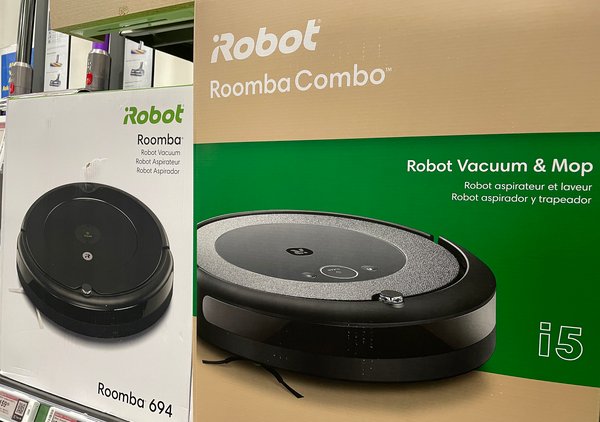
iRobot, the company best known for its innovative Roomba robot vacuums, has filed for bankruptcy, attributing its financial struggles to rising operational costs driven by tariffs. The company’s decision comes amid a challenging economic landscape, further complicated by recent trade policies enacted during the presidency of Donald Trump.
Founded in 2000, iRobot was once hailed as a leader in home robotics. However, the increasing costs associated with tariffs, particularly those imposed on imported components, have put significant financial pressure on the firm. On March 1, 2024, iRobot announced it had filed for Chapter 11 bankruptcy protection, a move intended to facilitate a restructuring process.
Financial Struggles Intensified by Tariffs
According to reports, tariffs imposed by the U.S. International Trade Commission on goods from China have contributed to an estimated $1.2 billion increase in costs for companies relying on imported materials. iRobot’s reliance on these imports made it particularly vulnerable to the steep tariffs, which were part of a broader trade strategy aimed at balancing trade deficits.
In its bankruptcy filing, iRobot reported liabilities exceeding $500 million. The company’s struggles have been compounded by supply chain disruptions and changing consumer preferences, which have forced it to rethink its pricing strategies and product offerings.
The impact of tariffs extends beyond iRobot, affecting various sectors reliant on international supply chains. Many companies have reported similar challenges, forcing them to either absorb costs or pass them onto consumers.
Future Prospects and Restructuring Plans
As part of its restructuring efforts, iRobot aims to streamline its operations and focus on core product lines. The company has expressed intentions to collaborate with stakeholders to evaluate potential solutions that could stabilize its financial position. While the future remains uncertain, iRobot’s leadership is optimistic that a restructured approach will allow it to adapt to the evolving market environment.
Despite the current challenges, iRobot has indicated its commitment to innovation in the robotics field. The company plans to leverage its strong brand recognition and customer loyalty as it navigates this transitional phase.
The filing has drawn attention to the ongoing implications of trade policies, particularly how they affect American businesses. As iRobot embarks on this restructuring journey, its experience serves as a case study for other companies grappling with the effects of tariffs and changing market dynamics.
Investors and industry observers will be closely monitoring iRobot’s progress in the coming months, as its ability to recover could influence the future of home robotics and consumer electronics sectors in the United States and beyond.