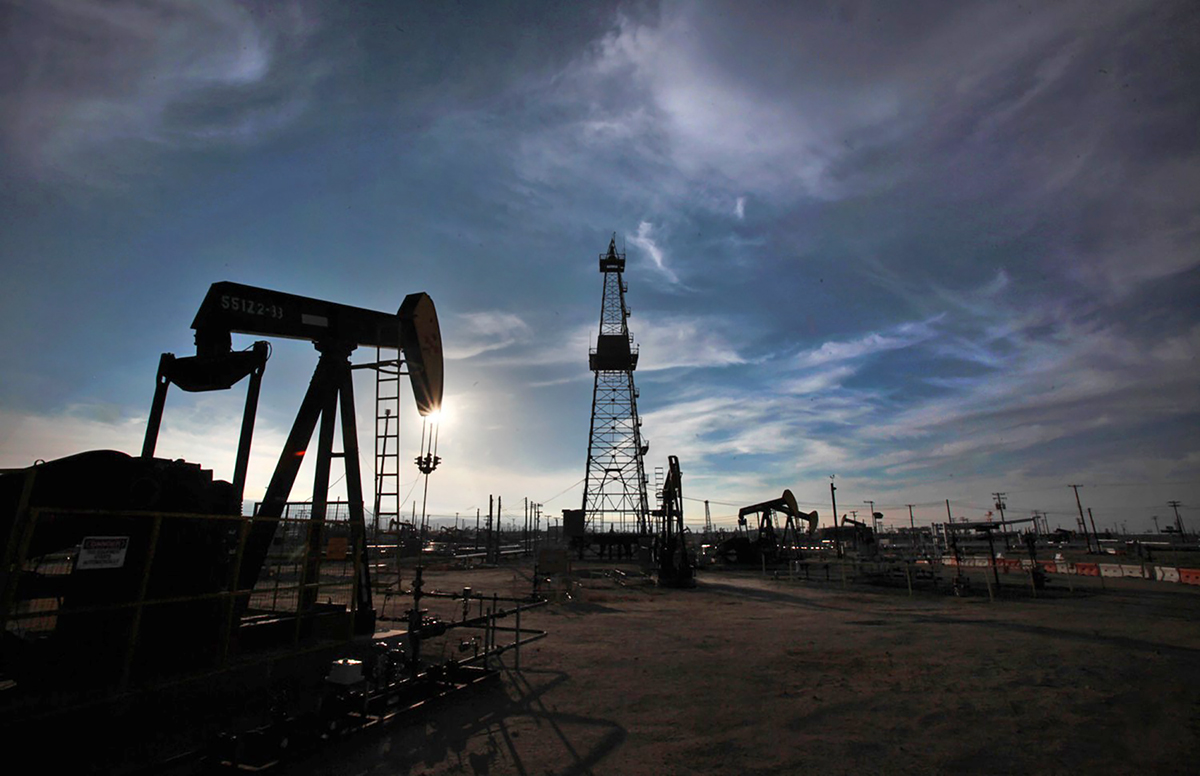
Democrats face a challenging political landscape as they seek to secure victories in key states like North Carolina and Texas. A recent analysis suggests that embracing the oil and gas industry could provide a strategic pathway towards achieving legislative goals while addressing climate concerns.
The Democratic Party’s historical stance on energy has significantly shifted over the years. In the lead-up to the 2012 presidential election, the party’s platform under Barack Obama advocated for an “all of the above” energy policy, promoting the use of America’s natural resources to bolster energy independence. This approach led to a notable decline in greenhouse gas emissions during his presidency.
However, by the time of the 2020 presidential election, the party’s narrative had changed dramatically. Joe Biden pledged to transition away from fossil fuels, declaring intentions to halt new oil and gas leasing. This shift has alienated voters in traditionally Democratic states, such as Pennsylvania and Ohio, which have historically depended on these industries for economic stability.
According to political analysts, Democrats need to reconsider their approach to oil and gas, especially in battleground states that currently have all-Republican Senate delegations. As Matthew Yglesias points out, a reconciliatory stance could align with broader goals of affordability, economic growth, and environmental stewardship.
Political and Economic Benefits of Oil and Gas
The oil and gas sector not only supports blue-collar jobs but also provides significant tax revenue. The economic implications are profound; by exporting oil rather than importing it, the United States can improve its trade balance, which ultimately lowers the cost of living for consumers. Additionally, as long as global reliance on oil persists, it is strategically beneficial for the U.S. to produce and export its resources rather than depend on imports from countries like Russia or Iran.
Environmental advocates in other energy-producing nations, including Canada and Australia, have successfully integrated natural resource management into their political frameworks without alienating their bases. These countries recognize the need to balance domestic production with environmental commitments. American oil production, which is generally less carbon-intensive than that of many other nations, can play a crucial role in global markets while addressing climate change.
The environmental case for supporting the oil and gas industry is compelling. As countries around the world continue to rely on fossil fuels, U.S. production can help displace more polluting sources. Natural gas, for instance, is a cleaner alternative to coal and has been a significant factor in reducing American emissions over time. Encouraging overseas reliance on U.S. gas exports instead of coal can lead to substantial climate benefits.
Renewables and the Future Energy Landscape
While the push for renewable energy is critical, it is essential to recognize the complementary relationship between gas and renewables in electricity generation. Natural gas offers dispatchable power, which can be ramped up quickly to meet demand, unlike intermittent sources like wind and solar. This characteristic makes it a valuable partner in the transition to a cleaner energy grid.
Electrification of transportation and heating is a vital step towards reducing emissions. However, relying solely on renewables without integrating gas could slow the pace of this transition. A balanced approach, incorporating both renewable and natural gas sources, is likely to accelerate the shift to a low-carbon future.
To navigate these complex dynamics, Democrats must position themselves as champions of responsible energy stewardship. This includes advocating for best practices within the oil and gas industry, promoting emissions regulations, and collaborating with climate-conscious regions such as the European Union to enhance the global energy landscape.
As the party contemplates its future, it must address the reality that many voters are hesitant to accept short-term economic sacrifices for long-term climate goals. Acknowledging the importance of fossil fuels in the current energy landscape does not negate the urgency of climate action but rather provides a pragmatic framework for achieving sustainable solutions.
In conclusion, a Democratic Party that embraces a nuanced view of the oil and gas sector can potentially secure electoral victories while advancing environmental goals. By learning from successful approaches in other countries and recognizing the economic realities at play, Democrats can forge a path that benefits both their political aspirations and the planet.