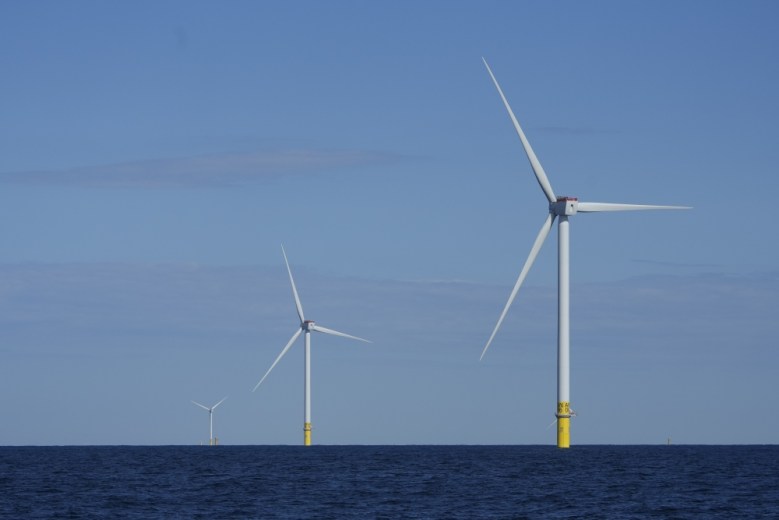
Maine has a pivotal opportunity to enhance its energy landscape with the proposed Aroostook Wind project, which has the potential to significantly increase the state’s wind power capacity. The project aims to generate an initial output of 1,200 megawatts, matching the contribution made by Hydro Quebec to the Massachusetts grid since January. This development comes as Maine seeks to meet its ambitious renewable energy goals, specifically achieving 100% carbon-neutral electricity by 2040.
Governor Paul LePage, who took office in 2011, initially showed ambivalence towards wind energy projects initiated under the administration of his predecessor, John Baldacci. Baldacci’s 2003 legislation aimed to establish a robust wind energy sector in Maine, yet LePage’s opposition halted further turbine approvals. As a result, Maine has only managed to install 923 megawatts of wind capacity, falling short of the 3,000-megawatt target set by Baldacci. Consequently, developers shifted their focus to the Great Plains, where major installations have emerged.
Despite setbacks, wind energy now constitutes approximately a quarter of Maine’s electricity production. The Aroostook Wind project represents a significant step forward, particularly as turbine technology has evolved. Modern turbines are larger, more efficient, and capable of harnessing energy from lighter winds, making them ideal for the region. Aroostook, with its strong nighttime winds, presents an advantageous site for this kind of development.
All New England states, with the exception of New Hampshire, have renewable energy mandates, and Maine’s is notably the most ambitious. The Aroostook Wind project is positioned as one of the most cost-effective solutions to meet these requirements, estimated to cost about one-third of recent projections for offshore wind initiatives. However, current plans by the Maine Public Utilities Commission (PUC) suggest that much of the electricity generated may benefit other states, notably Massachusetts and Connecticut, which have nearly ten times the population of Maine.
Former State Planning Director Richard Silkman has criticized the PUC’s approach, labeling it as “regulatory malpractice.” The commission’s decision to share Aroostook Wind’s output with other states under the same pricing terms means that Maine risks losing out on substantial local benefits. This situation echoes past controversies, such as the near-failure of the New England Clean Energy Connect (NECEC) project, where a referendum saw 60% of voters rejecting it, despite Maine being slated to gain approximately $500 million in benefits.
The potential for public backlash is significant if residents learn that the majority of Aroostook Wind’s energy will be exported without substantial returns for Maine. From an economic perspective, maintaining control over this project could allow Maine to prioritize its own energy needs and capitalize on market pricing for any surplus.
Maine may not be universally recognized as “the Saudi Arabia of wind,” as Senator Angus King once described it, but it certainly has the potential to make a substantial contribution to clean energy in New England. Establishing a turbine fabrication operation within the state, similar to past proposals for Sears Island, could further position Maine favorably as offshore wind projects in the Gulf of Maine develop.
While all advanced energy projects come with complexities, the fundamental need for Maine to retain a significant portion of Aroostook Wind’s output is clear. To achieve this, a reevaluation of the state’s planning and project execution processes is essential, particularly regarding the role of the PUC. The commission should focus on its regulatory responsibilities rather than attempting to dictate the future of Maine’s energy landscape.
In the coming weeks, further exploration will occur regarding how Maine can establish a framework to gain control over its energy resources and maximize the benefits of the Aroostook Wind project. The dialogue surrounding this opportunity will be crucial in shaping the state’s energy future.