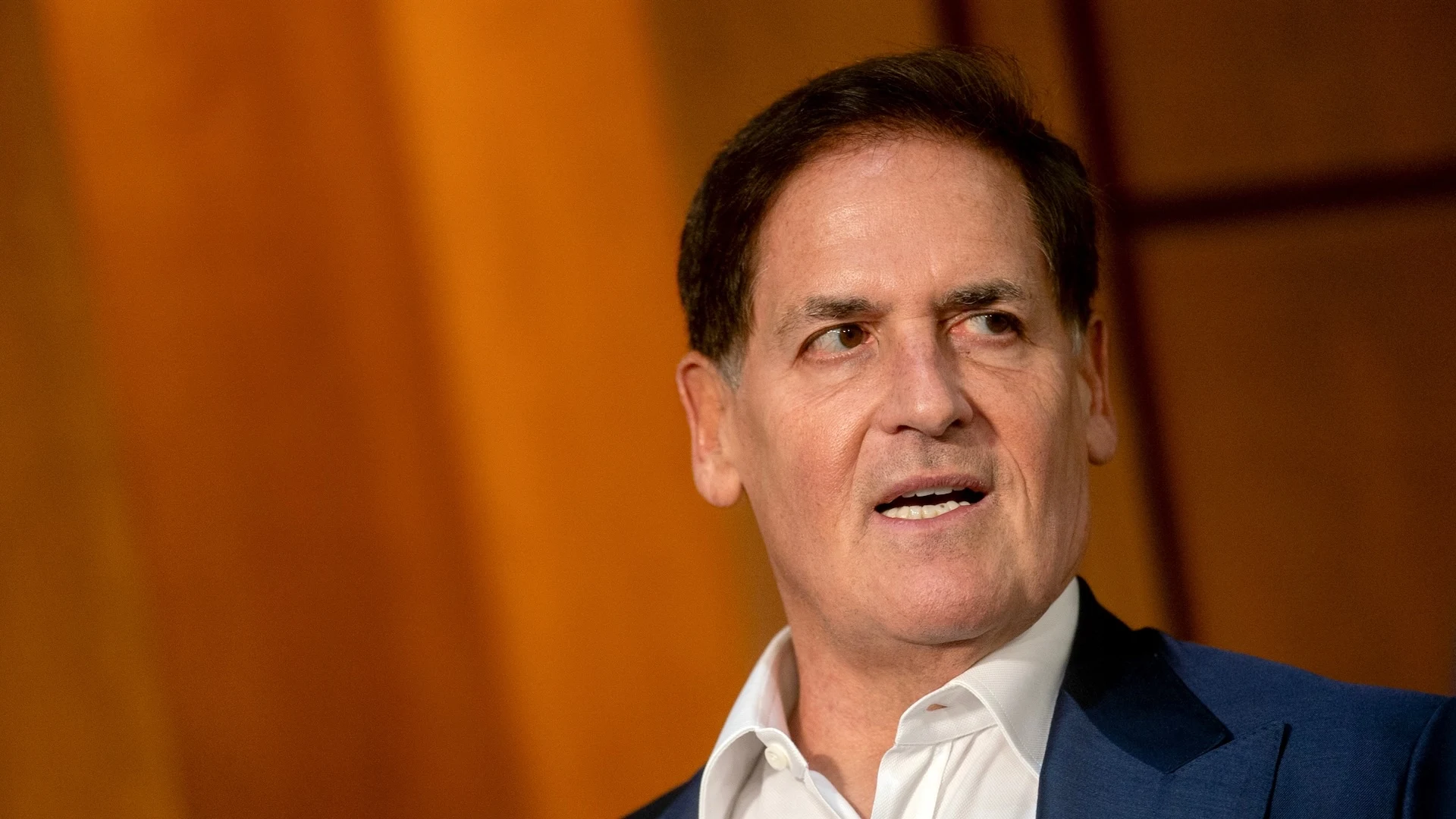
Mark Cuban has called for reforms in the pharmaceutical industry to lower drug prices, emphasizing the need to dismantle large insurance companies that prioritize profit over consumer accessibility. His remarks came during a panel discussion with U.S. Medicare Director Chris Klomp at the Silicon Slopes Summit in Salt Lake City on October 6, 2023. This dialogue was particularly relevant as it followed the launch of TrumpRX, a new low-cost prescription drug website introduced by former President Donald Trump.
TrumpRX aims to provide lower prices on 43 brand-name medications, claiming that its prices are more competitive than sites like GoodRX. Notably, 40 of these drugs are priced lower than their counterparts on GoodRX. However, TrumpRX does not offer generic medications and requires cash-only transactions, excluding purchases through insurance programs. While more drugs are expected to be added to the platform, it currently offers far fewer options than Cuban’s Cost Plus Drugs, which provides around 6,000 medications, primarily generics, at significantly reduced prices. For instance, while brand-name drugs may cost between $200 and $1,000, generics on Cost Plus Drugs are priced between $6 and $12.
Cuban expressed support for TrumpRX but highlighted the cost advantages of his own company. “I’m a supporter of TrumpRX, but they reduce brand prices by 500 percent or 1,000 percent, while ‘CubanRx’ reduces prices by 1,500 percent,” he quipped, referencing Trump’s tendency to exaggerate price reductions. Cuban further claimed in a post on social media that his platform is cheaper for 90% of the drugs both companies offer. He acknowledged TrumpRX’s success in reducing prices for in vitro fertilization (IVF) drugs, noting that this could significantly benefit many couples.
During the panel, Klomp shared a personal story about his mother, who passed away from cancer when he was young, underscoring the importance of affordable healthcare. “This is personal,” he stated, highlighting that 65 percent of Americans live with chronic diseases, and 75 percent are overweight. He emphasized that the nation is experiencing a health crisis, making the need for legislative change urgent.
Cuban proposed several actions to ensure lower drug prices, including breaking up pharmaceutical companies that control pricing, mandating that manufacturers sell drugs at net prices to wholesalers, and establishing Medicare rates. He believes consumers should not have to rely on a slow-moving Congress for change.
In closing, both Cuban and Klomp encouraged individuals to engage in activities that contribute positively to society. Klomp remarked, “Don’t waste your time on things that don’t make the world better,” advocating for efforts aimed at alleviating human suffering.
As the conversation around drug prices and healthcare continues, the implications of initiatives like Cost Plus Drugs and TrumpRX will likely shape the future of pharmaceutical pricing and accessibility in the United States.