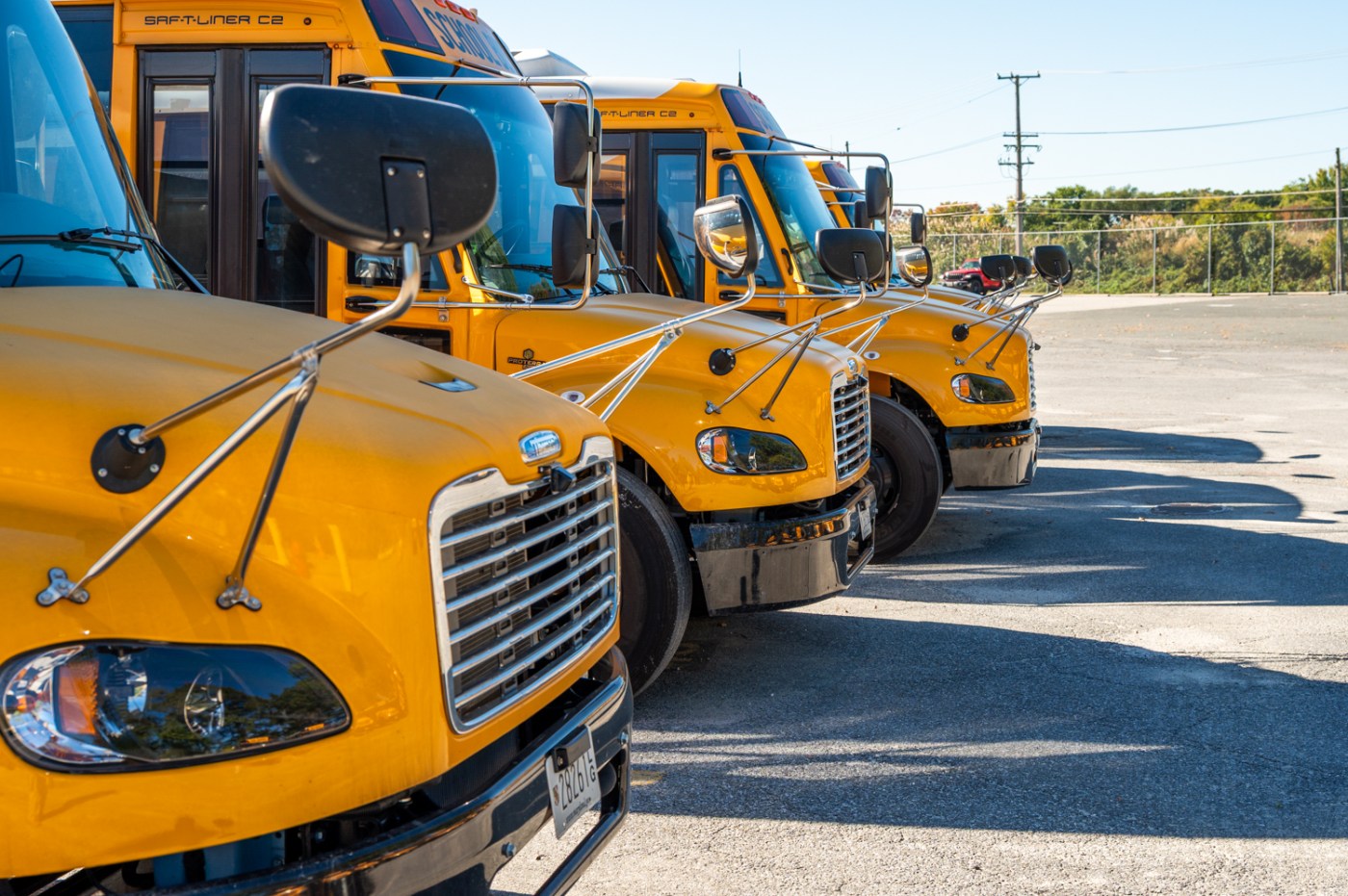
Maryland is advancing its commitment to electric school buses, with significant state and federal funding supporting the rollout of hundreds of vehicles across various school districts. Advocates highlight the potential for cleaner, healthier transportation for students, but the initiative is not without its hurdles. Key challenges include limited charging infrastructure, mechanical failures, and high acquisition costs, which can reach as much as $400,000 per bus.
Federal tax credits for electric school buses, implemented during President Joe Biden’s administration, are set to phase out more rapidly following the recent passage of President Donald Trump’s One Big Beautiful Bill Act. The administration has labeled clean energy initiatives as a “Green New Scam,” expressing a preference for more traditional energy sources like nuclear and fossil fuels. In August, the Federal Transit Administration (FTA) reported incidents of battery fires in decommissioned electric buses, raising safety concerns. FTA Administrator Marc Molinaro noted, “This is not the first green deal initiative to backfire with serious long-term ramifications.”
Despite these issues, proponents of electric buses emphasize the detrimental effects of diesel emissions on children’s health. Sue Gander, director of the Electric School Bus Initiative at the World Resources Institute, cited research linking diesel emissions to respiratory diseases such as asthma, which is a leading cause of student absenteeism. She pointed out that greenhouse gas emissions from electric buses are half those of diesel or propane alternatives, underscoring the health benefits for children with developing lungs.
Several Maryland counties are moving forward with electric bus initiatives, but logistical and financial concerns remain prominent. Natalie Buscemi, transportation program manager at the Maryland Energy Administration, highlighted that the upfront costs for electric buses are significantly higher than their gasoline or diesel counterparts. While electric buses are priced between $330,000 and $400,000, traditional buses cost between $105,000 and $215,000. Nonetheless, Gander noted that the long-term savings on maintenance and fuel can average around $100,000 over the bus’s lifetime.
The Maryland Energy Administration has allocated $12 million in grants for the upcoming fiscal year to support the purchase of 53 school buses, with an additional $17 million available this year. The program not only covers bus purchases but also provides funding for charging stations and technician training, prioritizing applications from low- to moderate-income communities.
In Baltimore County, the school district is leasing five electric buses over a twelve-year period at a total cost of $400,000 each, which includes the vehicle, charging infrastructure, electricity, and maintenance services. The county has also secured a grant from the U.S. Environmental Protection Agency to help fund an additional 25 electric buses.
Prince George’s County aims to electrify its entire fleet of buses by 2040. As part of its climate change action plan, the county has received a $2.4 million grant from the Maryland Energy Administration to facilitate the acquisition of up to eight more electric buses, increasing its total to 20.
Despite the ongoing efforts, some Maryland school districts have faced operational challenges with their electric buses. Montgomery County, which operates the largest fleet in the state with 285 buses, reported mechanical and charging infrastructure issues that caused over 280 route cancellations from February 2022 to March 2024. An inspector general’s report indicated that repairs were not completed within five days in many instances, leading to significant delays.
Montgomery County Public Schools (MCPS) spokesperson Liliana Lopez stated, “Current electric bus technology is not fully capable of meeting all of our transportation demands, particularly for longer routes.” She added that the school system remains committed to its climate goals, including transitioning to a fully electric fleet over time.
In Baltimore County, school system spokesperson Gboyinde Onijala acknowledged the learning curves associated with integrating new technology but noted that the mechanical issues observed are within expected parameters for a new fleet deployment. Meanwhile, in Howard County, two electric buses have been taken out of service due to performance issues, prompting the school system to seek alternative funding for future electric bus acquisitions.
Electric buses face additional challenges in colder weather, with a recent study by Cornell researchers showing energy consumption can increase by 48% in low temperatures. Buscemi mentioned that fleet managers are adapting by utilizing shorter routes in winter. Gander highlighted that states with harsher climates than Maryland have successfully implemented electric buses.
Maryland continues to be a leader in the transition to electric school buses, a movement supported by various stakeholders who advocate for cleaner transportation solutions. As the state navigates the complexities of this initiative, it remains to be seen how these challenges will influence the broader rollout of electric school buses across the nation.