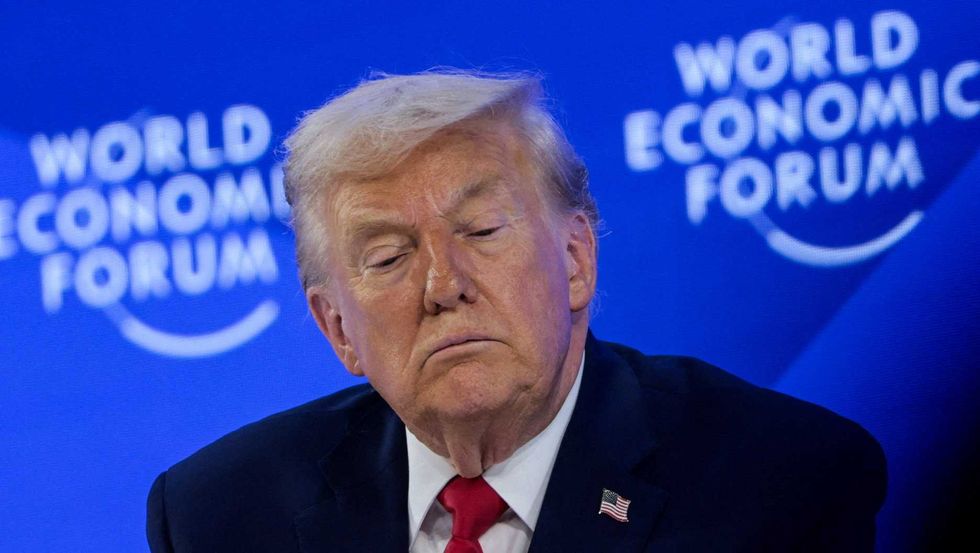
Nobel Prize-winning economist Paul Krugman has criticized former President Donald Trump following his contentious appearance at the Davos Economic Forum in January 2024. According to Krugman, Trump’s speech failed to project the strength and authority he sought, ultimately portraying him as weakened and humiliated.
During his address at Davos, Trump attempted to intimidate European leaders with a series of insults and threats regarding tariffs. However, Krugman noted that these efforts backfired as European representatives responded with unity and defiance. Instead of the concessions he aimed to extract, Trump was met with open mockery from his counterparts, which undermined his position significantly.
Trump’s Retreat from Tariff Threats
Krugman elaborated on this dynamic in a piece on Substack, stating that Trump’s initial strategy was to demean U.S. allies. Yet, as the speech progressed, it became evident that his posture was ineffective. The former president ultimately retreated from his aggressive tariff threats, opting instead for a vague “framework” that lacked substance.
European leaders, instead of yielding to Trump’s bullying tactics, showcased their resilience by preparing retaliatory measures. This unified front not only demonstrated their resolve but also highlighted a crucial point: standing firm against aggression is often more productive than capitulation.
The Limits of Strongman Tactics
In his analysis, Krugman emphasized that this episode revealed the limitations of Trump’s strongman approach. He argued that the response from European leaders illustrated that collaboration and solidarity could counteract attempts at intimidation. The incident serves as a reminder that effective diplomacy often requires more than just threats; it involves building alliances based on mutual respect and understanding.
As global leaders reflect on the implications of Trump’s Davos address, Krugman’s insights underscore a significant shift in the international political landscape. The willingness of European leaders to reject Trump’s overtures may signal a broader trend toward greater cooperation among nations in the face of unilateral pressure.
Krugman’s commentary resonates with those observing the interplay between U.S. leadership and its allies, suggesting that effective governance on the world stage may hinge on the ability to foster partnerships rather than alienate allies.