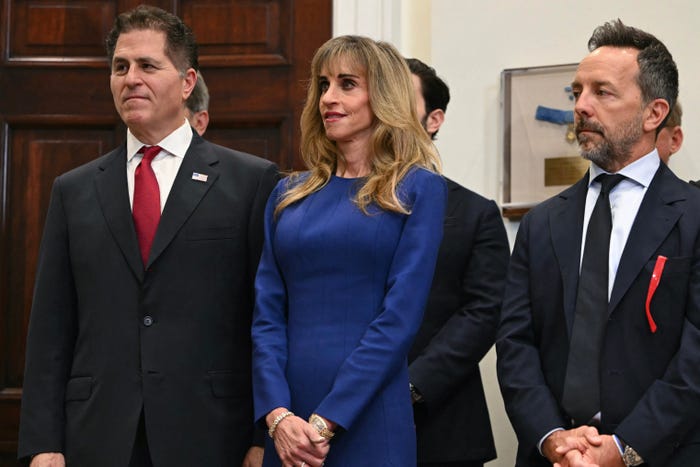
The philanthropic landscape may be on the verge of a significant transformation, following a landmark donation from Michael and Susan Dell. The couple has pledged a total of $6.25 billion through their charitable foundation to invest $250 into the accounts of 25 million American children. This initiative is part of the federal program known as “Trump Accounts,” which aims to provide financial support for eligible newborns.
Brad Gerstner, CEO of Altimeter Capital and a key figure behind the initiative, revealed to Business Insider that both he and Michael Dell were inundated with calls from other business leaders expressing interest after the announcement. The Dells’ commitment is expected to catalyze a “steady drumbeat” of additional donations from philanthropists and corporations alike.
Details of the Donation and Future Initiatives
The Dells’ donation is designed to benefit children born between 2016 and 2025, particularly those living in areas with a median household income of $150,000 or less. Parents will need to establish a Trump Account to automatically receive the funds from the Michael & Susan Dell Foundation. Gerstner highlighted the importance of direct giving as a cornerstone of the program’s mission.
The Trump Accounts initiative, set to launch on July 4, 2026, will provide a one-time federal grant of $1,000 to U.S. citizens born between 2025 and 2028. Additionally, families can contribute up to $5,000 tax-free each year to these accounts. Gerstner envisions that the accounts could operate similarly to 401(k) plans, potentially allowing companies to match donations, enhancing the overall impact.
Broader Impact and Corporate Participation
The initiative has already garnered the support of prominent business leaders as part of the Invest America CEO Council. Notable figures, including David Solomon, CEO of Goldman Sachs, and Jensen Huang, CEO of Nvidia, have pledged to contribute to the accounts of their employees’ children, reflecting a broader trend of corporate philanthropy.
Gerstner noted that he had been discussing the concept of the accounts with the Dells and other stakeholders for several years. He believes that the entrepreneurial spirit of the current administration has played a significant role in the initiative’s development, contrasting it with the more traditional approach of the previous administration.
“This is the first time that the whole idea officially entered the American zeitgeist,” Gerstner stated. His optimism about the program’s future is evident, and he anticipates further announcements from various philanthropic sources in the coming months.
As the Dells’ donation sets the stage for a new wave of corporate and philanthropic engagement, the potential for meaningful change in the financial futures of millions of children appears increasingly attainable.