Domain registrars play a crucial role in managing digital assets, yet not all of them are trustworthy. Many domain owners fall victim to scams orchestrated by unscrupulous resellers who employ deceptive tactics. Understanding how to identify these dishonest registrars and protect your domain is essential for maintaining a secure online presence.
The Risks of Choosing an Unreliable Registrar
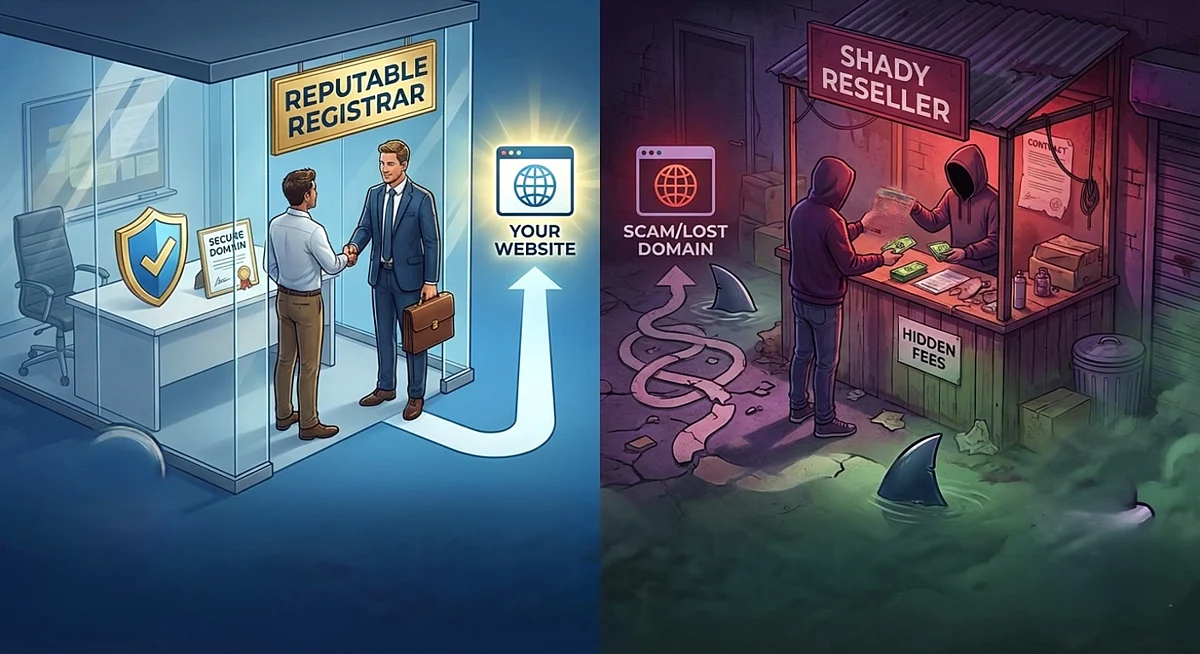
A domain name is the cornerstone of your online identity, serving as the primary way customers locate and trust your business. Unfortunately, thousands of individuals lose their domains each year, not due to hacking or competition, but at the hands of fraudulent registrars and resellers. These dishonest entities often lure customers with attractive promotions on top-level domains (TLDs) while hiding their true intentions behind misleading marketing.
According to ICANN’s Contractual Compliance reports, the organization receives thousands of complaints related to registrar practices each month. Many of these complaints highlight issues such as unauthorized transfers and hidden fees. To avoid falling victim to these scams, it is vital to choose a reputable registrar that prioritizes transparency and security.
How to Evaluate Registrar Credibility
When selecting a registrar, it is imperative to conduct thorough research. Here are key aspects to consider:
1. **Accreditation Check**: Confirm that the registrar has official ICANN accreditation. This ensures that the company adheres to global standards and provides a level of accountability. Users can verify accreditation status using the ICANN lookup tool.
2. **Reputation**: Investigate the registrar’s track record by examining reviews on trusted platforms such as Trustpilot and G2. A history of complaints regarding billing practices or hidden fees can be a significant red flag.
3. **Pricing Transparency**: Scrutinize the registrar’s pricing structure, including first-year, renewal, and transfer costs. Reputable registrars disclose all fees upfront, allowing customers to avoid unpleasant surprises.
4. **Security Measures**: A reliable registrar implements robust security features such as two-factor authentication (2FA) and DNSSEC support. These measures are essential for protecting against unauthorized transfers and account hijacking.
5. **Customer Support**: Evaluate the registrar’s customer service responsiveness before making a commitment. A quick and informative response to inquiries indicates a higher level of support that will be crucial during disputes or renewal issues.
Utilizing a trusted reseller hosting platform like Verpex can further enhance your domain management. By ensuring that domains are registered under ICANN-accredited providers, Verpex offers transparent pricing and built-in security features, safeguarding your digital assets.
Recognizing Common Scams
Fraudulent registrars often employ tactics that initially appear legitimate. Common warning signs include:
– **Lack of Accreditation**: Legitimate resellers should clearly identify their partnership with an ICANN-accredited registrar.
– **Unclear Ownership**: Be wary of registrars that conceal business registration or contact information.
– **Transfer Barriers**: Some dishonest operators create unnecessary hurdles for domain transfers, making it difficult to regain control.
– **Misleading Pricing**: Unrealistically low prices can indicate fraud, especially if renewal fees are steep or buried in fine print.
– **Aggressive Upselling**: Deceptive providers may pressure customers into purchasing unnecessary add-ons.
To maintain control over your domains, establishing best practices for registrar management is essential. Regular audits, secure account access, and prompt responses to suspicious activity can mitigate risks.
When encountering potential scams or dishonest practices, acting swiftly is crucial. Here are steps to take:
1. **Pause and Assess**: Avoid rash decisions in response to pressure tactics. Take time to verify the legitimacy of any claims or requests.
2. **Confirm Legitimacy**: Use WHOIS or RDAP records to verify your domain’s registered provider. If the details do not match, assume the communication is fraudulent.
3. **Contact Official Support**: Reach out directly through your registrar’s verified website, avoiding links in suspicious emails.
4. **Gather Evidence**: Document all communications related to suspicious activity. This evidence can be crucial in resolving disputes.
5. **Report and Secure**: If fraudulent activity is confirmed, file a complaint with ICANN or your local consumer protection agency. Immediate action can help protect your assets and prevent further damage.
Maintaining a secure online presence requires diligence and awareness. By choosing reputable registrars, activating automatic renewals, and implementing layered security measures, domain owners can protect their digital assets effectively. A secure registrar is more than just a service provider; it is a partner in safeguarding your online identity.
In conclusion, prioritizing registrar reputation and adopting best practices for domain management is key to ensuring long-term control and security over your digital assets. For those seeking a reliable provider, Verpex Reseller Hosting offers comprehensive services, including ICANN-accredited registration, free SSL management, and 24/7 expert support, all designed to foster trust and transparency in domain management.