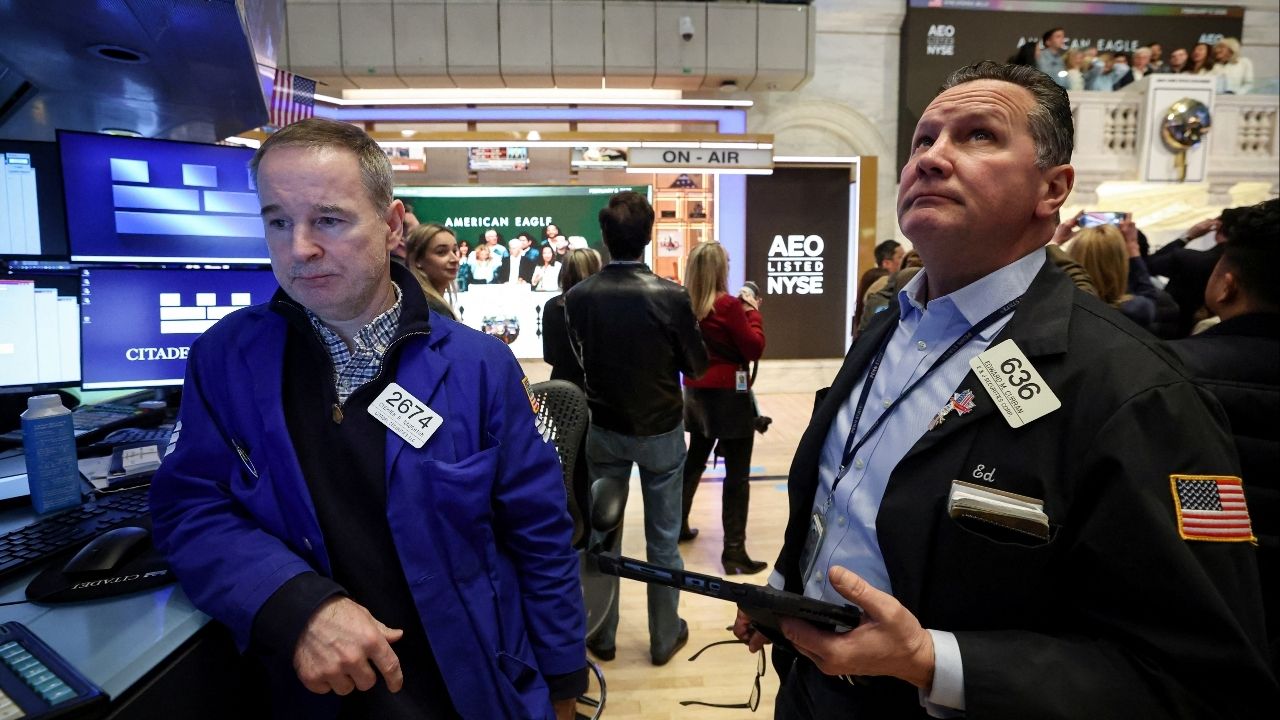
The S&P 500 and Nasdaq experienced a downturn on February 8, 2024, as the rally in technology stocks faltered. This decline came despite Nvidia‘s announcement of better-than-expected quarterly results, which failed to instill confidence among investors. Nvidia’s shares fell by 3.6%, raising concerns over the sustainability of the AI sector’s growth.
Investors reacted cautiously to Nvidia’s latest financial report, which included a revenue forecast for the current quarter that surpassed market expectations. “Investors have been wary of the AI trade and its implications as we look out over the next couple of years,” said Jeff Schulze, head of economic and market strategy at ClearBridge Investments. Despite Nvidia’s strong performance, the results did not persuade investors to increase their stakes in the company.
Market Performance and Sector Trends
The Philadelphia SE Semiconductor Index dropped by 3% after reaching a record high just the previous session. Major technology stocks, including Alphabet, saw declines, with the latter down 2.2%. In contrast, the S&P 500 software and services index recorded a gain of 2%, boosted by a 3% rise in Salesforce, even as the company provided a revenue forecast for fiscal 2027 that fell short of Wall Street expectations.
Earlier in the year, various sectors such as software, financial brokerage, data analytics, and real estate services faced significant losses due to growing fears surrounding AI disruption.
At 10:11 a.m. ET, the Dow Jones Industrial Average had risen by 121.68 points, or 0.25%, reaching 49,603.83. Meanwhile, the S&P 500 fell by 25.72 points, or 0.37%, settling at 6,920.41, and the Nasdaq Composite decreased by 201.10 points, or 0.87%, to 22,950.98. The information technology and communication services indices were the biggest decliners among the 11 major S&P sectors.
While financials gained 1.4%, helping to offset some losses, major banks such as JPMorgan Chase, Bank of America, and Wells Fargo each saw their shares rise nearly 1%.
Global Factors and Stock Movements
Investors continued to keep an eye on diplomatic efforts, with U.S.-Iran talks taking place in Geneva aimed at resolving ongoing nuclear disputes and preventing potential U.S. military actions.
In the commodities market, crude oil prices fell by about 1%, contributing to a 0.1% decline in the energy stocks index. February has been marked by volatility in U.S. equities, with major indices fluctuating between gains and losses as investor sentiment towards AI and technology stocks remains uncertain.
Notable stock movements included a 6% drop for Trade Desk, which issued a first-quarter revenue forecast below expectations amidst competitive pressures. Conversely, J.M. Smucker surged by 6.6% after beating third-quarter profit and sales estimates, while announcing the appointment of two new directors following engagement with investor Elliott Investment Management.
Another significant movement was seen in C3.ai, which dropped 16.7% after forecasting current-quarter sales below estimates and announcing a workforce reduction of 26%. On a positive note, Celsius Holding experienced a 14.3% increase following a fourth-quarter revenue report that exceeded expectations.
Overall, advancing issues outnumbered decliners by a ratio of 1.17-to-1 on the New York Stock Exchange and 1.03-to-1 on the Nasdaq. The S&P 500 recorded 26 new 52-week highs and one new low, while the Nasdaq Composite noted 54 new highs and 55 new lows.
This mixed performance reflects the ongoing complexities in the technology sector and the broader market landscape as investors navigate through uncertain economic conditions.