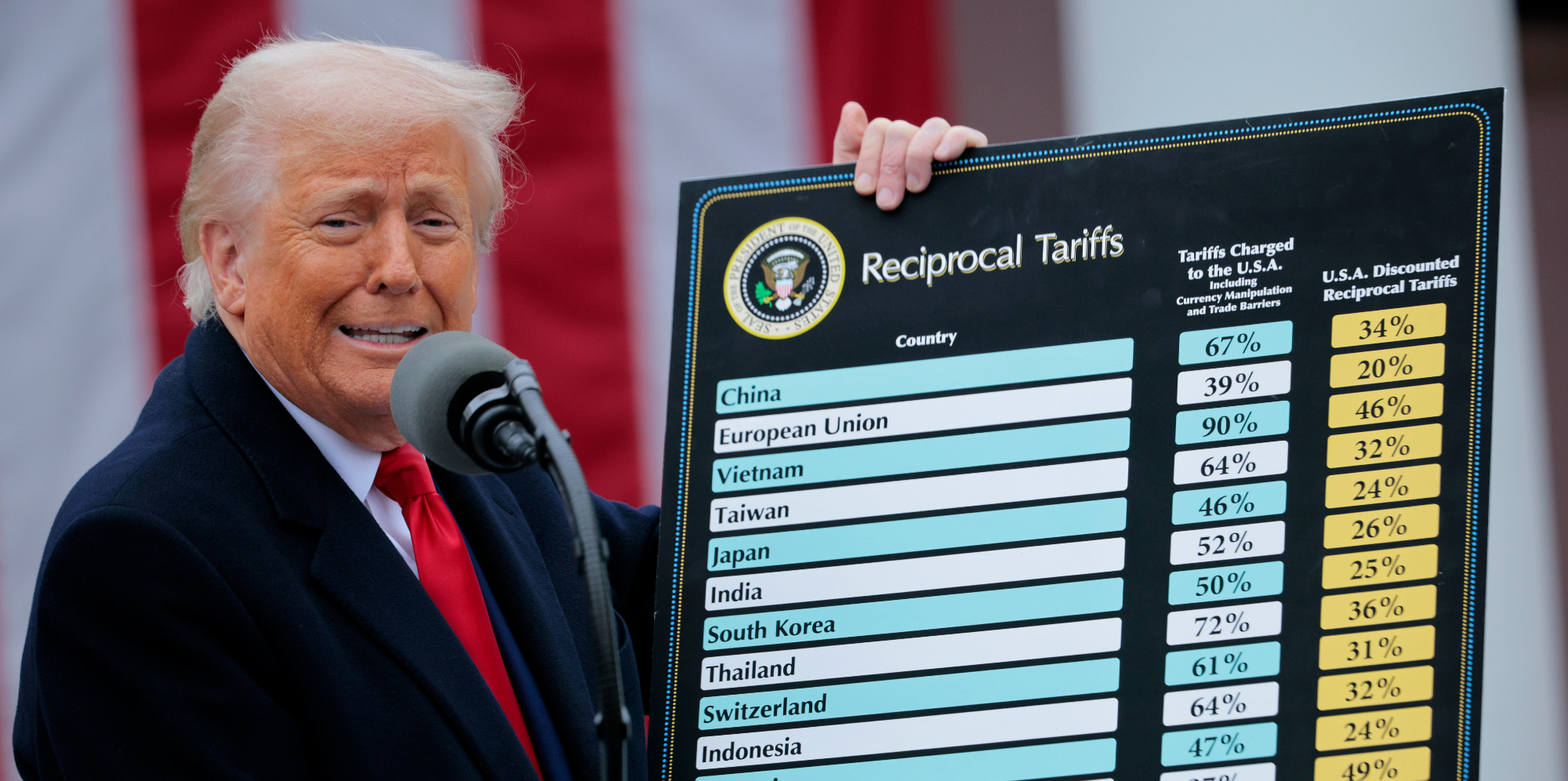
On March 15, 2024, the U.S. Supreme Court declared that the tariffs imposed by former President Donald Trump were illegal, citing a lack of authority under the International Emergency Economic Powers Act (IEEPA). This ruling not only invalidates the tariffs but also raises critical questions regarding existing reciprocal tariff agreements and the process for potential refunds to affected importers.
Matt Priest, president and chief executive officer of the Footwear Distributors and Retailers of America (FDRA), emphasized the significance of the ruling. He stated, “Today’s Supreme Court decision marks an important step toward creating a more predictable and competitive environment for American businesses and consumers.” The removal of these tariffs, he noted, enables the footwear industry to redirect billions of dollars toward innovation, job creation, and enhancing affordability for families across the nation.
Priest highlighted that the ruling provides relief during a time of significant cost pressures. He indicated that it opens avenues for collaboration between industry leaders and policymakers to shape trade policies that reflect the realities of today’s global marketplace. The FDRA intends to work closely with the Trump Administration and Congress to build on this progress and develop a framework beneficial to consumers, retailers, and manufacturers alike.
Echoing this sentiment, David French, executive vice president of government relations for the National Retail Federation (NRF), remarked that the Supreme Court’s ruling brings much-needed certainty to U.S. businesses and manufacturers. “Clear and consistent trade policy is essential for economic growth, creating jobs and opportunities for American families,” he stated, urging lower courts to facilitate a seamless refund process for U.S. importers. According to French, these refunds will provide an economic boost, allowing companies to reinvest in their operations, employees, and customers.
The president and chief executive officer of the Retail Industry Leaders Association (RILA), Brian Dodge, noted that the Supreme Court’s decision opens the door for more extensive engagement between the Administration and industry stakeholders on trade policy. He acknowledged the necessity of creating stability and predictability that American retailers and consumers require, while still supporting the Administration’s goals of economic growth and national security.
In a related development, the We Pay the Tariffs coalition, comprising over 800 small businesses, has initiated a national sign-on letter urging the Trump Administration and Congress to expedite “full, fast and automatic” tariff refunds. Dan Anthony, the coalition’s executive director, described the Supreme Court decision as a “tremendous victory for America’s small businesses” that have suffered under the weight of these tariffs. He pointed out that many small businesses have had to take out loans to remain operational, freeze hiring, and cancel expansion plans due to tariff-related financial burdens.
Anthony further expressed concern that the Administration might attempt to reimpose similar tariff policies through alternative means in response to this ruling. The coalition continues to advocate for swift action to alleviate the financial strain on small business owners who have been adversely affected by the tariffs.
As the fallout from the Supreme Court’s decision unfolds, various stakeholders in the footwear and retail sectors are closely monitoring potential changes in trade policy and the economic landscape. The court’s ruling not only impacts the immediate financial realities of these industries but also sets a precedent for future tariff regulations and international trade relations.