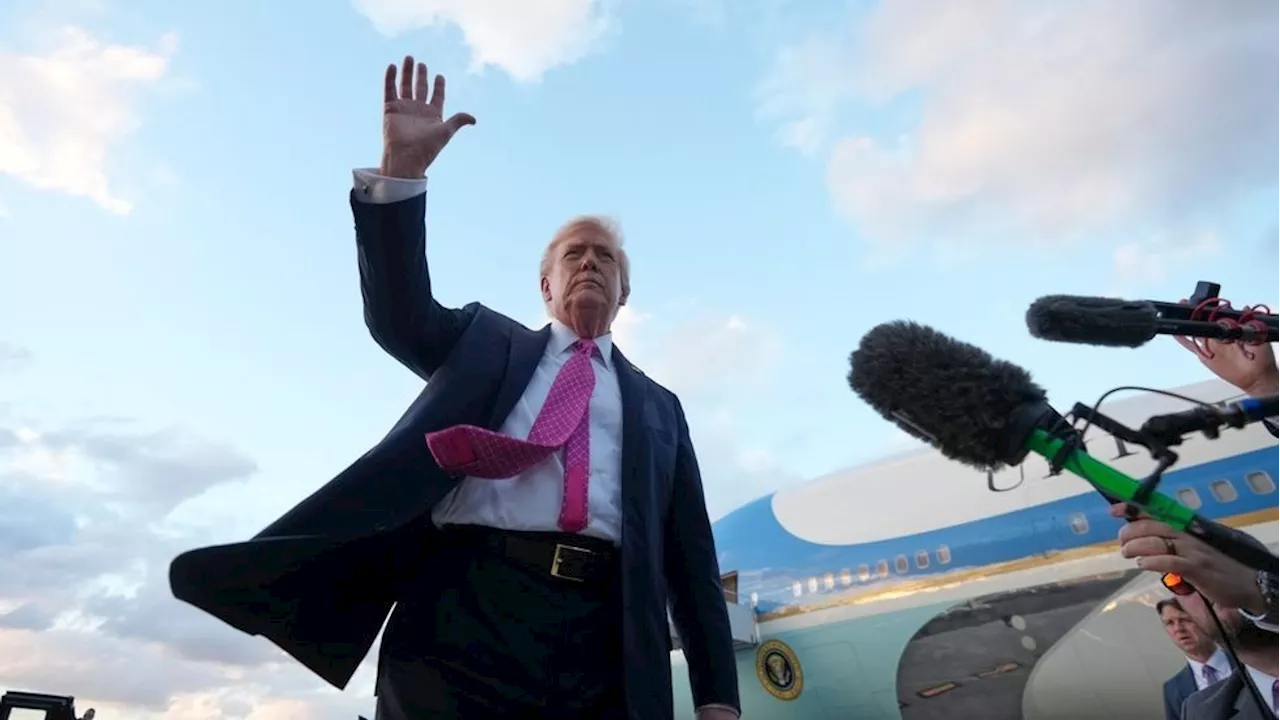
The Trump administration has announced plans to implement new tariffs on Colombia, escalating tensions between the two nations. This decision comes as the administration faces legal challenges regarding its authority to impose broad tariffs. The impending Supreme Court hearing in early November 2023 may significantly impact these trade policies.
Trade relations between the United States and Colombia are increasingly strained. President Donald Trump has accused Colombia of failing to effectively combat drug trafficking, a claim that has drawn sharp criticism from Colombian officials. This latest tariff threat follows a pattern of shifting trade policies initiated by the administration, which has seen adjustments since April 2023, reflecting both domestic economic pressures and international responses.
In a recent announcement, the White House exempted several products from existing tariffs, including specific lumber and metal items. Officials indicated that these goods are considered “largely unavailable natural resources” essential for U.S. manufacturing. This selective exemption illustrates the complex relationship between trade policy and resource needs, as businesses navigate the implications of these changes.
The administration continues to utilize trade laws, particularly Section 232, to expand tariffs on various imports. Recently, new tariffs were imposed on imported trucks, truck parts, and buses. While companies have largely absorbed these costs thus far, concerns are mounting about the sustainability of this approach. Economic analysts are closely monitoring the situation, as there is potential for increased prices for consumers if businesses pass on tariff costs.
As the Trump administration prepares for its Supreme Court hearing, it will defend its authority to implement these global tariffs. A ruling against the administration could lead to the removal of around 70% of the tariffs currently in place. This scenario would also necessitate the U.S. to refund approximately $165 billion in tariff revenue, raising significant questions about the economic repercussions.
The upcoming Supreme Court decision will not only influence domestic trade policy but also shape international relations. The complexities surrounding these tariffs highlight the intersection of legal authority, economic strategy, and political rhetoric in the current landscape of U.S. trade. As the situation evolves, businesses, consumers, and foreign governments are left to navigate the uncertainties of these ongoing developments.