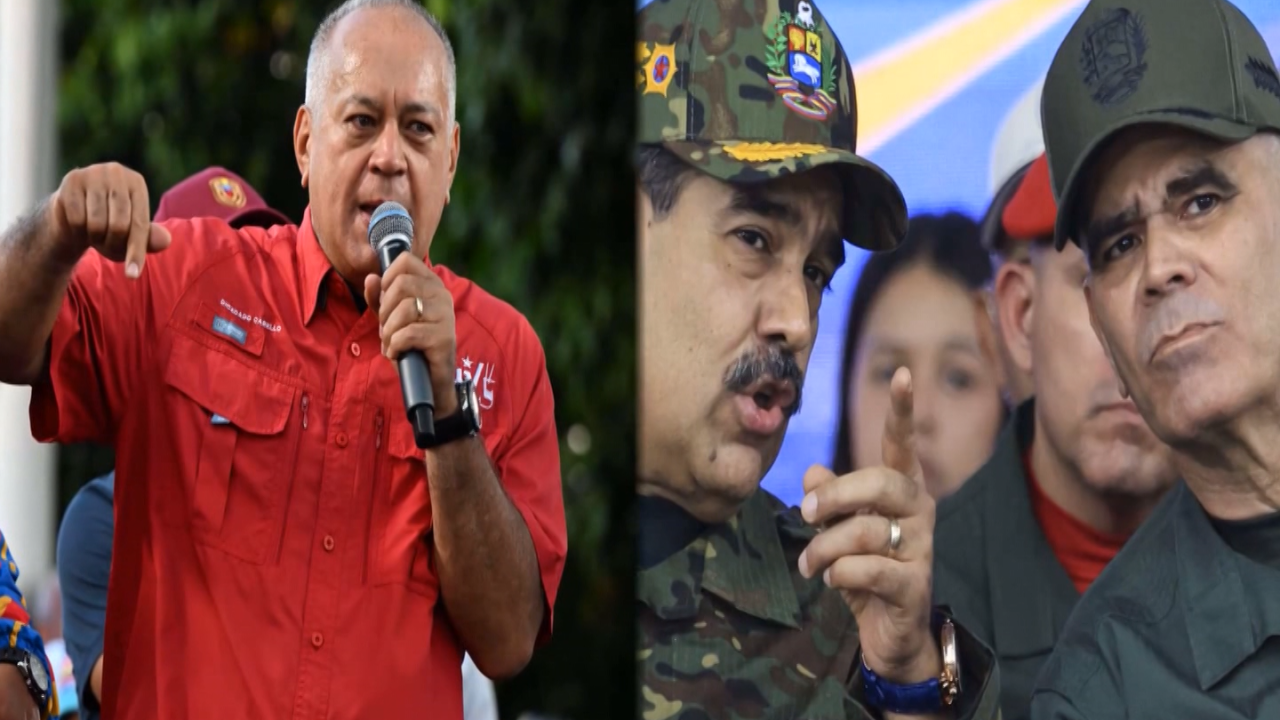
Venezuela has faced significant turmoil over the past quarter-century, primarily under the leadership of two key figures: Hugo Chavez and Nicolas Maduro. Since Maduro assumed power in 2013, the country has experienced a staggering economic decline, losing 72 percent of its economy. This dramatic downturn has led to widespread hardship and is now influencing discussions about Maduro’s potential ouster.
The roots of Venezuela’s crisis can be traced back to Chavez’s presidency, which began in 1998. Chavez implemented a series of socialist policies that aimed to redistribute wealth and reduce poverty. While initially, these policies led to some improvements in social indicators, they also created an overreliance on oil revenues. As global oil prices fluctuated, the economy remained vulnerable, ultimately paving the way for the challenges that Maduro would inherit.
Under Maduro, Venezuela’s situation worsened significantly. The country has been beset by hyperinflation, food shortages, and a collapse of basic services. According to CNN correspondent Rafael Romo, the economic policies enacted during Maduro’s tenure have failed to stabilize the country. Instead, they have deepened the crisis, leading to a humanitarian disaster that has driven millions to flee.
The decline of Venezuela’s economy has been marked by the fall of gross domestic product (GDP) and soaring inflation rates. By 2023, inflation reached levels that rendered the national currency nearly worthless, forcing citizens to turn to foreign currencies for everyday transactions. This economic instability has prompted international condemnation and calls for political change.
Opposition parties have gained momentum, leveraging public discontent to challenge Maduro’s authority. Protests have erupted across the country, with citizens demanding basic necessities and political reform. The government’s response has often been heavy-handed, leading to clashes between security forces and demonstrators.
In light of the ongoing crisis, discussions about Maduro’s potential ousting are intensifying. Some analysts suggest that a shift in leadership may be necessary to restore stability and rebuild the economy. However, the path to a peaceful transition remains fraught with challenges, as Maduro’s government maintains tight control over political processes.
The international community has expressed concern about the situation in Venezuela, with calls for diplomatic solutions and humanitarian aid. The effects of the economic collapse extend beyond national borders, contributing to regional instability and migration crises.
As Venezuela navigates this turbulent period, the legacy of Chavez and Maduro will undoubtedly shape its future. Observers continue to watch closely, as the country grapples with the consequences of decades of governance, economic mismanagement, and social unrest.