The Washington House of Representatives has passed a significant coal tax aimed specifically at TransAlta Corporation’s Centralia coal plant. This legislation seeks to counter a recent emergency order from the Trump administration, which directed TransAlta to keep the aging facility operational for a minimum of 90 days, extending the possibility into mid-March. The bill, which was approved on February 22, 2024, is designed to impose additional financial burdens on the plant, making it less competitive in the electricity market should it resume operations.
House Majority Leader Joe Fitzgibbon, a Democrat from West Seattle and the bill’s lead sponsor, articulated the intention behind the legislation. “This bill is intended to close the book on that chapter of our state’s electricity generation; to once and for all say we’re done generating electrons with the dirtiest and most expensive way to do so,” he stated during the floor debate in Olympia. The House voted 63 to 33 in favor of the measure, with resistance primarily from Republican representatives.
The emergency order from the U.S. Energy Department has ignited concerns among Washington lawmakers. Chris Wright, the Energy Secretary, had previously emphasized the need to maintain coal plants to ensure affordable and reliable energy. “Americans deserve access to affordable, reliable, and secure energy to heat their homes all the time,” he said, justifying the federal directive.
Fitzgibbon argued that Washington has the right to dictate its energy strategy. “It is very much the prerogative of the state of Washington to decide what our energy strategy will be and how to achieve it affordably in a clean and reliable manner,” he asserted. While many Republicans opposed the bill, their resistance was notably subdued compared to previous tax measures.
New Tax Measures Imposed on Coal Plant
The newly approved legislation represents a significant tightening of regulations on coal power generation. It revokes tax and regulatory exemptions that were established in a 2008 agreement between TransAlta and the state, aimed at phasing out coal power by the end of 2023. Under the new law, the state’s sales tax will apply to coal deliveries, and TransAlta will be required to acquire climate pollution allowances at the state’s cap-and-trade auctions to offset emissions from coal burning.
This shift is significant, as it contradicts earlier understandings that allowed TransAlta to operate under certain exemptions in exchange for investing in pollution mitigation and economic diversification in the local community of Lewis County. The financial impact of the new regulations is expected to be substantial, given coal’s higher carbon emissions compared to alternative energy sources.
Currently, TransAlta remains relatively silent on the situation. The company, which has relied on a well-established lobbying firm in Olympia, refrained from providing comments on the tax or its Centralia operations. A spokesperson stated, “We have no information to share at this time,” when asked about the future of the plant.
Environmental advocates have speculated that TransAlta might be prepared to transition away from coal production. Leah Missik, a lobbyist for the environmental group Climate Solutions, suggested that the company is likely considering a shift to natural gas. “They had a plan,” she remarked, indicating that the company may no longer wish to operate the coal-fired boiler.
Challenges for Future Operations
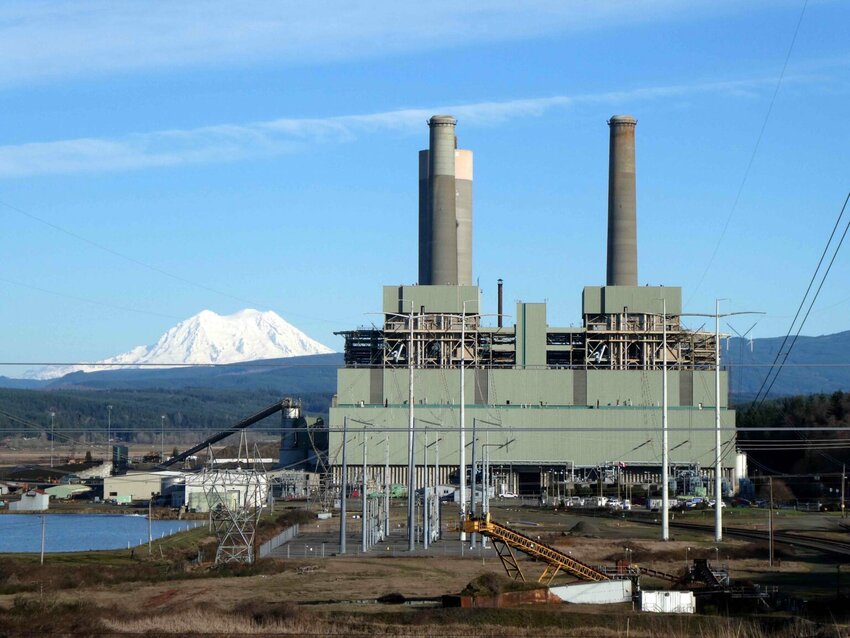
The Centralia coal plant, with a capacity of 670 megawatts, has remained idle since December 2023, in compliance with the coal phaseout agreement. Observations from a recent visit to the facility indicated no activity, with no visible emissions from the smokestacks. The rail spur near the plant was also quiet, suggesting limited coal deliveries.
A significant barrier to any potential revival of coal operations is Washington’s energy transition law, which prohibits utilities from purchasing coal power as of January 1, 2024. This legislation reflects the state’s commitment to reducing reliance on fossil fuels.
In a related development, Washington’s Attorney General Nick Brown and several environmental organizations have initiated administrative appeals to the Energy Department, seeking to revoke the emergency order affecting TransAlta. They argue that conflicting directives from state and federal authorities could impede the planned conversion of the Centralia facility to natural gas. Brown expressed concern that delays in the transition could jeopardize the plant’s readiness for the winter of 2028-2029.
As the situation unfolds, both legislative and legal battles appear poised to shape the future of coal power in Washington and the broader implications for energy policy in the region. The next steps will be crucial in determining how the state navigates its energy landscape amid federal pressures and environmental responsibilities.