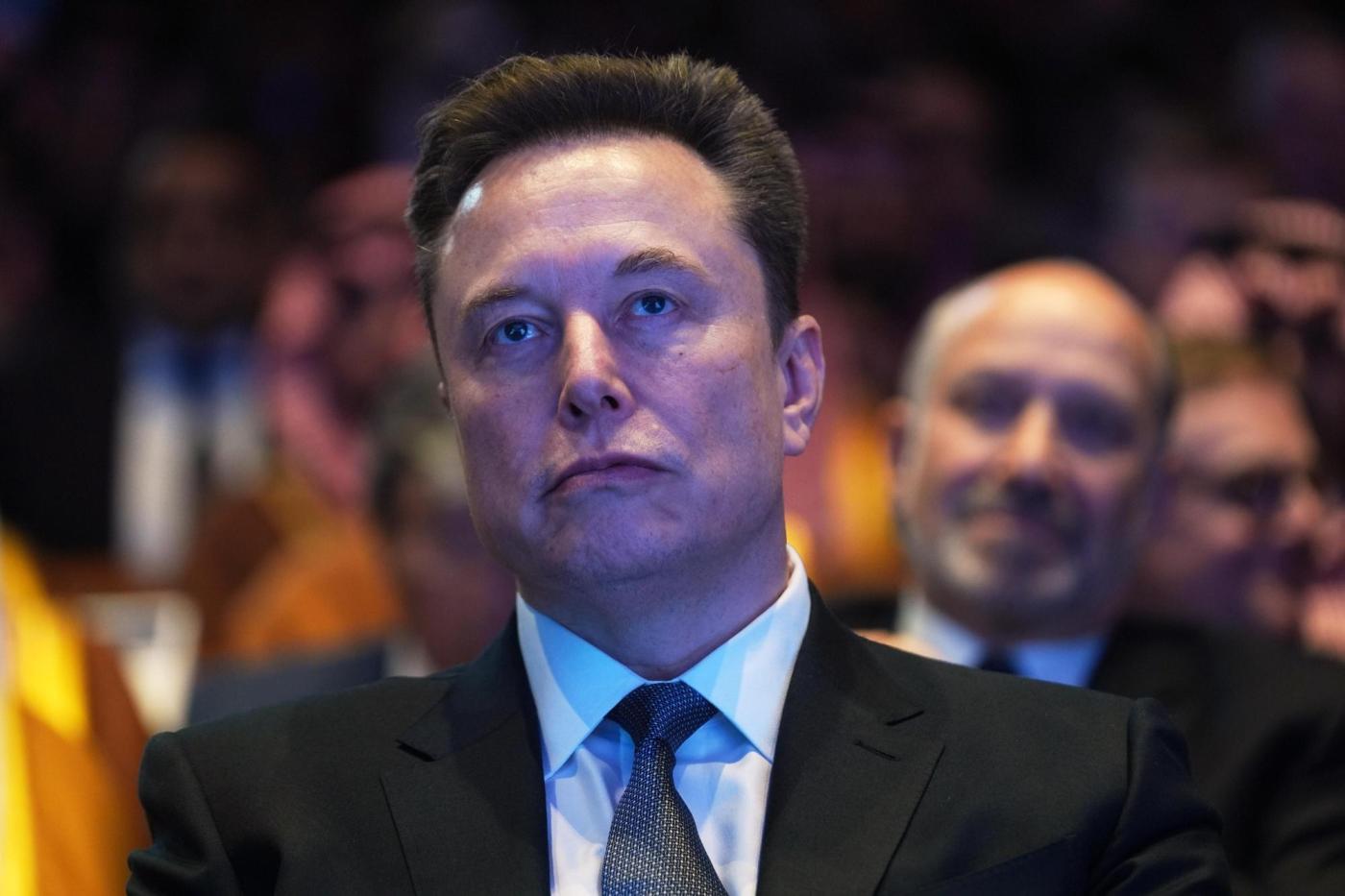
Mega billionaire Elon Musk recently shared his thoughts on the Department of Government Efficiency during an interview on the “Katie Miller Podcast.” He described his tenure leading the agency as only “somewhat successful” and expressed reluctance to revisit the initiative, which he believes hindered his businesses.
In the conversation with Katie Miller, who previously served as a spokeswoman for the agency, Musk reflected on the challenges of effecting rapid change within the federal government. He acknowledged the difficulties he faced while attempting to implement new efficiency measures, stating, “We were a little bit successful. We were somewhat successful.” However, he admitted that the experience was not worth repeating, saying, “I don’t think so. … Instead of doing DOGE, I would have, basically, built … worked on my companies.”
Musk’s comments came after he departed the agency in the spring, which officially closed last month. During his time with the initiative, he claimed it saved approximately $200 billion annually by eliminating what he termed “zombie payments.” These savings, according to Musk, could be achieved through improved automated systems and coding for federal payouts. Nevertheless, these figures fall short of his earlier ambitious assertions that the agency could realize savings in the trillions.
While reflecting on his experiences, Musk also noted the impact of his DOGE work on his companies. “They wouldn’t have been burning the cars,” he remarked, referencing consumer protests against Tesla. His comments highlight the complexities of balancing public service and private business interests.
Despite the challenges faced during his stint with the agency, Musk has seen significant success in the private sector. After his departure from the Trump administration, shareholders of Tesla approved a compensation package that could position him as the world’s first trillionaire.
The podcast featured an extensive discussion, lasting over 50 minutes, covering various topics including artificial intelligence, social media, conspiracy theories, and fashion. Miller, who is married to senior Trump adviser Stephen Miller, did not delve deeply into the controversial aspects of the DOGE initiative.
Musk’s reflections on the agency underscore the complexities involved in government reform and the challenges of balancing public service with entrepreneurial pursuits. As he continues to push the boundaries of technology and innovation with SpaceX and Tesla, his insights provide a glimpse into the intersection of politics and business in contemporary America.