DC Comics, a cornerstone of the comic book industry, is celebrated for its striking cover art. However, even this prestigious publisher has released covers that fell short of expectations. This article examines five particularly cringeworthy examples, highlighting how some works have not aged well and how modern attempts sometimes miss the mark.
Outdated Depictions and Uncomfortable Themes
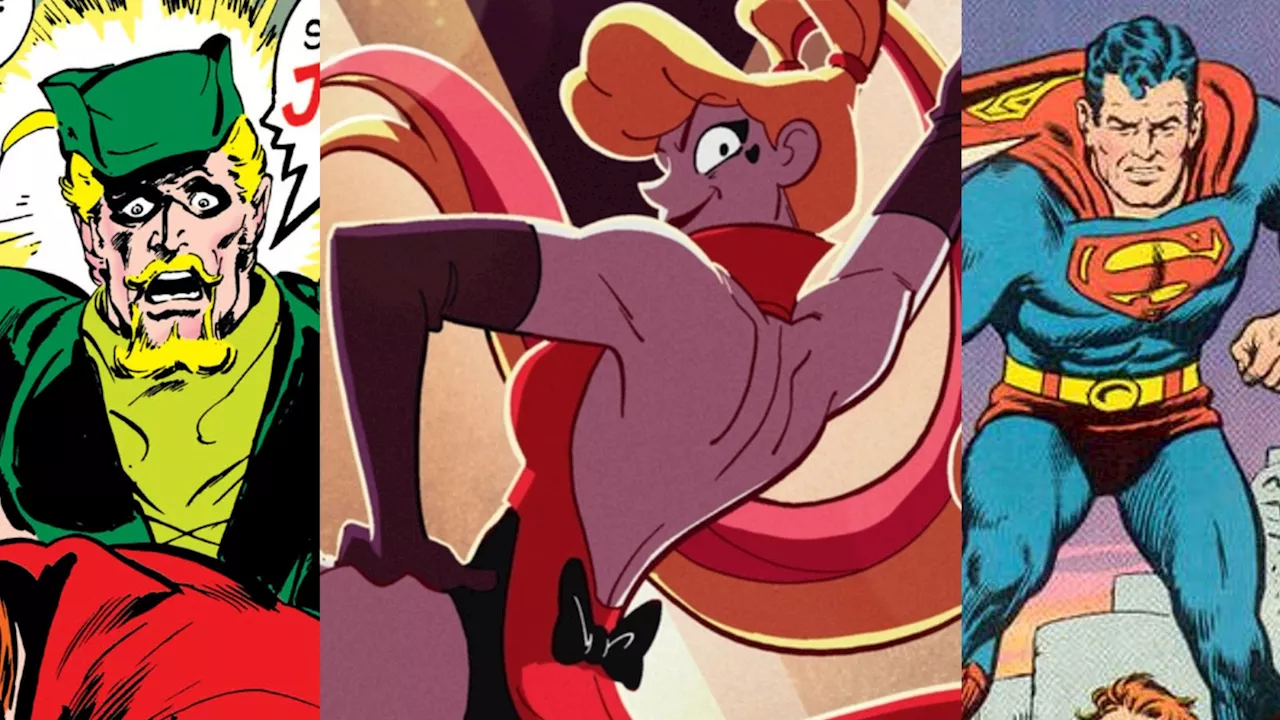
One notable cover comes from the Silver Age of comics, specifically featuring Green Arrow’s sidekick, Roy Harper. The cover, part of the storyline dubbed “Hard-Traveling Heroes,” showcased a shocking depiction of Roy preparing to inject drugs. This image stirred controversy upon its release, illustrating the drug crisis in a raw and unsettling manner. It remains a stark reminder of the challenges faced by young heroes and continues to provoke discussion among modern readers.
In another instance, the cover of “Wonder Woman” featuring Egg Fu reveals troubling racial stereotypes prevalent in earlier comics. This minor villain, inspired by the Yellow Peril rhetoric, held Wonder Woman and her ally Steve Trevor captive. The juxtap of such a negative portrayal with a character known for promoting equality and empowerment raises serious questions about the representation of villains in comic history.
Modern Missteps in Comic Art
The modern era is not immune to missteps, as evidenced by the cover of “Harley Quinn Fartacular: Silent Butt Deadly #1.” This cover, featuring Harley Quinn clearing a room of showgirls, unabashedly centers on the theme of flatulence. The inclusion of a scratch-and-sniff element only amplified its outrageousness. Critics have expressed disbelief that such a concept made it through the creative process, highlighting the thin line between humor and tastelessness in comic art.
Another cover that has drawn criticism is from the first issue of DC Comics’ namesake series. Featuring the character Fui Onyui, a criminal antagonist, this artwork leans heavily into harmful stereotypes. The exaggerated portrayal of this character reflects a troubling legacy that continues to haunt the comic book industry. The fact that this cover belongs to a title pivotal in shaping DC Comics raises concerns about the messages conveyed through its artwork.
Lastly, the cover of “Superman” featuring the Man of Steel forcing his friend Jimmy Olsen and sidekick Robin to dig their own graves stands out as particularly unsettling. This image, reminiscent of clickbait tactics, presents a dark twist on storytelling that contrasts sharply with the values typically associated with these beloved characters.
In summary, while DC Comics has produced an impressive array of iconic covers, it has also faced its share of artistic misfires. From outdated depictions to modern attempts that miss the mark, these five covers serve as reminders of the evolving standards in comic book art. As the industry continues to grow and adapt, it will be crucial for creators to reflect on the messages conveyed through their work, ensuring that they resonate positively with audiences.