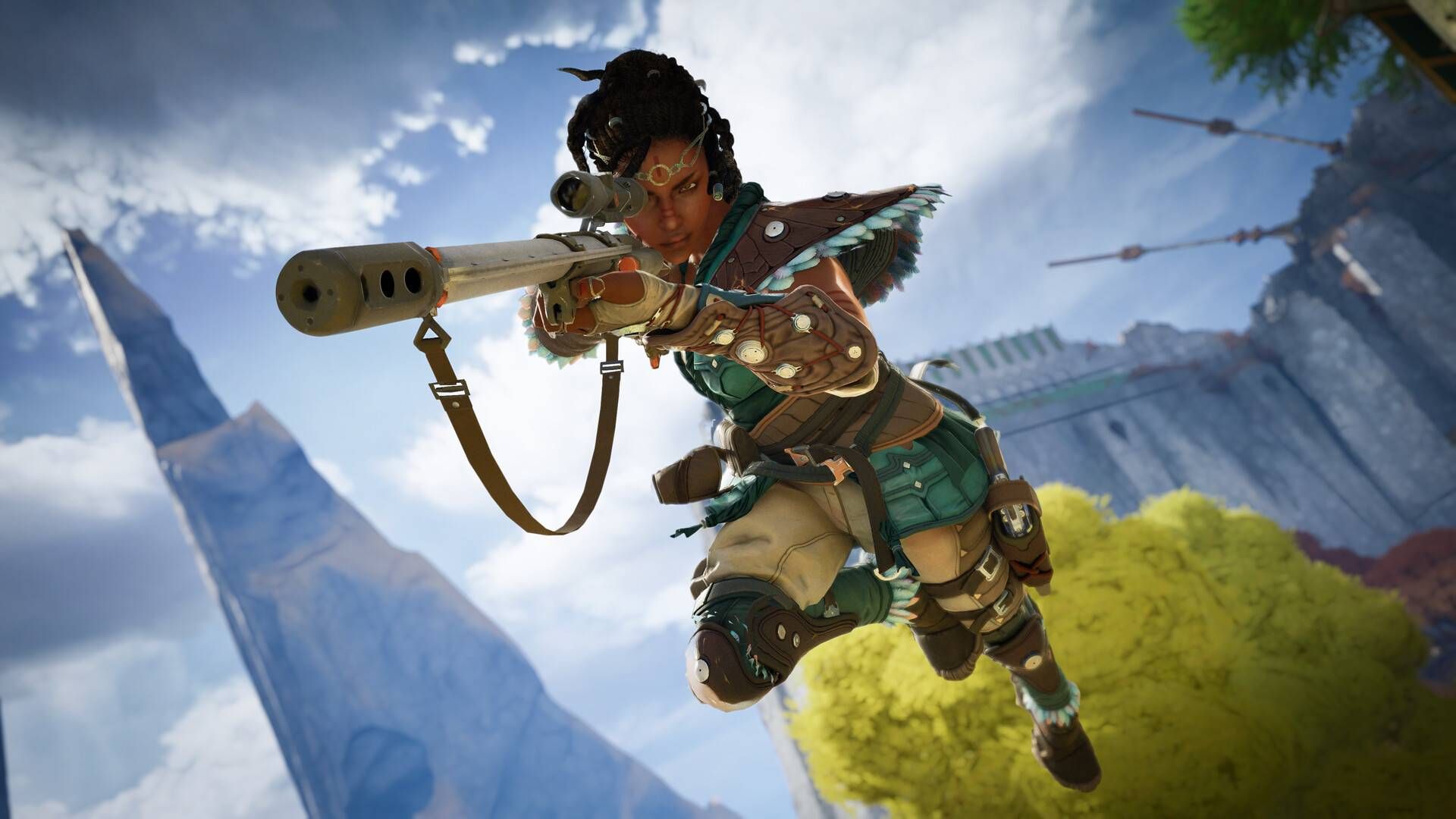
The multiplayer shooter Highguard, developed by Wildlight Entertainment, has faced significant criticism following its launch, particularly regarding its gameplay dynamics. The game, which debuted on March 2024 for platforms including PlayStation 5, Windows PC, and Xbox Series X, has been described as lacking the cohesion necessary for an engaging team experience, particularly when played solo.
During a closed-door preview event, gaming journalist Austin Manchester of Polygon experienced Highguard in a controlled environment, where collaboration among players showcased the game’s best potential. However, the public release revealed a stark contrast, as many players reported dissatisfaction with the gameplay when not teamed up effectively. The game has been criticized for its convoluted blend of styles, incorporating elements from various genres without a clear focus, which has led to frustration among users.
The core structure of Highguard features two teams of three players competing to destroy each other’s bases, reminiscent of a multiplayer online battle arena (MOBA) format. Yet, it also attempts to integrate mechanics from first-person shooters, survival games, and hero-based shooters, leading to a disjointed experience. Many players noted that the game’s pacing felt awkward, with long stretches of inactivity punctuated by brief moments of intense action.
An average match begins with players selecting loadouts and reinforcing their base defenses. Following this, they explore a large map to find weapons and resources, including a currency called “vesper.” The emergence of the powerful Shieldbreaker item adds urgency to the gameplay, allowing teams to launch raids on their opponents. Despite the potential for thrilling encounters, many players experienced what felt like an extended period of “dead air,” making the action feel sporadic and unfulfilling.
The game’s design is particularly challenging for solo players. Without the benefit of teamwork and communication, players often find themselves aimlessly traversing a sprawling environment that lacks engaging content. Feedback suggests that the two-team format may not be optimal; a larger number of teams could enhance competition and strategic depth.
Moreover, critical gameplay elements appear underdeveloped. Players have noted the absence of essential features such as player statistics, reporting options, and ranked play. While Wildlight Entertainment has made adjustments, including the addition of graphical and accessibility settings post-launch, many feel that the game was rushed to market without adequate refinement.
As it stands, Highguard struggles to carve out a niche in a competitive gaming landscape, particularly given that other titles offer similar gameplay elements with greater polish and engagement. The potential for a unique multiplayer experience is overshadowed by its execution, leaving players yearning for a more cohesive and exciting environment.
In its current form, Highguard resembles an early access title, prompting speculation regarding its future development trajectory. For players seeking a dynamic team-based experience, it may be worthwhile to monitor any forthcoming updates from Wildlight Entertainment that could address these concerns.