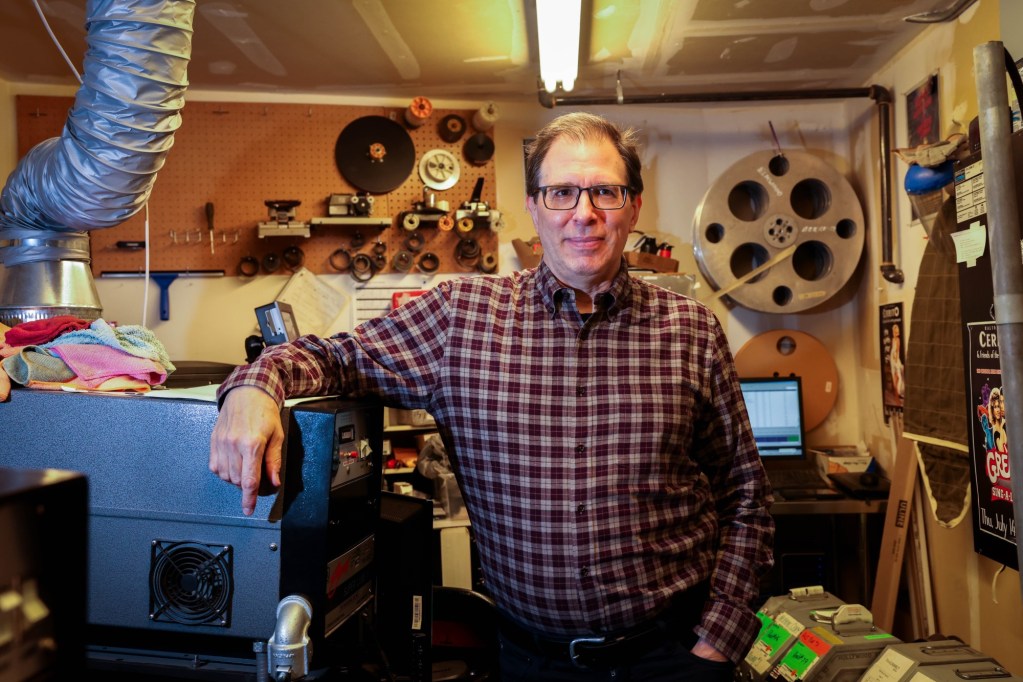
Rialto Cinema continues to flourish in the Bay Area, standing out as a beacon for film enthusiasts amidst the closure of numerous local theaters. With three locations—the Elmwood Theater in Berkeley, the Cerrito Theater in El Cerrito, and Rialto Cinemas Sebastopol—this independent theater group curates a diverse selection of films, catering to a wide audience that includes cinephiles and casual moviegoers alike.
The survival of Rialto Cinema is attributed to its thoughtful programming and community engagement, as highlighted by its Director, Ky J. Boyd. He emphasizes the importance of creating an inviting atmosphere where patrons can enjoy the art of cinema. Boyd stated, “You open your doors and hope people come and like what you have to show. The world has changed and there are new ways of viewing movies, but I live in hope that people understand the artform that is cinema and the value of watching in the cinema.”
Boyd’s passion for film began in his childhood in Montana, inspired by the 1970 Disney animated classic, “The Aristocats.” Over the years, he developed a particular fondness for independent films, documentaries, and foreign cinema. In 2000, he realized his dream of owning a theater by opening Rialto Cinemas Lakeside in Santa Rosa. Despite initial skepticism about the viability of an arthouse cinema in the region, the theater thrived for over a decade until its lease expired.
In the years following, Rialto Cinema expanded by acquiring the Elmwood Theater in 2007 and the Cerrito Theater in 2009. The Sebastopol location opened in 2012, solidifying the theater group’s presence in the area. These venues, characterized by their historic architecture and unique offerings, contribute significantly to the local cultural landscape.
The Elmwood Theater often showcases independent and foreign films, while the Cerrito Theater features popular titles, including the recent hit “Barbie.” Boyd noted that the unpredictability of film popularity can be surprising, citing the documentary “The Last Class,” which attracted sold-out audiences, including special events with the film’s star, Robert Reich.
The charm of Rialto Cinemas extends beyond the films themselves. Both the Elmwood and Cerrito locations feature art deco elements and comfortable amenities, allowing patrons to enjoy meals delivered to their seats. From nachos to gourmet burgers, the menu is designed for convenience in a cinema setting.
Maintaining spaces where diverse film offerings flourish is essential, Boyd argued. His team, comprised of passionate film aficionados, shares this vision. Victoria Carton, a concession clerk at the Elmwood Theater, remarked, “Even if it’s not a sold-out showing, people showing up matters. We have to make art. That’s how you get your cult classics.”
The intimate atmosphere of Rialto Cinemas distinguishes it from larger chains. Paola Jimenez, co-general manager of the Cerrito Theater, expressed pride in creating memorable experiences for patrons. The theaters serve as significant community hubs, hosting storytelling in its traditional form. Philippe Matheus, co-general manager of the Elmwood Theater, articulated the unique connection fostered among moviegoers, stating, “Being in the dark with strangers…you feel connected to something larger.”
Despite the ongoing success of Rialto Cinema, the landscape for independent theaters remains precarious. The closure of the Albany Twin in 2023 and the shuttering of the United Artists Theater, a 90-year-old venue in Berkeley, illustrates the challenges faced by small cinemas. Larger chains, such as Cineworld, which operated multiple local theaters, have also reduced their presence, raising concerns over the future of independent venues.
In recent years, proposals for new housing developments on former theater sites have emerged, prompting discussions about the balance between urban growth and preserving cultural landmarks. Boyd acknowledged the need for housing but raised concerns over the potential impact on beloved community spaces. “You can’t just knock down buildings and build taller. We’ll lose the soul and lose what makes it special,” he remarked.
Rialto Cinema’s ownership of the Cerrito Theater building and the Elmwood Theater Foundation’s commitment to preserving the Berkeley site offer some security for these venues. However, Boyd recognizes that circumstances can change, especially in a rapidly evolving real estate market.
The resilience of Rialto Cinema is evident in its ability to navigate challenges, including natural disasters and the recent global pandemic, which disrupted many businesses. Throughout these trials, community support has been crucial, allowing Rialto Cinema to continue offering a diverse range of films and experiences.
“It’s always a gamble,” Boyd said. “Believe me, there are parts I don’t love, but at the end of the day, the positives outweigh the negatives.” This sentiment captures the essence of Rialto Cinema’s mission: to provide a cherished space for film lovers and to keep the art of cinema alive in an ever-changing world.