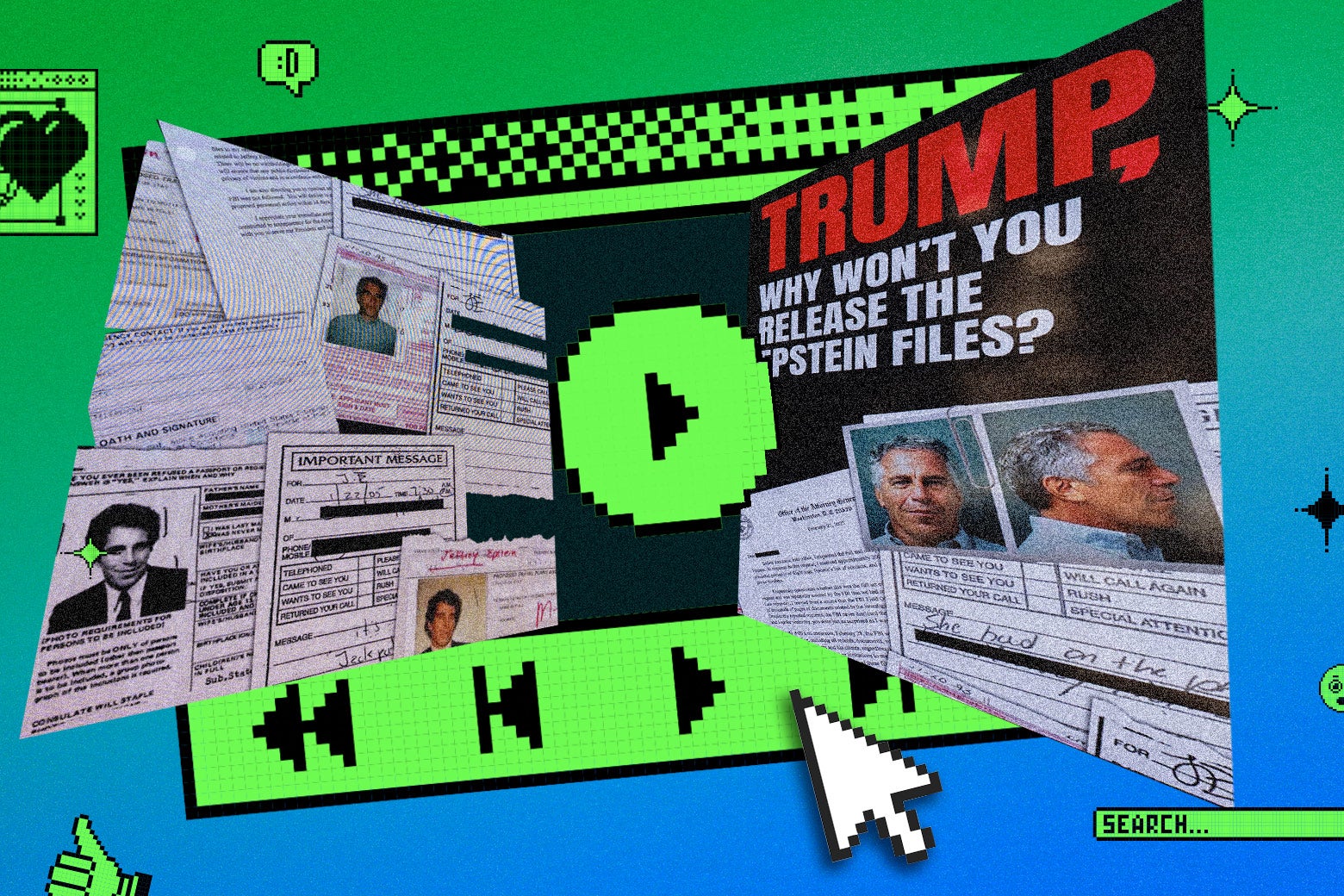
The online discourse surrounding Jeffrey Epstein has taken a troubling turn, as many individuals have begun to treat his heinous crimes as fodder for humor. Recent discussions highlighted in the podcast episode of ICYMI, hosted by Kate Lindsay, emphasize the risks associated with using Epstein’s case as a source of memes and jokes. These activities not only trivialize the gravity of his actions but also overshadow the experiences of his victims.
In an episode featuring journalist Kat Tenbarge, the conversation focused on her article, “There’s nothing funny about the Epstein Files.” Tenbarge argues that while dark humor can serve as a coping mechanism in the face of tragedy, the pervasive online memes related to Epstein’s alleged sex trafficking undermine the serious nature of the crimes. The newly-released files from Epstein’s case have become a tool for internet users to gain social media traction, often at the expense of those who suffered.
The issue is not merely a matter of taste; it raises ethical questions about how society engages with sensitive topics. As Tenbarge points out, the humor surrounding Epstein’s case often detracts from the pursuit of justice and accountability. Victims, whose lives have been irrevocably altered by the events tied to Epstein, risk being further marginalized by the very discussions meant to hold perpetrators accountable.
The podcast, produced by Daisy Rosario, Vic Whitley-Berry, and Lindsay herself, delves into the complexities of internet culture and the responsibility of content creators. As discussions about Epstein continue to evolve, the potential for misunderstanding and misrepresentation remains high. The consequences of this phenomenon extend beyond mere online interactions, impacting real lives and societal perceptions.
Listeners are encouraged to reflect on the implications of their engagement with such content. The balance between humor and sensitivity is delicate, and the Epstein case highlights the necessity for a more thoughtful approach. As individuals navigate the digital landscape, they must consider the broader context and the potential harm that can arise from seemingly innocuous memes.
As society grapples with the legacy of Epstein and similar figures, it is essential to ensure that the focus remains on justice for victims rather than on trivializing their experiences. The ongoing conversation serves as a reminder of the power of language and representation in shaping public understanding of complex issues.