Karoline Leavitt, the White House Press Secretary, has sparked significant backlash following her comments regarding a connection between former President Donald Trump and Jeffrey Epstein. During a press briefing, Leavitt addressed a report detailing a phone call Trump allegedly had with the Palm Beach Police Chief about Epstein in the early 2000s. When pressed by journalists on the implications of this call, Leavitt stated, “We’re moving on from that,” which has drawn sharp criticism from various quarters.
The controversy began when a reporter highlighted the inconsistency of Trump’s previous statements about Epstein, particularly the former president’s claims that he had expelled Epstein from his Mar-a-Lago club due to his “creepy” behavior. Leavitt’s response to the reporter suggested that the new information could dismantle narratives surrounding Trump that have persisted for years. She continued, “And I’m sure many of you, when you read that alleged FBI report, probably thought to yourself, ‘Wow, this really cracks our narrative that we’ve been trying to push about this president for many years.'”
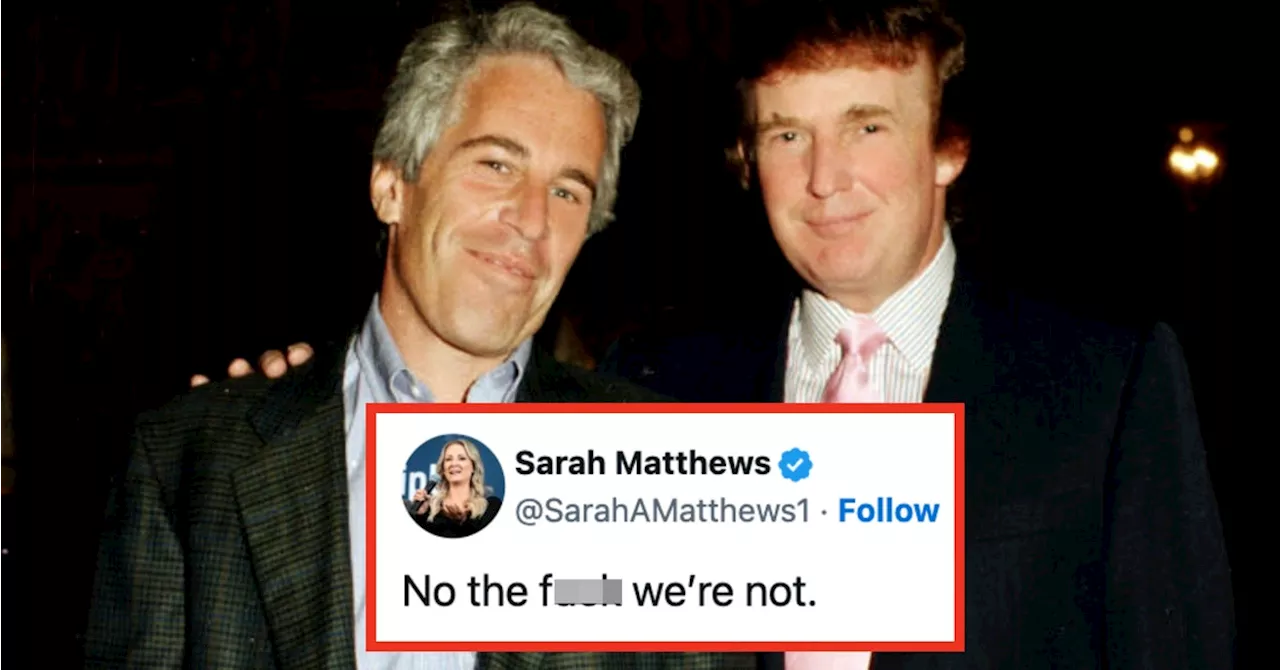
Leavitt’s dismissal of the issue as she shifted topics did not sit well with several individuals, including Sarah Matthews, who served as the deputy press secretary for the Trump administration in 2020. Matthews responded on social media, asserting, “No the fuck we’re not,” indicating a strong disagreement with Leavitt’s approach. Author and psychologist Mary L. Trump, also the niece of Donald Trump, echoed this sentiment in a tweet, stating, “Karoline Leavitt: ‘We’re moving on from.’ The rest of the world: ‘No–we’re not. Ever.'”
The remarks have ignited a wave of responses across social media platforms, with many commentators questioning the appropriateness of dismissing such a significant topic. The implications of Trump’s ties to Epstein have been a longstanding point of contention, and Leavitt’s comments have reignited discussions surrounding the former president’s past relationships and actions.
As the fallout continues, the White House faces scrutiny over its messaging and handling of inquiries related to Epstein. The public’s interest remains high, particularly in light of the ongoing investigations involving Epstein and his associates. Leavitt’s comments serve as a reminder of the contentious nature of political discourse related to high-profile figures and their histories.
The situation highlights the complex dynamics within the Trump administration and the challenges faced by officials when addressing sensitive topics. Leavitt’s attempt to move on from the discussion may reflect a broader strategy to control the narrative. Still, the backlash suggests that many are unwilling to let the matter rest.
In an era where transparency is increasingly demanded by the public, Leavitt’s remarks may have inadvertently opened a new chapter in the ongoing investigation into Epstein and the political implications for Trump. As more information surfaces, the administration will need to navigate the delicate balance between addressing past controversies and maintaining focus on current priorities.