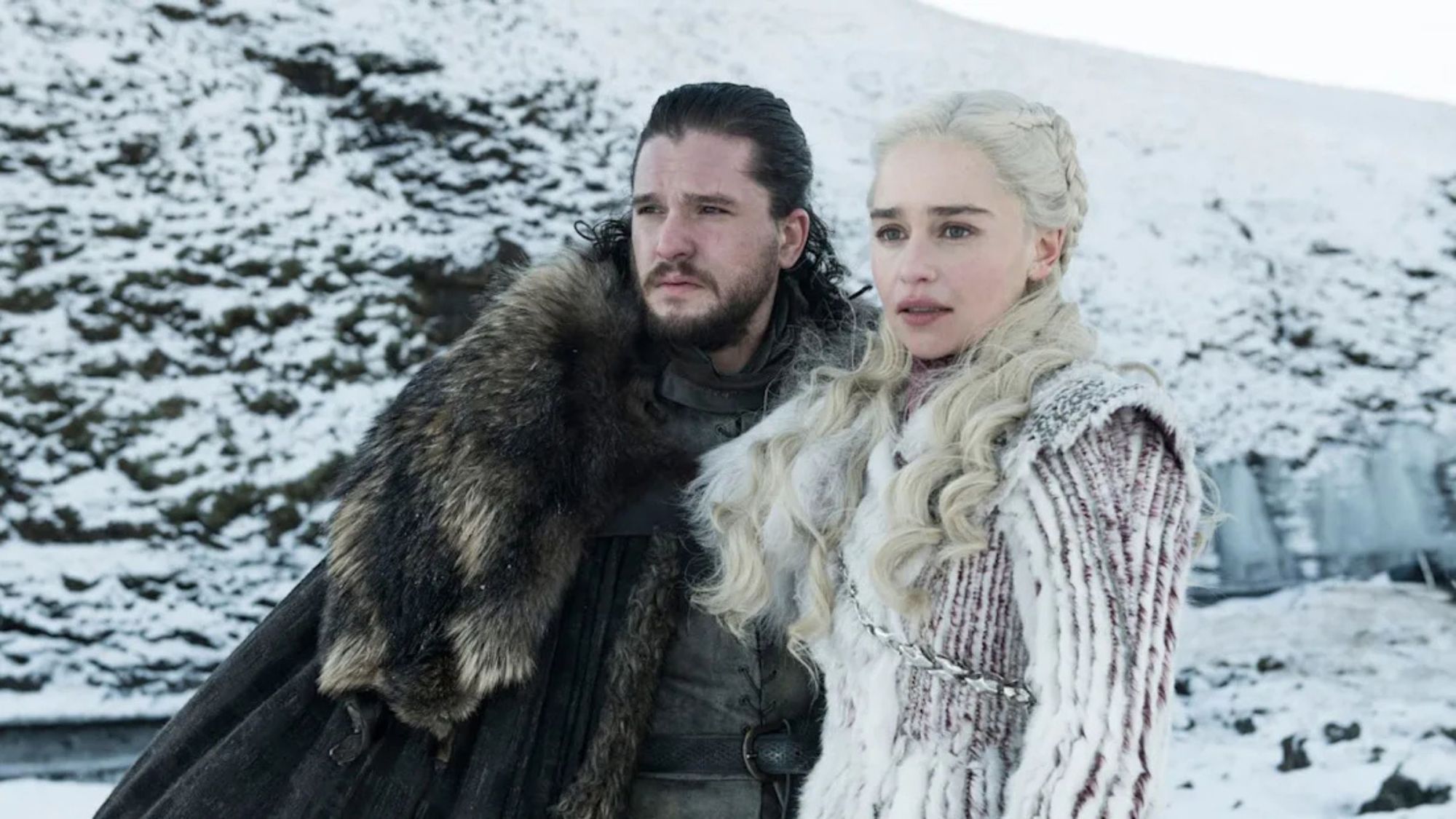
Emilia Clarke, best known for her role as Daenerys Targaryen in the acclaimed series Game of Thrones, recently expressed her disappointment over comments made by linguist David J. Peterson. During her appearance on Late Night With Seth Meyers, Clarke claimed that Peterson criticized her portrayal of the fictional Dothraki language, suggesting that her performance was subpar. However, Peterson has since clarified his remarks, indicating that Clarke may have misunderstood his intent.
The discussion arose from a previous interview in which Peterson explained the complexities of learning Dothraki and High Valyrian, the two main languages he created for the show. He noted that Clarke’s character, Daenerys, was intentionally portrayed as struggling with Dothraki because it was not her first language. Peterson stated that the actress was provided with recordings that included inaccuracies, aiming to reflect her character’s lack of fluency.
In her interview, Clarke expressed feeling “hurt and pissed” by the implication that her Dothraki dialect was inadequate. She mentioned that Peterson’s comments suggested she was not performing well in the role. This sentiment was echoed by Meyers, who appeared to agree with Clarke’s frustrations.
Peterson promptly responded, stating, “I think Emilia may have misunderstood what I said, because I’ve never criticized her Dothraki.” He emphasized that the portrayal of Daenerys struggling with the language was integral to her character development. “Criticizing any imperfections in her Dothraki performance would be like criticizing Colin Firth for stuttering in The King’s Speech. It would be entirely missing the point,” he explained.
The linguist further elaborated that grammatical errors were intentionally included in Clarke’s lines to enhance the authenticity of her character’s experience. He highlighted that while other cast members, such as Jason Momoa and Amrita Acharia, received recordings demonstrating proper usage of Dothraki, Clarke’s recordings were designed to sound incorrect, aligning with her character’s background.
Clarke’s portrayal of Daenerys has long been discussed among fans and critics, with many appreciating the depth she brought to the role. However, her comments during the talk show led to a misunderstanding regarding the linguistic choices made by Peterson. The dialogue revealed a broader conversation about the challenges actors face when embodying characters with complex backgrounds, particularly in fantasy settings.
In the show, Daenerys’ journey includes learning Dothraki, a language she had no prior knowledge of. Peterson pointed out that Clarke’s performance effectively captured her character’s struggle to communicate, making it a vital component of the storyline.
As the conversation around this misunderstanding unfolds, it highlights the intricate relationship between language, character development, and actor performance in the realm of television. Peterson’s insights remind audiences that the challenges faced by characters like Daenerys are often reflected in the performances of the actors portraying them, rather than shortcomings in their abilities.
Clarke’s comments and Peterson’s clarification serve as a reminder of the complexities involved in creating a fantasy world rich with its own languages and cultures. Both the actress and the linguist contribute to the ongoing legacy of Game of Thrones, a series that continues to captivate viewers worldwide.