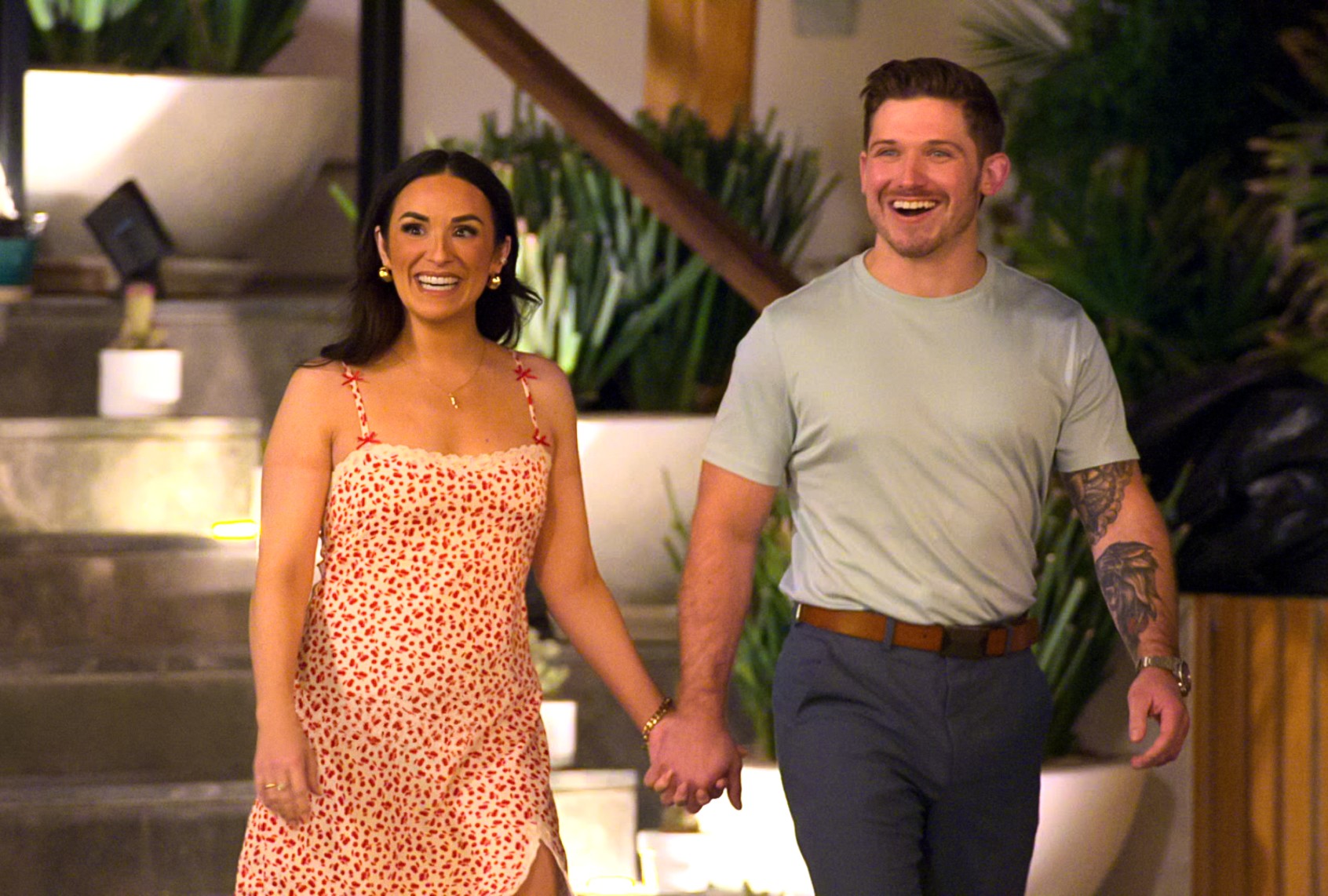
The latest season of Netflix’s reality series, “Love Is Blind,” has sparked conversations about the complexities of modern relationships, particularly through the lens of its most controversial contestant, Chris Fusco. During Season 10, Fusco’s interactions with Jessica Barrett reveal a troubling dynamic that underscores the struggles many face in dating today.
Initially, Fusco appeared to be a typical participant, sharing engaging moments with Barrett, an infectious disease physician, during their time together in Mexico. However, his demeanor shifted dramatically upon returning to Ohio. In a pivotal scene, Fusco bluntly critiques Barrett’s body, stating he is drawn to women who maintain a strict fitness regimen. “It’s just… somebody who does Pilates every day, or someone who’s working out every day,” he expressed, prompting Barrett to leave the apartment they shared.
His behavior did not stop there. At a subsequent couples mixer, Fusco, inebriated, disparaged their intimate life, demonstrating a lack of respect for both Barrett and their relationship. He even attempted to seduce another participant, Bri McNees, while her partner stood nearby. These incidents have positioned Fusco as a significant figure in discussions about dating standards and the expectations placed on women in romantic contexts.
The fascination with “Love Is Blind” stems from its blend of entertainment and social commentary. While viewers tune in for the entertainment value, many are reflecting on the underlying issues that the show exposes. Fusco’s remarks have resonated with audiences, becoming a focal point for discussions about the difficulties in dating, particularly in an era where social interactions have been deeply impacted by the pandemic.
As the COVID-19 pandemic led to increased reliance on technology, many individuals developed an expectation for a seamless romantic experience. Delivery apps and dating platforms made it easier to avoid traditional social interactions, often leading to misunderstandings and superficial connections. According to a January 2025 report from the Survey Center on American Life, 57% of single men and 54% of single women reported feeling pessimistic about finding a suitable partner.
This disconnect has become increasingly apparent in “Love Is Blind,” particularly through the experiences of other contestants. For instance, the relationship between Emma Betsinger and Mike Gibney highlights the challenges faced by those navigating modern romance. Betsinger, who is childless by choice, found herself abandoned at the altar by Gibney, who had proposed despite her reservations.
Another couple, Brittany Wicker and Devonta Anderson, experienced a similar lack of communication. Anderson’s sudden withdrawal from their relationship after Wicker expressed enthusiasm about a wedding dress illustrated the fragility of their bond. This pattern of conflict avoidance and poor communication is prevalent among the contestants, hinting at broader societal issues regarding intimacy and connection.
While some couples from the show, such as Lauren Speed-Hamilton and Cameron Hamilton, have successfully navigated their relationships, the overall success rate of the show appears to be declining. The disconnect between the initial premise of “Love Is Blind” and the reality faced by many participants raises questions about the efficacy of such matchmaking efforts.
The broader implications of these narratives reflect a concerning trend. Surveys indicate a rise in loneliness across demographics, with both men and women reporting feelings of isolation. The Pew Research Center found that 16% of men and 15% of women often feel lonely, suggesting that, as society grapples with post-pandemic realities, many are struggling to form meaningful connections.
As Season 10 nears its reunion episode, set for March 11, 2025, the discussions surrounding “Love Is Blind” continue to evolve. While some couples have found lasting connections, many others, like Fusco and Barrett, serve as case studies in the complexities of modern dating. The show highlights not only the challenges individuals face but also the shifting cultural norms surrounding romance.
Ultimately, the experiment of “Love Is Blind” raises crucial questions: Is it truly possible to find love in a world increasingly defined by isolation and superficial connections? As audiences await the reunion episode, it remains clear that the quest for genuine connection continues to be fraught with challenges.