Elon Musk and Donald Trump’s relationship has undergone significant transformations over the years, marked by moments of camaraderie and contention. Initially critical of Trump, Musk later became one of his most prominent supporters, only to face a public falling out. Recently, signs indicate a thaw in their relationship, as both figures appear to be reconciling once more.
In November 2016, just before the presidential election, Musk publicly expressed his doubts about Trump’s suitability for the presidency, stating, “He doesn’t seem to have the sort of character that reflects well on the United States.” Despite his reservations, Musk accepted appointments to two of Trump’s economic advisory councils after the election, defending his involvement as a means to influence positive environmental and immigration policies.
However, Musk severed ties with the White House in June 2017 after Trump announced the withdrawal from the Paris Agreement on climate change. In a tweet, Musk declared, “Climate change is real. Leaving Paris is not good for America or the world.” His departure from the advisory councils marked a clear stance against the administration’s environmental policies.
As the years progressed, Musk and Trump’s interactions fluctuated. By January 2020, Trump acknowledged Musk’s contributions, calling him “one of our great geniuses.” This praise coincided with Musk’s growing prominence in the tech industry, particularly as Tesla surpassed both Ford and General Motors in market value.
During the COVID-19 pandemic in May 2020, Musk clashed with California authorities over factory closures, prompting Trump to publicly support the Tesla CEO. “California should let Tesla & @elonmusk open the plant, NOW,” Trump tweeted. Musk responded with gratitude, highlighting a moment of alignment between the two.
The dynamics shifted again in 2022 when Musk signaled potential support for Trump’s return to Twitter after acquiring the platform, labeling the former president’s ban as a “morally bad decision.” Yet, tensions resurfaced shortly after, with Trump criticizing Musk as a “bullshit artist” for allegedly denying his prior support. Musk countered by stating that Trump’s claims were “not true.”
In July 2022, Musk further distanced himself from Trump, suggesting he should not run for president again. “It’s time for Trump to hang up his hat & sail into the sunset,” he tweeted, emphasizing the need for a new political direction. Trump’s response was to launch a scathing attack on Musk, questioning his business ventures and asserting that Musk was not genuinely supportive during their earlier collaborations.
Despite their conflicts, the two began to reconcile in 2024, particularly after Trump was shot during a campaign rally. Musk publicly endorsed Trump, marking a notable shift in their relationship. This endorsement came just days after Trump announced Ohio Senator JD Vance as his vice presidential pick, a decision Musk had reportedly encouraged.
By October 2024, Musk was actively campaigning for Trump, speaking at rallies and emphasizing the importance of voter turnout. His participation led to significant financial contributions to Trump’s campaign, with Musk’s America PAC investing over $80 million in various races.
After Trump’s victory in the November 2024 election, he appointed Musk to lead the newly established Department of Government Efficiency, abbreviated as DOGE, a nod to Musk’s association with the cryptocurrency Dogecoin. This appointment further solidified their partnership, with Musk attending key events and even sharing Thanksgiving dinner with Trump and his family.
As of early 2025, Musk’s influence was evident within the administration, although he faced scrutiny regarding his role. In February, White House filings clarified that Musk held no formal authority over government decisions, despite being a high-profile advisor. This clarification came amid ongoing debates about his contributions to the administration’s initiatives.
Musk’s public persona also faced challenges, including backlash related to the operations of Tesla amid protests and criticism surrounding his political involvement. By mid-2025, Musk began stepping back from his political activities, signaling a potential shift in focus back to his business ventures.
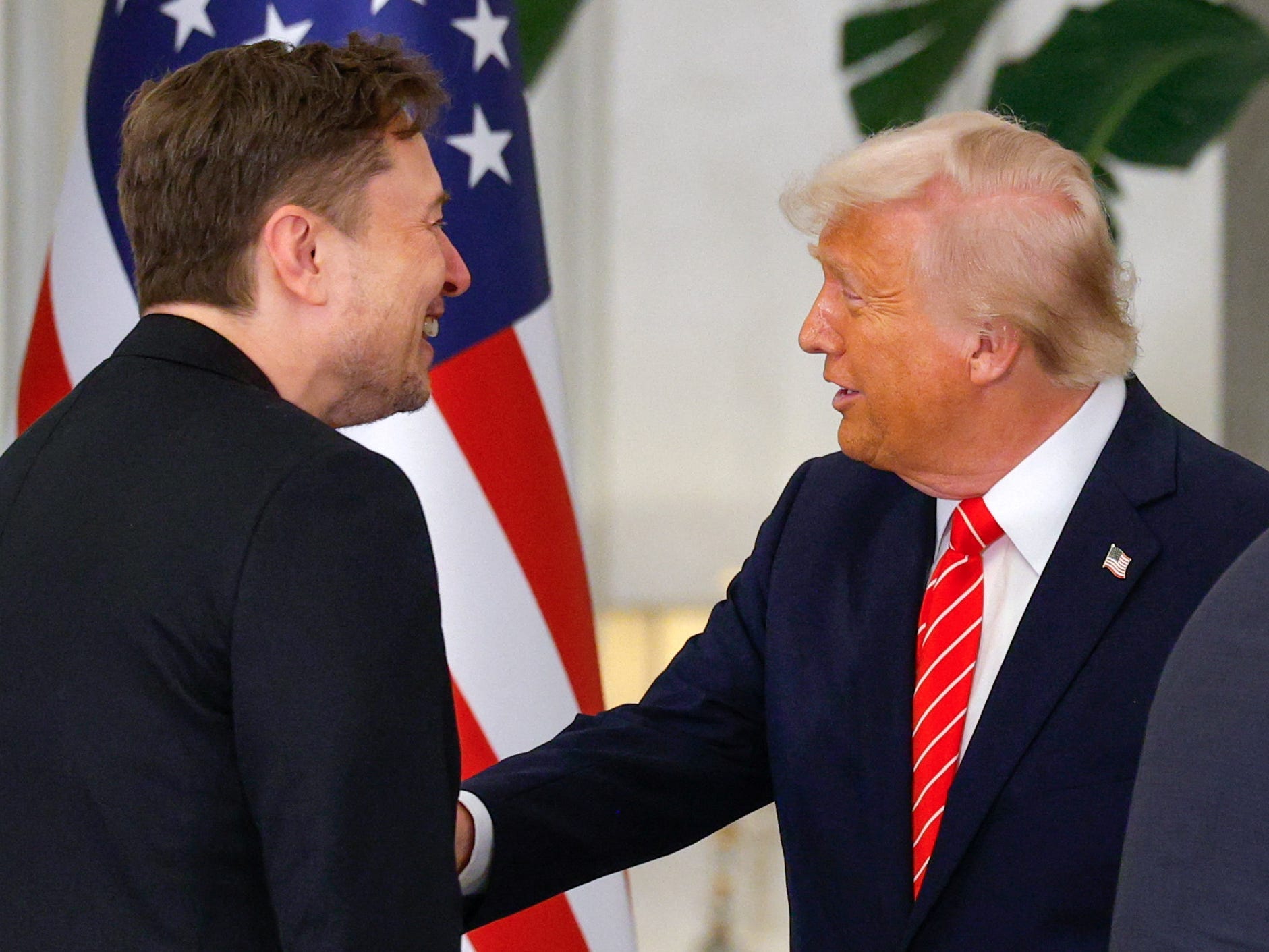
Despite earlier disagreements, Musk and Trump appeared to have mended their relationship by September 2025, when they were seen together at a memorial service. Trump later described their past conflicts as “a stupid moment,” expressing a desire to maintain a positive rapport with Musk.
The evolution of Musk and Trump’s relationship illustrates the complexities of their interactions, shaped by political ambitions, personal interests, and the volatile nature of public opinion. As they navigate the political landscape together, their alliance may continue to evolve, influencing both their futures and the broader political narrative in the United States.