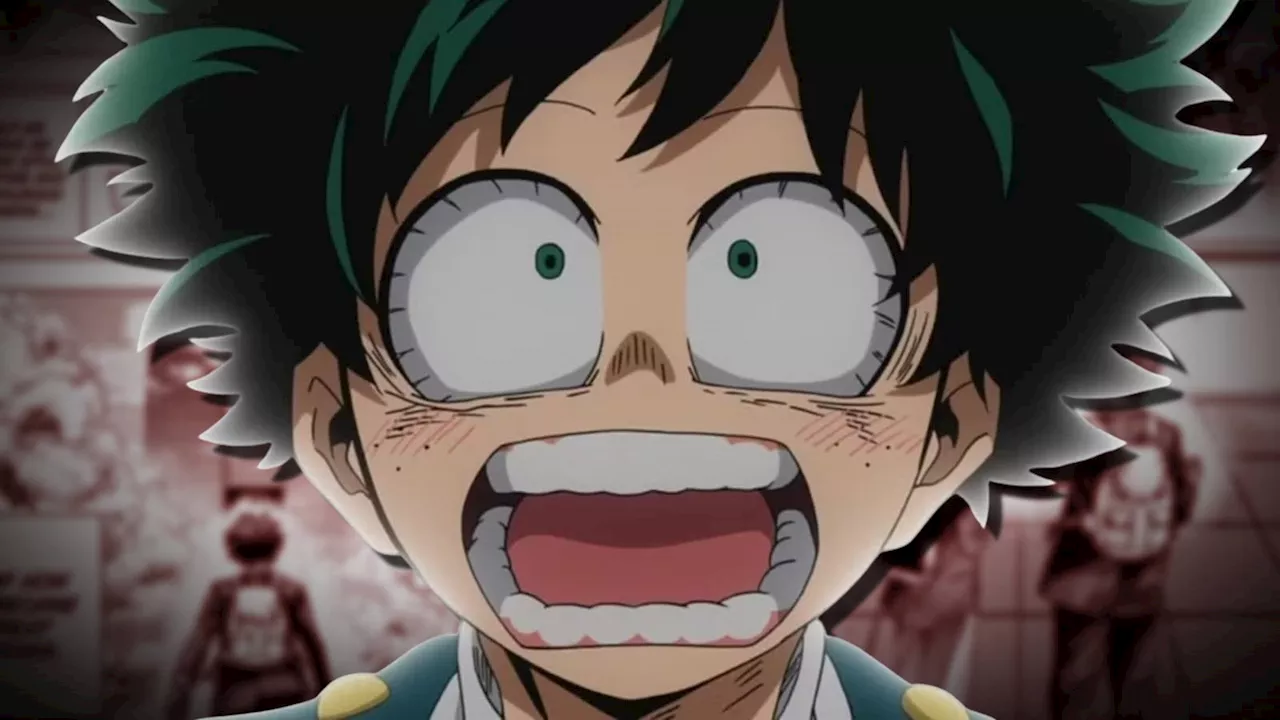
When the popular anime and manga series My Hero Academia concluded in 2024, reactions among fans were sharply divided. While some embraced the final arcs and the evolution of protagonist Deku into a pivotal figure within hero society, others expressed disappointment regarding the perceived sidelining of beloved characters. This debate intensified with the release of an epilogue chapter, which aimed to address many of the community’s concerns.
In a recent interview for the My Hero Academia exhibition in 2025, series creator Kohei Horikoshi disclosed details about his original vision for the series’ conclusion, revealing a more traditional ending. “I originally planned for it to end with Deku becoming a teacher and saying, ‘You can be a hero!’ Having used up his powers but looking fully confident… like that,” he noted. Horikoshi elaborated that the narrative had evolved beyond just Deku’s journey and began to explore broader themes, particularly the essence of being a hero.
Significant Changes to the Story’s Conclusion
The most profound shift from Horikoshi’s initial plan to the final version involved the core message of the series. In the original ending, Deku’s journey culminated in his achievement of becoming the world’s greatest hero, passing the torch to the next generation, much like All Might did for him. This aligned closely with Deku’s iconic declaration from Chapter #1, “This is the story of how I became the greatest hero.”
However, the final version took a different route. The narrative transformed into a collective journey with a unified message, as captured in Chapter #324’s revised line: “This is the story of how we all became the greatest heroes.” This change reflected a more inclusive and communal understanding of heroism, which resonated well with the story’s expansive character development.
Many fans argue that Horikoshi’s decision to pivot from his original ending was a wise choice. By moving away from a singular focus on Deku, the series allowed for the rich arcs of secondary characters, such as Bakugo and Endeavor, to flourish. Had the original ending been retained, these character developments might have lost their emotional weight and significance.
Fan Reactions and Future Developments
Despite mixed responses to the original series conclusion, the release of an anime epilogue has provided some fans with a sense of satisfaction. It offers closure for various characters, addressing lingering questions that arose from the series finale. This additional content may help to reconcile divided opinions within the fandom.
Horikoshi’s realization that the true essence of My Hero Academia lies in the theme of reaching out to others is a testament to the narrative’s evolution. It illustrates a departure from a conventional hero’s journey and embraces the idea of community and support.
As discussions continue around the series and its impact, fans remain engaged, seeking deeper analyses and context. The ongoing conversation about Horikoshi’s creative choices reflects the profound connection that audiences have with the characters and the overarching themes of heroism present in My Hero Academia.
This journey from a singular focus to a collective narrative showcases the adaptability of storytelling and the importance of character development in creating a lasting impact.