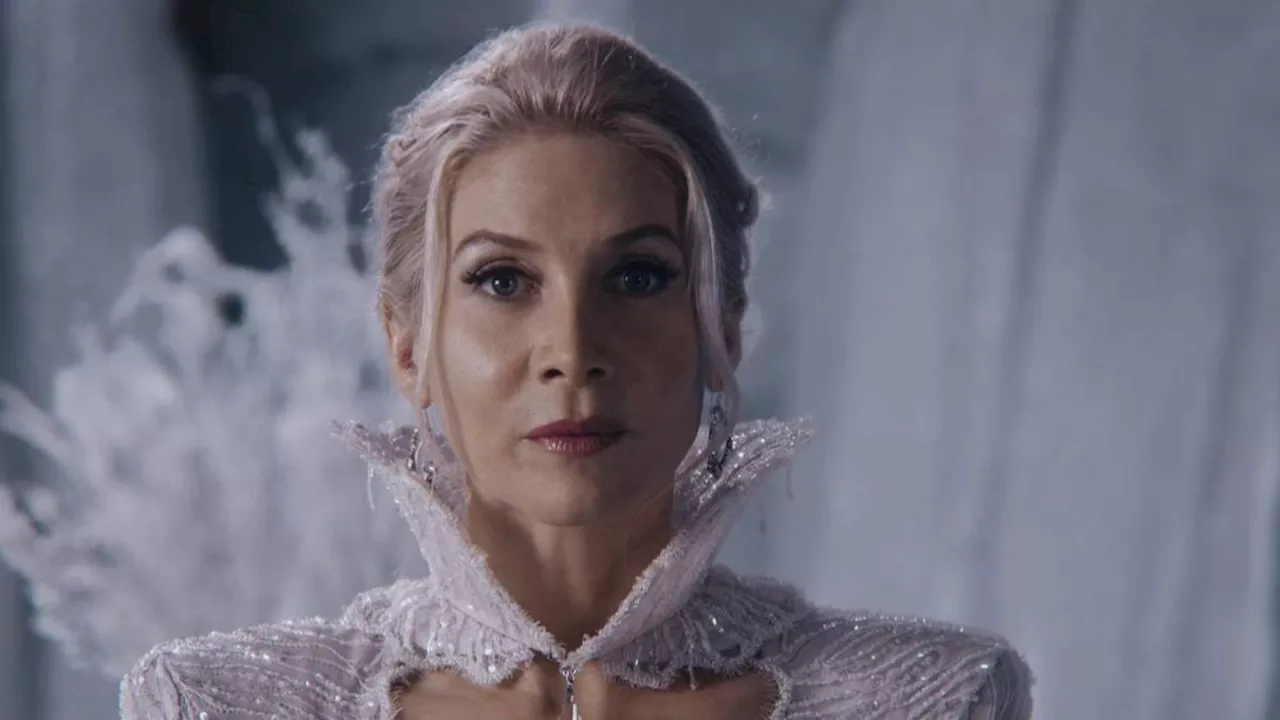
The fantasy drama series Once Upon a Time, which aired on ABC from 2011 to 2018, captivated audiences with its unique take on beloved fairytales. Spanning a total of 155 episodes, the show created a magical universe around the fictional town of Storybrooke, Maine, where iconic characters from nursery rhymes and Disney films came to life. Despite its initial success, the series was criticized for becoming increasingly difficult to watch as it progressed, leaving behind a mixed legacy.
At its heart, Once Upon a Time introduced viewers to a world where fairytale characters faced real-world challenges. The premise centers on a curse cast by the Evil Queen, which erases the memories of these characters and traps them in a mundane existence. The only hope for breaking the curse lies with Emma Swan, the daughter of Snow White and Prince Charming, who has grown up unaware of her magical heritage.
Innovative Storytelling Meets Repetitive Tropes
Created by Edward Kitsis and Adam Horowitz, the series was lauded for its clever storytelling techniques, particularly its use of flashbacks to explore characters’ pasts. This narrative style allowed the show to reinterpret well-known tales, introducing creative twists. For instance, the character of Rumpelstiltskin served multiple roles, acting as both a villain and a hero, which enriched his character arc and added depth to the storyline.
The first season successfully established the show’s distinctive formula, which continued to evolve as it incorporated characters from classic literature and other popular stories, including Frankenstein and The Wizard of Oz. The series became a platform for Disney fans to see their favorite characters in a new light, especially as it featured Disney’s interpretations of these figures.
Despite its initial creativity, Once Upon a Time struggled in later seasons with repetitive plotlines that began to dilute the impact of its storytelling. Common themes, such as amnesia and the revelation of long-lost family members, became predictable. By the time the series reached its sixth season, the narrative devices that had once captivated viewers started to feel stale.
A Legacy of Mixed Reviews
The seventh season attempted a reboot by returning to its original premise with a new location and a largely different cast. While this shift aimed to reinvigorate the show, it also highlighted the challenges of maintaining a long-running series. Viewers began to notice that the same story arcs were being recycled, which led to frustration among longtime fans.
Critics pointed out that the series, once celebrated for its innovation, had fallen prey to formulaic storytelling. Some plot points ventured into uncomfortable territory, such as instances of character deception involving identity, which left audiences feeling unsettled. These recurring themes diminished the show’s ability to surprise and engage viewers, ultimately making it a more laborious experience.
Despite its flaws, Once Upon a Time remains a fascinating case study in television history. It reflects a time when network television was bold enough to explore expansive narratives and take creative risks. The series left a lasting impression on its fan base, who continue to cherish the characters and their journeys, even as they recognize the show’s shortcomings.
As a product of its era, Once Upon a Time serves as a reminder of the complexities involved in long-running television storytelling, showcasing both the magic and the challenges of bringing fairytales to life. While the series concluded, its impact on the genre and its audience endures, leaving behind a complicated yet memorable legacy in the world of entertainment.