When it was released in 2001, Supreme Power aimed to redefine the landscape of superhero comics, positioning itself within the mature readers category alongside iconic works such as Watchmen and The Sandman. Created by writer J. Michael Straczynski and artist Gary Frank, this series reimagined the classic Squadron Supreme from 1984, yet it remains largely forgotten today. This article explores the significance of Supreme Power and the circumstances that led to its underappreciation.
Ambitious Beginnings
Under the leadership of then-editor-in-chief Joe Quesada, Marvel launched its MAX line as part of a broader strategy to revitalize the company. Straczynski, known for his acclaimed television series Babylon 5 and his entry into comics with Rising Stars, was tasked with leading this charge. He collaborated with Frank to create a modern retelling of the Squadron Supreme, blending mature themes and complex characters into the superhero narrative.
The original Squadron Supreme presented a group of superheroes from an alternate universe, mirroring DC’s Justice League. The 1984 storyline explored themes of power and governance as the heroes attempted to create a “benevolent” regime, raising ethical questions about freedom and control. Straczynski’s Supreme Power paid homage to this classic while introducing a fresh perspective.
Exploring Themes of Power and Identity
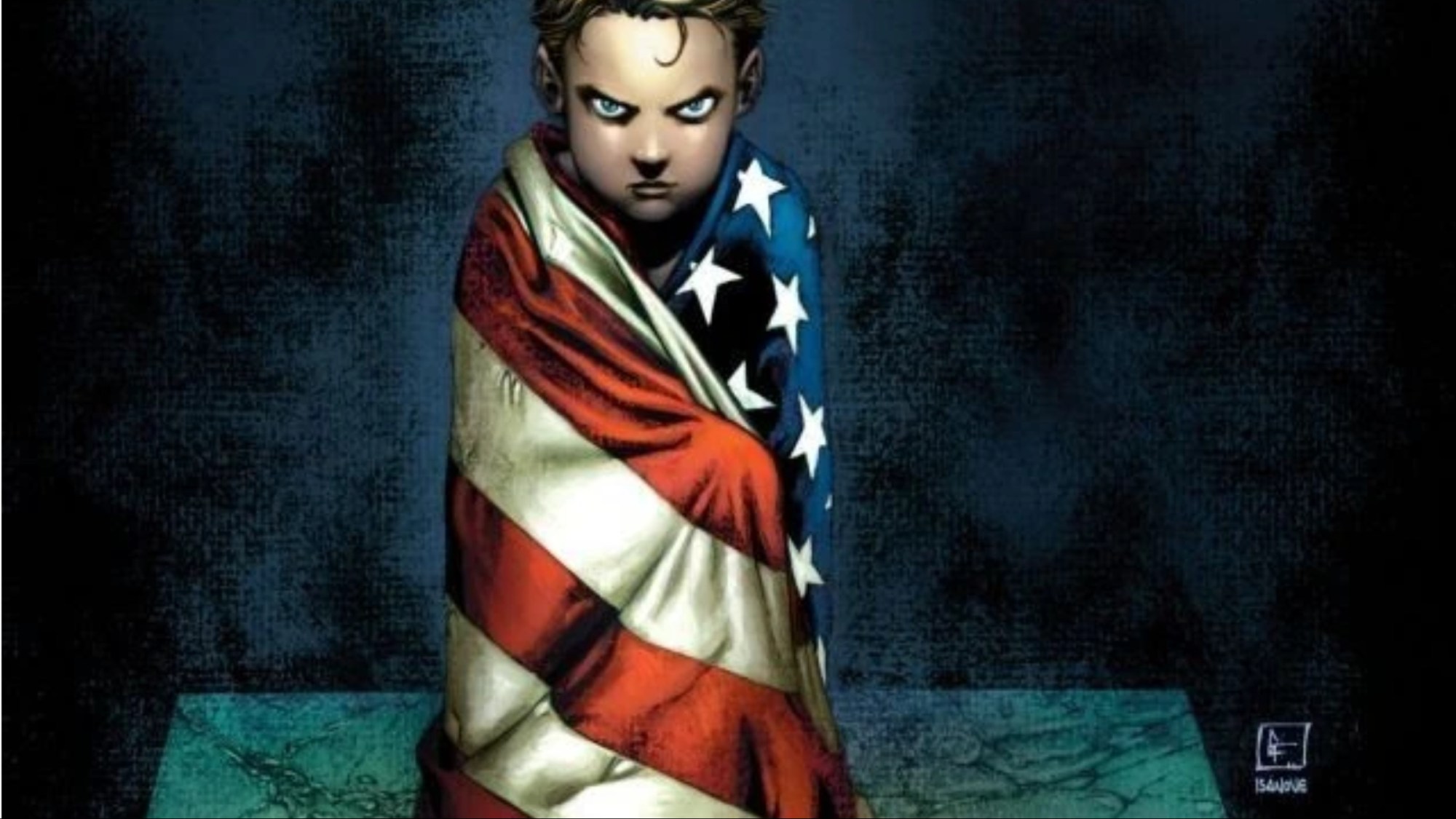
At its core, Supreme Power tells the story of Hyperion, a boy transformed into a powerful weapon by a government intent on controlling superhuman forces. This narrative resonated deeply with readers following the events of September 11 and the subsequent Iraq War, as it tackled the complexities of national identity and the morality of state-sanctioned power. Hyperion’s journey is one of self-discovery, challenging the very narratives that shaped him.
The series also introduces a diverse range of characters, including Knighthawk, a wealthy African American hero opposing systemic racism, and Power Princess, who presents a more nuanced view of femininity and power. This character depth, combined with Frank’s striking artwork, contributed to the series’ acclaim, resulting in an impressive 18-issue run.
Despite its success, Marvel’s desire for broader appeal led to a significant shift. The series was abruptly transitioned into a mainstream format, diluting its mature themes. Fans were disappointed, as the promise of a thoughtful exploration of complex issues was overshadowed by a return to traditional superhero storytelling.
The Legacy of Supreme Power
Following the initial run, Supreme Power saw attempts at revival, notably through Ultimate Power, a crossover series featuring characters from the Ultimate Universe. Unfortunately, this later series failed to capture the same magic, marred by inconsistent artwork and a diluted narrative. The legacy of Supreme Power remains one of “what could have been,” with its initial concept offering a rich, layered examination of superhero lore.
As readers reflect on this iconic series, it serves as a reminder of the potential for superhero comics to explore significant societal issues. The 18 issues of Supreme Power stand as a testament to the creative vision of Straczynski and Frank, showcasing the heights Marvel could achieve when it embraced mature storytelling. While it may not have reached the heights of its contemporaries, it deserves recognition within the larger context of comic book history, inviting readers to revisit a series that dared to challenge the status quo.