Acute respiratory infections in children are experiencing significant changes in the wake of the COVID-19 pandemic, according to a new study published in *Pediatric Investigation*. Researchers from Wenzhou Medical University in China analyzed data from over 73,000 pediatric patients hospitalized with acute respiratory tract infections, revealing noteworthy shifts in pathogen interactions after public health restrictions were lifted.
The research, led by Dr. Hailin Zhang and Dr. Shunhang Wen, examined respiratory samples collected from March 2021 to February 2024. This period included phases before, during, and after major COVID-19 control measures. The findings highlight how the pandemic and associated restrictions altered the typical dynamics of respiratory pathogens among children.
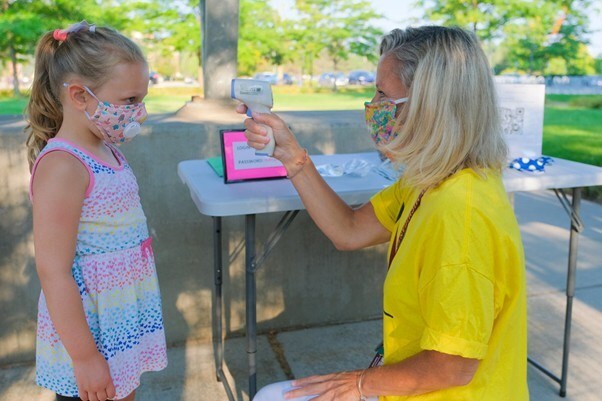
During strict non-pharmaceutical interventions, the detection rate of respiratory pathogens fell by more than 56%. This decline illustrated the effectiveness of measures such as mask-wearing, school closures, and limited social contact in curbing transmission. However, once these restrictions were lifted, the detection rates rebounded sharply by over 75%, with specific pathogens exceeding pre-pandemic levels.
The most significant increase was observed in Mycoplasma pneumoniae, a bacterium known for causing pneumonia in children. Its detection rate escalated from 5.29% during the pandemic to 34.78% afterward, making it the most commonly identified pathogen in the post-pandemic phase. Dr. Wen remarked, “We were surprised by how sharply Mycoplasma pneumoniae rebounded. This suggests that a large pool of susceptible children was created during the pandemic.”
New Dynamics of Pathogen Interactions
The study uncovered a complex web of interactions among pathogens. Following the pandemic, researchers noted stronger negative correlations between certain pathogens. For instance, the presence of one pathogen often coincided with reduced detection rates of another, a phenomenon known as pathogen interference. Notably, a consistent negative relationship was identified between the Influenza B virus and Mycoplasma pneumoniae.
Dr. Wen explained, “This pattern hints that infection with one pathogen may briefly suppress another, possibly through immune responses like interferon release.” This insight could help healthcare professionals anticipate changing dynamics during future respiratory infection outbreaks.
Despite certain limitations in the study, the researchers emphasized the need for continued surveillance of respiratory pathogens in the post-COVID era. Dr. Zhang stated, “In the post-pandemic era, respiratory pathogens are interacting in new ways, and public health systems need to be prepared for unexpected patterns of childhood infections.”
Implications for Future Public Health Strategies
The findings underscore the importance of tailoring future prevention strategies, including vaccinations and outbreak preparedness, to account for individual pathogens and their interactions within pediatric populations. The research highlights a crucial shift in respiratory infection patterns that could impact healthcare systems globally.
As the world transitions into a post-pandemic environment, understanding these new interactions among respiratory pathogens will be essential. Continued research and monitoring will play a vital role in safeguarding children’s health against respiratory infections in the future.