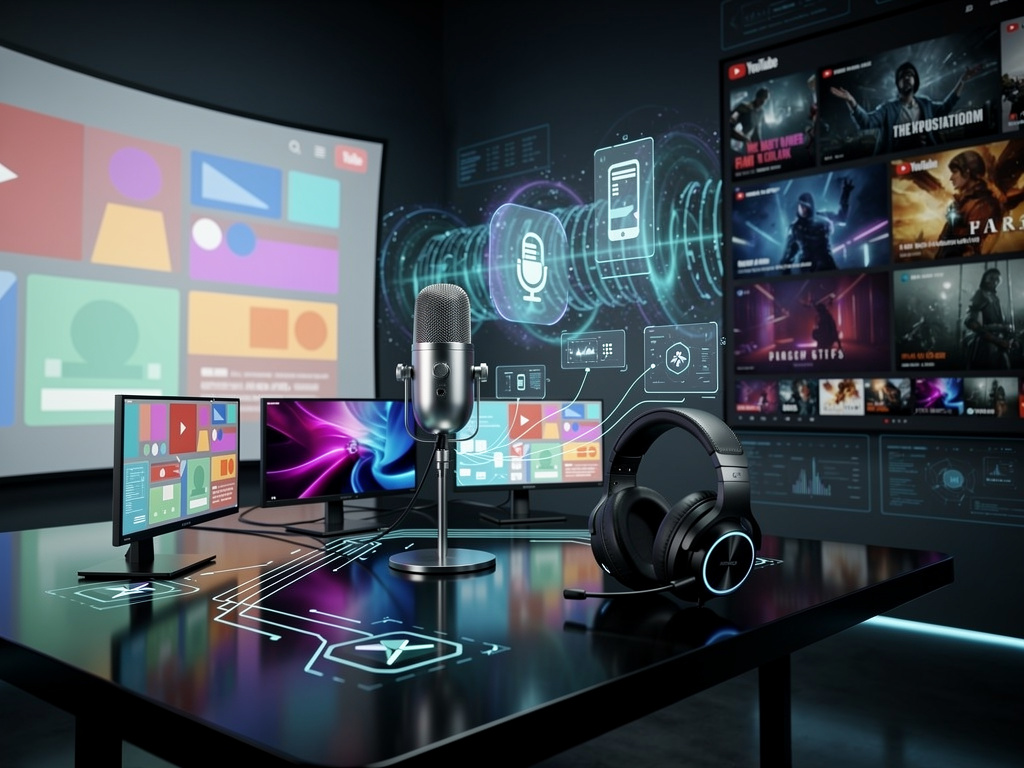
The podcasting landscape is undergoing a significant transformation as major platforms pivot towards video content in 2026. With YouTube taking the lead, traditional audio formats are evolving into dynamic visual experiences that appeal to a broader audience. This shift is not just enhancing viewer engagement but also changing how content is produced and monetized, marking a pivotal moment in the evolution of digital media.
Major Players Enter the Video Podcast Arena
YouTube has solidified its position as the dominant platform for video podcasts, capitalizing on a growing trend of viewers consuming longer-form content on connected televisions. According to recent data, over 400 million hours of podcasts are watched monthly on YouTube, reflecting a 30% increase year-over-year. Netflix, not to be outdone, is preparing to launch more than 33 new podcasts in 2026, integrating them into its existing streaming service. This strategic move is designed to challenge YouTube’s stronghold in a space that is increasingly vital for entertainment.
Meanwhile, Fox is exploring ways to bring podcast-style programming into the mainstream, further intensifying the competition among these major players. Industry experts are closely monitoring these developments as they could redefine daily viewing habits. The question arises: will video podcasts become the new standard for television consumption?
Shifts in Content Creation and Viewer Engagement
With the rise of video podcasts, content creators face both opportunities and challenges. As reported by TechCrunch, Netflix’s approach involves securing exclusive deals with podcast studios, positioning itself to attract top creators away from established platforms. However, this shift raises concerns among podcasters regarding creative control and platform exclusivity. The landscape is shifting, and figures such as Charlamagne Tha God are making the jump to Netflix, indicating a notable migration of talent.
As video elements are increasingly integrated into podcasts, storytelling is becoming richer and more engaging. This transformation is highlighted by the collaboration between Netflix, Spotify, and other platforms to produce diverse content, a move that has generated considerable discussion on social media. Many industry insiders express optimism about the potential for podcasts to scale up to television-level audiences, particularly as YouTube already leads in overall streaming dominance.
Trends are emerging that suggest the multimedia shift will continue to accelerate. The integration of artificial intelligence (AI) in production processes and a focus on interactive elements may change how audiences engage with content. The potential for AI-driven personalization could allow for real-time customization of podcast episodes, enhancing viewer experience.
Despite the excitement surrounding these changes, concerns persist. Podcasters worry that exclusive content deals could limit their reach, and the higher production costs associated with video may hinder smaller creators from competing effectively. As observed in reports from Business Insider and DNYUZ, the move towards video is inevitable, but the implications for smaller players in the podcasting space remain uncertain.
The shift towards video podcasts reflects broader changes in media consumption patterns. With streaming platforms overtaking traditional cable in viewing hours, audiences are spending more time engaging with content on platforms like YouTube and Netflix. As the landscape evolves, traditional media formats are being challenged by innovative digital content, leading to a more dynamic and engaging viewing experience.
Looking ahead, the competition between YouTube, Netflix, and Fox will likely shape the future of podcasting and video content. As these platforms innovate and adapt, the lines between podcasts and traditional television continue to blur, promising an exciting future for digital entertainment.