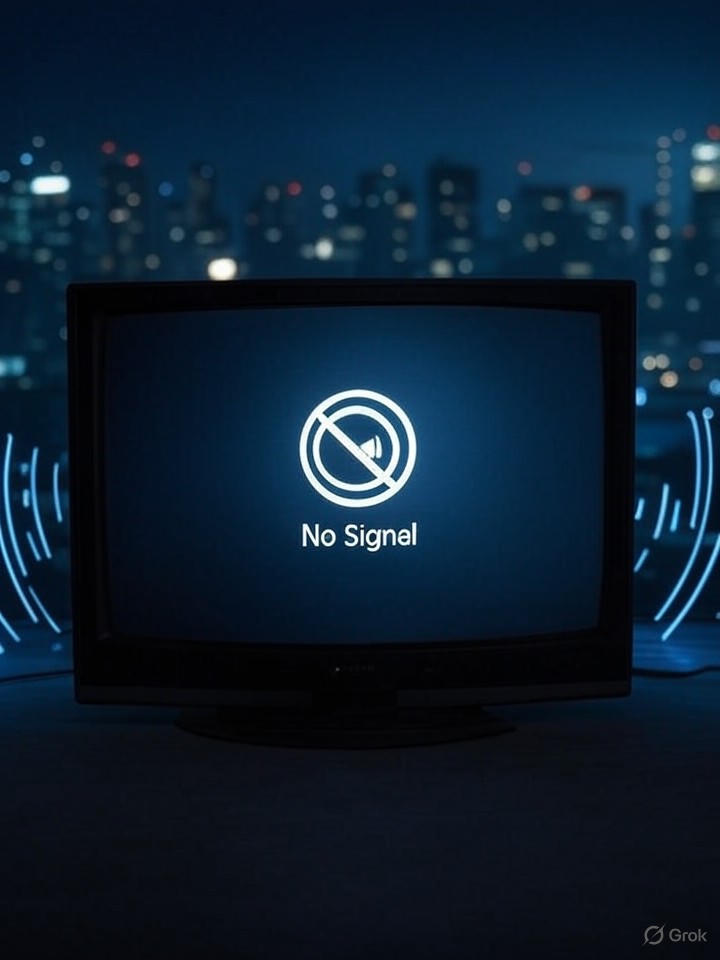
The ongoing blackout of Disney-owned channels on YouTube TV began on October 31, 2025, disrupting access to popular networks including ESPN and ABC. This dispute arose from failed contract negotiations between Alphabet Inc.‘s YouTube and The Walt Disney Company, marking a significant moment in the evolving landscape of streaming television. The blackout coincides with critical events, such as college football season and major political coverage, leaving millions of subscribers frustrated.
The heart of the issue lies in carriage fees—payments that distributors like YouTube TV make to content providers like Disney for the right to carry their channels. Disney has pushed for increased fees to offset rising production costs and the value of its live sports content. In contrast, YouTube TV argues that such increases would necessitate higher subscription prices for users already burdened by escalating costs.
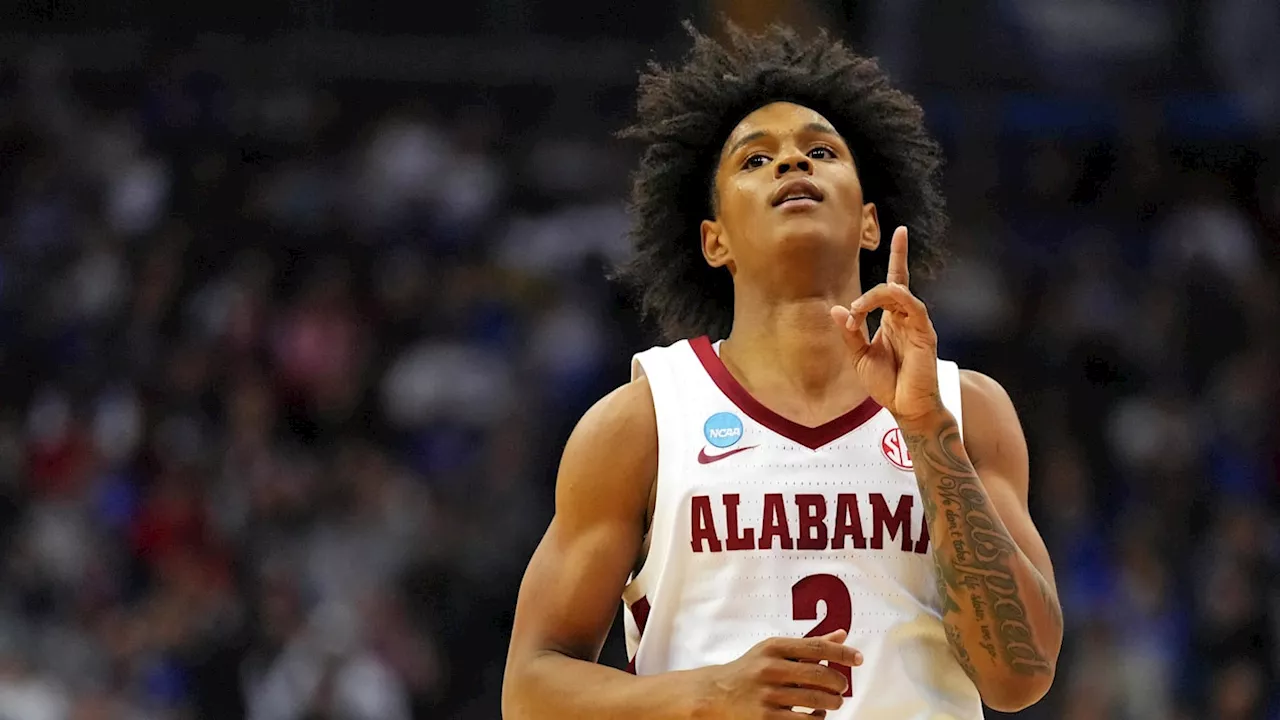
As the blackout drags into its second week, both parties remain entrenched in their positions. Disney offered to temporarily restore ABC for election coverage on November 4, but YouTube declined, insisting on a comprehensive deal instead, as reported by the Los Angeles Times. This impasse has left sports fans without access to key programming, amplifying dissatisfaction among users who rely on YouTube TV for its mix of live broadcasts and on-demand offerings.
Subscriber Backlash and Competitor Gains
The consumer response has been swift and vocal. A recent survey highlighted in Variety revealed that approximately 24% of YouTube TV subscribers have canceled or plan to cancel their subscriptions due to the loss of essential sports programming. Social media platforms, particularly X (formerly Twitter), are filled with complaints, as users express intentions to switch to competitors like Sling TV or FuboTV.
Data from Business Insider indicates significant spikes in app usage for these alternatives, with some reporting increases exceeding 35%. This migration underscores the fragile loyalty in the streaming market, where content accessibility can determine customer retention. In response, YouTube TV has reduced its monthly price from $72.99 to $52.99 and is offering a $20 credit if a deal is not reached by November 9, seeking to retain subscribers during this tumultuous period.
Behind the scenes, negotiations continue, but optimism is waning. A memo from Disney executives cited in the Hollywood Reporter suggested that the blackout could persist through at least the weekend of November 8-9, further frustrating fans who are seeking alternatives during high-stakes college basketball and NFL matchups. YouTube has proposed a piecemeal reinstatement of channels, but Disney has rejected these offers, insisting on a full agreement before any channels are restored.
Industry Implications and Future Outlook
Historically, similar disputes have often resolved within weeks, though some have extended longer due to the complexities of ego and economics at play. The 2024 DirecTV-Disney dispute, which resulted in blackouts during major events, concluded following public pressure and regulatory scrutiny. As USA Today highlights, this current blackout occurs amid a significant shift in sports media rights, with tech companies increasingly vying for dominance, thereby giving Disney leverage due to ESPN’s prominence in live sports.
Financially, the stakes are high. On November 7, Alphabet’s stock experienced a 2.6% decline, reflecting investor concerns regarding potential subscriber losses. Disney may also face substantial revenue impacts from lost advertising impressions and affiliate fees, which could amount to tens of millions weekly. Analysts warn that this situation could accelerate trends of cord-cutting, pushing viewers toward over-the-top services or even piracy, as discussions on social media reflect users sharing potential workarounds.
ESPN personalities have attempted to connect with fans directly, urging them to pressure YouTube TV for resolution. However, many subscribers express frustration toward both parties, perceiving greed as a significant factor in the dispute. While YouTube has criticized Disney’s inflexible demands, Disney counters that YouTube is undervaluing premium content, supported by industry insiders noting rising rights costs for events like the College Football Playoff.
Looking ahead, experts suggest that a deal could be reached by mid-November to salvage the holiday sports lineup. Ongoing talks indicate a willingness from YouTube for flexible terms, but if the stalemate continues, it could lead to lawsuits or class-action claims from subscribers, although such outcomes are rare. This situation serves as a reminder of the evolving nature of carriage disputes, as Disney’s demands for higher fees reflect the premium placed on live content, while YouTube’s resistance signifies a broader challenge against outdated cable pricing models.
Ultimately, the real losers in this scenario are the fans, as one user on X aptly noted, “Greedy corporations ruining the game.” As negotiations progress, the blackout highlights the ongoing battle for viewer attention and the importance of consumer sentiment in the rapidly changing media landscape.