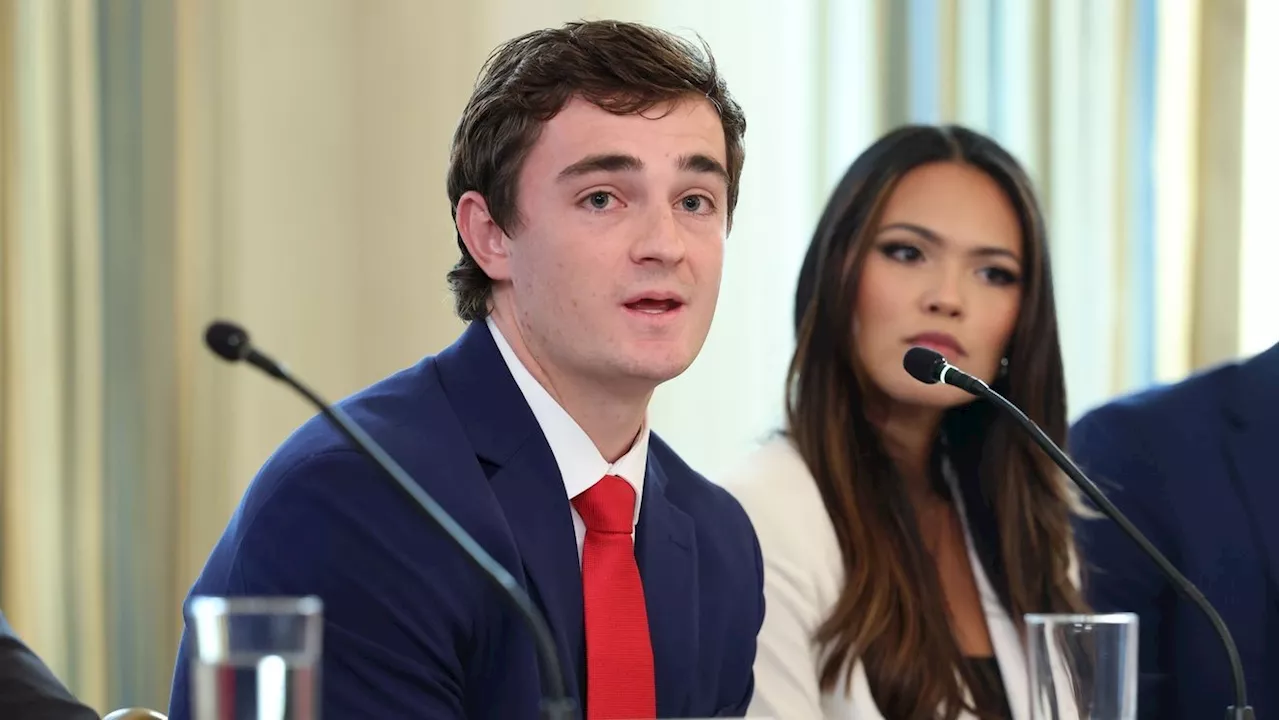
A recent investigation by conservative YouTuber Nick Shirley has brought renewed attention to what authorities describe as one of the largest alleged social services fraud schemes in Minnesota’s history. The investigation highlights claims of fraudulent activities in the non-emergency medical transportation sector, with estimates suggesting that taxpayers may have lost as much as $9 billion in fraudulent claims.
Shirley’s video, released on October 8, 2025, investigates a network of transportation companies that allegedly billed the state for rides that never occurred. He presents evidence gathered from visits to addresses listed on official state paperwork for various transportation providers. Many of these locations were found to be unrelated to medical transport services, including liquor stores, money transfer businesses, and private residences.
In the video, a Minnesota resident named David expressed concerns about the extent of the alleged fraud, stating, “What I think might be the heart of the beast here is this transportation fraud.” Shirley captures several exchanges where individuals at the listed addresses claim they have never heard of the transportation companies named in state records, which he suggests indicates widespread misuse of public funds.
These allegations are part of broader investigations into Minnesota’s social services system, which has faced scrutiny for fraud involving food assistance programs and childcare providers. Although state and federal authorities have acknowledged systemic oversight failures, not all claims raised in Shirley’s video have been independently verified.
A significant aspect of the alleged fraud involves businesses owned by members of the Somali community. According to Shirley, Somali entrepreneurs reportedly own as much as 90 percent of the non-emergency medical transportation companies in Minnesota. This focus has sparked controversy, with some members of the community accusing Shirley of targeting a specific group. In contrast, Shirley maintains that his investigation is centered solely on uncovering fraudulent practices.
The political ramifications of these allegations are considerable. The Somali community holds substantial political influence in Minnesota, leading critics to question whether political considerations have contributed to delayed oversight or enforcement actions. Shirley’s video suggests connections between individuals implicated in previous fraud cases and notable political figures, including Minneapolis Mayor Jacob Frey, Rep. Ilhan Omar, and Gov. Tim Walz.
Recently, Tim Walz announced he would not seek re-election due to his inability to commit fully to another campaign. Critics have linked this decision to increasing pressures concerning the state’s handling of social services fraud, although Walz has not directly associated his choice with the ongoing scandal.
Shirley is scheduled to testify before Congress next week regarding his findings and the extent of the alleged fraud within Minnesota’s social services programs. His testimony may prompt renewed federal scrutiny of the case, potentially impacting ongoing investigations.
As the situation develops, many will be watching how state officials respond to the allegations and what further revelations may arise from Shirley’s investigation. The implications of this case extend beyond Minnesota, touching on issues of accountability, oversight, and the integrity of public service programs.