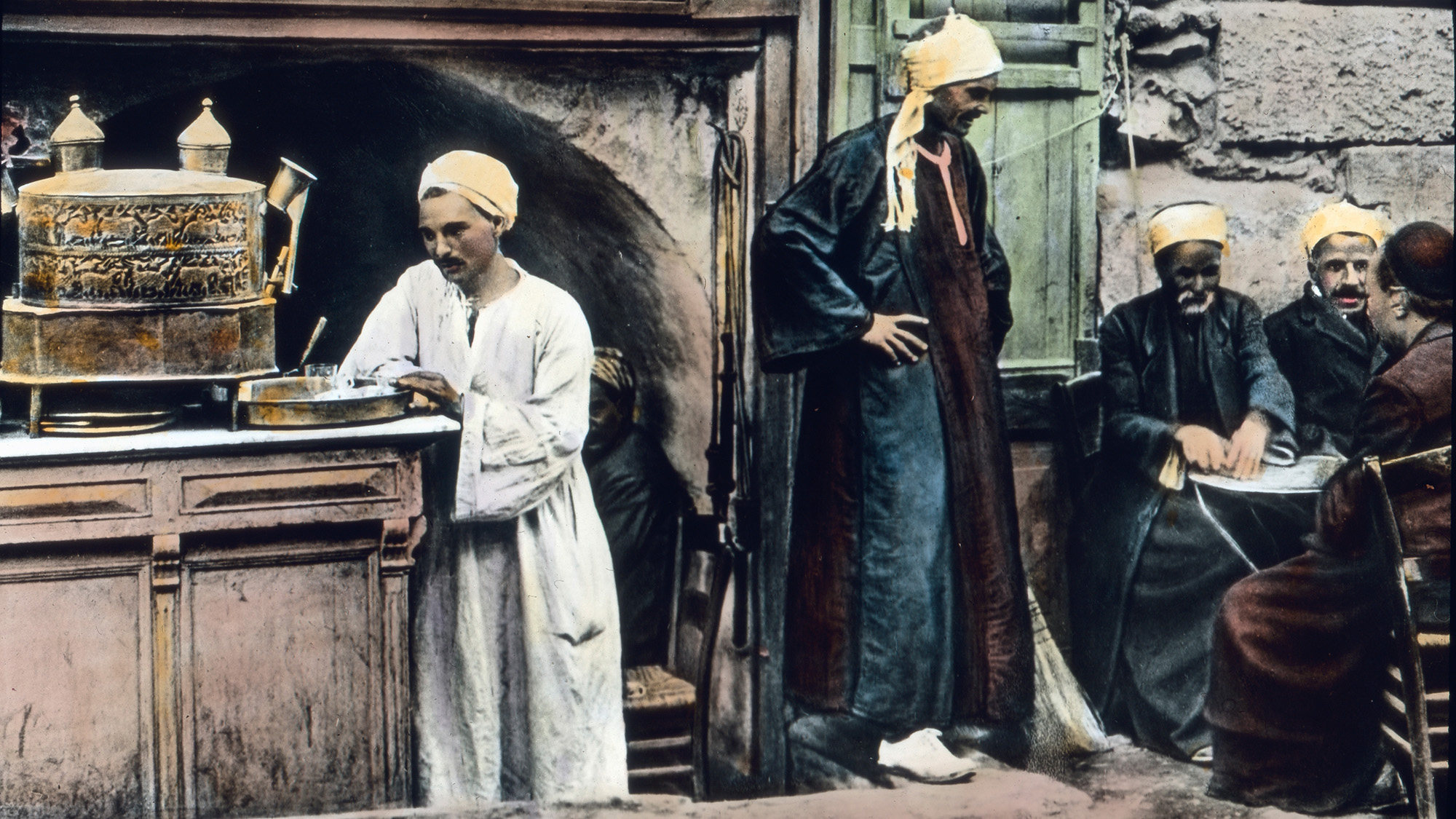
Coffee, a staple in many cultures worldwide, has a tumultuous history marked by attempts to suppress its consumption. While today it is widely enjoyed, there was a time when drinking coffee was illegal or even punishable by death. This article explores significant episodes in history when authorities sought to ban coffee, revealing the underlying fears and concerns that motivated these prohibitions.
Mecca’s Early 16th Century Ban
In the early 1500s, coffee made its way to Mecca, where it quickly gained popularity. Coffeehouses emerged, attracting locals and pilgrims alike. However, this newfound enthusiasm led to suspicion among officials. In 1511, the Meccan official Kha’ir Beg summoned scholars to discuss the potential dangers of coffee. He argued that it harmed the body, intoxicated the mind, and encouraged social gatherings that could lead to unruly behavior.
Kha’ir Beg’s campaign resulted in the closure of coffeehouses, the burning of coffee beans, and the punishment of coffee drinkers. He even reported his actions to Sultan Al-Ashraf Qansuh al-Ghuri, who ultimately countered with a royal edict. While public consumption was curtailed, private drinking remained permissible, allowing Meccans to eventually return to their coffee rituals.
The Ottoman Empire’s Draconian Measures
More than a century later, in the heart of the Ottoman Empire, the situation took a drastic turn under Sultan Murad IV. He perceived coffeehouses as breeding grounds for rebellion, having been installed on the throne due to such uprisings. In the 1630s, he implemented a ban on coffeehouses in Istanbul, enforcing the death penalty for anyone caught drinking coffee in public.
Murad IV’s approach was particularly brutal. Historical accounts recount that he would disguise himself and patrol the streets, executing anyone found indulging in coffee. His reign exemplified a fear of social gatherings and the potential political dissent brewing within the walls of coffeehouses.
Sweden’s Repeated Bans
As coffee spread across Europe in the 17th century, it faced scrutiny similar to that in the Middle East. King Gustav III of Sweden displayed a notable distrust towards the beverage. He reportedly banned coffee multiple times, issuing five distinct prohibitions between 1756 and 1817.
One account suggests he conducted a peculiar medical experiment on twin convicts to assess coffee’s effects. While the story may be apocryphal, the bans were rooted in economic concerns, primarily related to trade deficits caused by coffee imports. Law enforcement took the matter seriously, arresting and fining individuals who defied the coffee bans.
Prussia’s Coffee-Sniffers
In 1777, Frederick the Great of Prussia voiced his disdain for coffee, claiming it was contributing to a financial drain on the country. His solution was to create a royal coffee monopoly, forbidding importation and private roasting. This led to a rise in smuggling and the establishment of a unique enforcement unit known as the “Kaffeeschnüffler,” or coffee-sniffers.
These individuals, often war veterans, roamed the streets, using their sense of smell to identify illicitly brewed coffee. Those caught faced hefty fines, with a portion of the fine going to the sniffer who made the discovery. Frederick’s measures highlight the lengths to which authorities would go to control coffee consumption.
Today, the notion of banning coffee seems archaic. Scientific research has largely dispelled fears regarding its health effects. Instead, the focus has shifted to economic challenges, such as fluctuating prices due to tariffs and climate change affecting the coffee market. History illustrates humanity’s deep connection to coffee, a beverage that has inspired both camaraderie and fear throughout the ages.