Bayer Crop Science is not prepared to abandon its glyphosate business, according to George Gough, the company’s director of stakeholder relations. Speaking at the annual meeting of the American Sugarbeet Growers Association (ASGA) on January 28, 2024, Gough emphasized that while a future exit from the glyphosate market may be possible, significant developments must occur before such a decision is made.
One critical factor influencing Bayer’s stance is the upcoming ruling by the U.S. Supreme Court in the case of Monsanto Company v. Durnell. The court agreed to hear the case earlier this month, and Gough stated that Bayer intends to argue it has adhered to established laws and standards by not including a cancer warning on glyphosate products. This is based on the approval received from the Environmental Protection Agency (EPA) under the Federal Insecticide, Fungicide, and Rodenticide Act.
Ongoing Legal Battles and Future Outlook
The ASGA meeting included discussions on various agricultural topics, with crop protection and the future of glyphosate taking center stage. Gough highlighted Bayer’s ongoing engagement with policymakers to seek clarity on legal matters beyond the courtroom, manage existing cases, and develop new formulations for the U.S. market. He noted that the company has publicly acknowledged spending more than $12 billion on lawsuits related to glyphosate.
“There comes a time when as a business you have to really question if this is something viable to do,” Gough remarked. Glyphosate has been utilized since the mid-1970s when it was introduced by Monsanto—acquired by Bayer in 2018—as the active ingredient in its popular Roundup herbicide. While glyphosate remained largely uncontroversial for decades, the landscape shifted dramatically in 2015 when the International Agency for Research on Cancer (IARC) classified it as a probable carcinogen.
Despite this classification, Gough pointed out that other reputable organizations, including the World Health Organization and various regulatory authorities, have not supported IARC’s conclusions. The IARC’s findings have spurred trial lawyers, notably including Robert F. Kennedy Jr., who currently serves as Secretary of Health and Human Services, to pursue legal actions against glyphosate.
Bayer has faced significant setbacks in court; however, Gough indicated that the company has also achieved victories. With a record of 15 wins and 11 losses in 26 trials, he noted a common theme among the successful cases: “When we win, it’s because the court actually allows us to submit the science there.”
Impact on Agriculture and Future Innovations
The scientific evidence continues to favor Bayer’s position, with no conclusive data linking glyphosate to cancer. Gough acknowledged, however, that the Supreme Court’s decision could greatly influence the ongoing tide of lawsuits. Thousands of claims against Bayer—primarily from residential users rather than agricultural or commercial users—remain in the legal system.
He stressed that if Bayer were to exit the glyphosate sector, it would not eliminate the product altogether, as the sole other manufacturer is located in China. “We might have to eventually exit the glyphosate business. And that would be a bad day, not just for Bayer, but for growers in the United States,” Gough stated.
Additionally, the ongoing litigation surrounding glyphosate creates a precedent that could lead trial lawyers to target other pesticides, thereby discouraging companies from investing in the development of new agricultural solutions. “How do I know 40 years from now I’m not going to get sued and set back that much more?” he questioned.
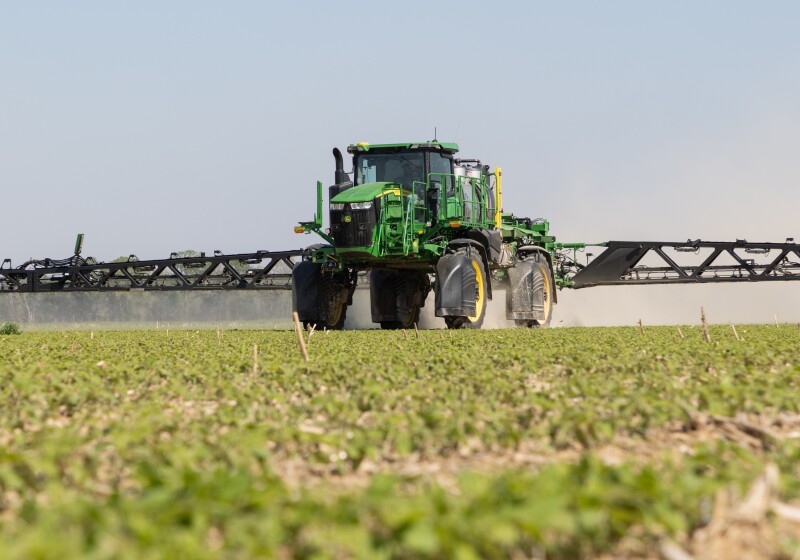
Luther Markwart, CEO and executive vice president of the ASGA, mentioned the association’s efforts to prepare an amicus brief in relation to the Supreme Court case. The advancement of Roundup Ready sugarbeets, which allows for glyphosate application on emerged beets, represents a significant milestone in weed management for the sugarbeet industry.
As Bayer navigates these complex legal waters, its future in the glyphosate market remains uncertain. The company continues to advocate for its product while addressing the challenges presented by ongoing litigation and regulatory scrutiny.