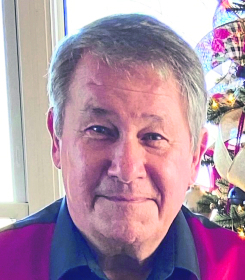
Former U.S. Senator Ben Sasse has publicly announced his diagnosis of stage 4 pancreatic cancer, a condition recognized for its aggressive nature and high mortality rate. Sasse disclosed this news on December 5, 2023, during a heartfelt statement that resonated deeply within both the political and academic communities. The announcement has sparked an outpouring of support from colleagues, friends, and the public, highlighting the profound impact of his situation.
In his statement, Sasse expressed a mixture of vulnerability and determination. He acknowledged the severity of his condition, referring to advanced pancreatic cancer as a “death sentence.” Despite this grim reality, he emphasized his commitment to fighting the disease, drawing strength from his faith and family. His approach serves as a poignant reminder of both the fragility of life and the importance of resilience in the face of adversity.
Sasse’s diagnosis signifies that the cancer has disseminated to distant organs, necessitating aggressive treatment. Statistics regarding pancreatic cancer underscore the seriousness of his situation; the median age for diagnosis hovers around 70 years, with many cases detected at advanced stages due to a lack of early symptoms. In the United States alone, it is estimated that over 64,000 people will receive a pancreatic cancer diagnosis this year, with a significant proportion succumbing to the disease.
The former senator’s journey into the academic sphere began after he resigned from the Senate in January 2023 to take on the presidency of the University of Florida. His decision to step down from this role in mid-2024 was motivated by a desire to prioritize family during this challenging time. In his statement, he articulated the profound love he holds for his family, underscoring their importance as a source of strength as he navigates his health issues.
Sasse’s candidness about his diagnosis has not only provided insight into his personal struggles but has also educated the public on the complexities associated with pancreatic cancer. He mentioned advancements in medical science, particularly in immunotherapy, which may offer hope for patients facing similar diagnoses. As the Christmas season approaches, he noted the significance of hope and the power of faith in maintaining a positive outlook.
In discussing the realities of his condition, Sasse reflected on the support from his family, especially his wife and children. His willingness to share his experience has encouraged others to engage with the challenges of pancreatic cancer and has sparked a broader conversation about the need for increased research and early detection measures.
The response to Sasse’s announcement has been one of solidarity. Numerous individuals have reached out to express empathy and support, highlighting the essential role of community during difficult times. His commitment to confronting the disease head-on serves as an inspiration for those facing similar health challenges.
As Sasse continues to navigate this difficult journey, his words resonate with a message of strength and hope. His story illustrates the resilience of the human spirit and the importance of support networks in overcoming life’s formidable challenges.