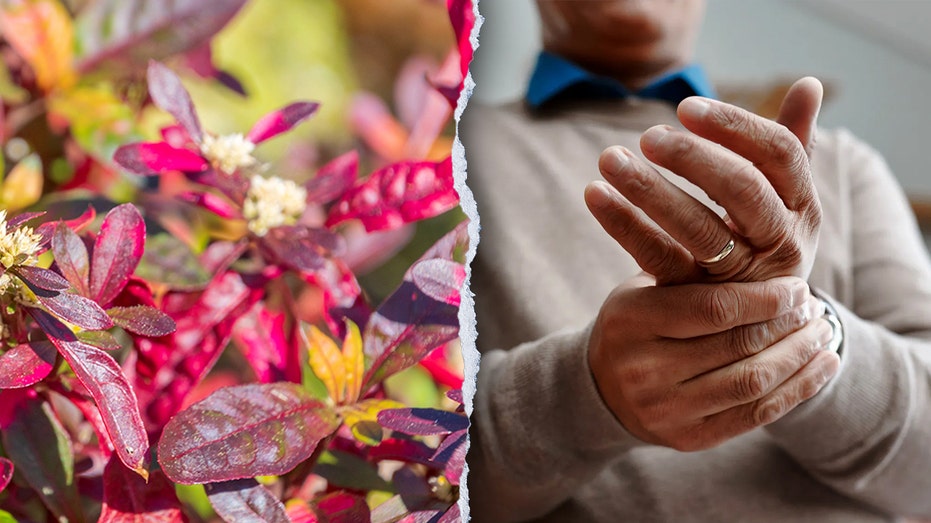
Research from Brazil has unveiled the potential of a traditional plant, known as Joseph’s Coat (Alternanthera littoralis), to alleviate symptoms associated with arthritis and other inflammatory conditions. This finding, published in the Journal of Ethnopharmacology, highlights the plant’s efficacy in laboratory studies, where it demonstrated a reduction in swelling and protection of joint tissue.
Joseph’s Coat, which grows along the Brazilian coast, has been utilized in local communities for its anti-inflammatory properties. Despite its historical use, scientific validation of its effectiveness had been lacking until now. A team of researchers from various institutions, including the Federal University of Grande Dourados, the State University of Campinas, and São Paulo State University, conducted comprehensive studies to explore its medicinal benefits.
Scientific Findings on Joseph’s Coat
The research team analyzed the chemical composition of the plant’s above-ground stems and leaves. They prepared an ethanolic extract, using alcohol to isolate the active compounds. In arthritis lab models, the extract significantly reduced visible swelling. According to Arielle Cristina Arena, an associate professor at the Institute of Biosciences at UNESP, the experimental models showed “reduced edema, improved joint parameters, and modulation of inflammatory mediators, suggesting antioxidant and tissue-protective actions.”
The findings indicate that the extract influenced inflammatory pathways and oxidative stress, both of which can lead to tissue damage during chronic inflammation. Animals treated with the extract exhibited less swelling and healthier joint tissue compared to untreated controls, suggesting that these effects could translate to human applications.
Implications for Future Treatments
While the results are promising, researchers caution that the study was conducted using animal models, and thus the findings cannot be directly applied to human patients. The team emphasized that modern arthritis medications, although effective, often come with side effects that can limit long-term usage. Natural compounds like Joseph’s Coat might offer alternatives or enhancements for future therapies.
The research also included toxicology tests to assess safety. At the doses examined, the plant extract did not produce harmful effects in laboratory animals, indicating a favorable safety profile. Nevertheless, the study focused on a specific extract prepared under controlled conditions, raising concerns about the variability of strength and safety in store-bought or homemade versions.
To further substantiate these findings, additional research is necessary to isolate the active ingredients responsible for the anti-inflammatory effects. The current study does not specify which compounds in Joseph’s Coat contribute to its efficacy, making it challenging to standardize doses or predict long-term outcomes. As the scientists concluded, a series of further studies is required to identify these compounds, assess long-term safety, and eventually conduct clinical trials in humans.
This research marks a significant step toward understanding and potentially harnessing traditional medicinal plants for modern therapeutic use, opening avenues for innovative treatments for arthritis and related inflammatory conditions.