A new study conducted in Brazil reveals a significant link between peer victimization and increased reports of depressive symptoms among adolescents. This research, organized by the Ministry of Health, involved data from over 100,000 Brazilian adolescents and highlights the pressing need for effective anti-bullying measures in schools to support mental health.
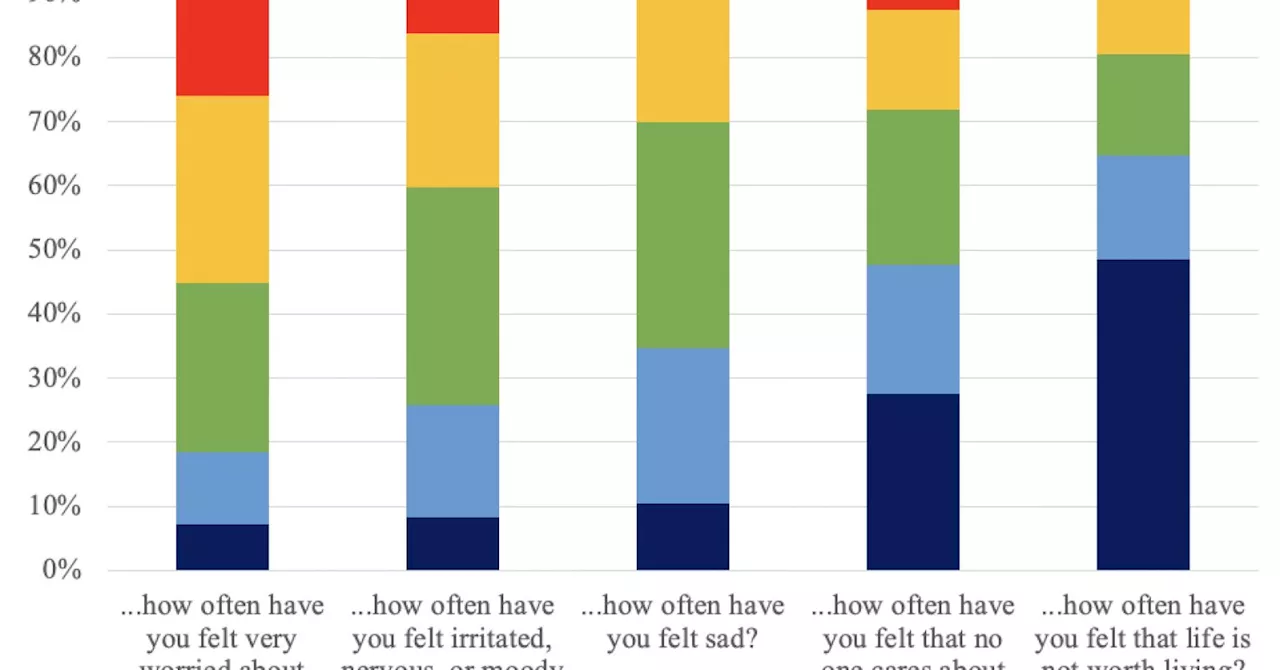
The study assessed a large cohort of 165,000 adolescents randomly selected across Brazil, focusing on various aspects of physical and mental health. Researchers aimed to clarify the correlation between experiences of victimization at school and the prevalence of depressive symptoms among the youth. The analysis specifically looked at how often students reported feelings of “sadness” and “moodiness,” along with other serious indicators of mental distress.
Most participants indicated that they experienced depressive symptoms “never,” “rarely,” or “sometimes,” suggesting that, overall, a significant portion of adolescents do not report severe mental health issues. Similarly, the majority of respondents reported no instances of peer victimization in the previous month, which is a positive sign. Yet, the study raised concerns about the 13 to 40 percent of youths who did experience victimization.
Researchers found that peer victimization accounted for an additional 34.41 percent of the differences in depressive symptoms among adolescents. This means that experiences of bullying and teasing are critical factors influencing mental health, significantly impacting how students feel about themselves and their well-being. The findings align with previous research that indicates the long-lasting effects of bullying on mental health.
The study emphasizes the importance of school environments in shaping adolescent mental health. It suggests that students attending schools with lower rates of victimization are less likely to report feelings of depression. This correlation indicates that efforts by teachers and school staff to reduce bullying can lead to improved mental health outcomes for students.
Josafa da Cunha, a Professor of Educational Psychology at the Federal University of Paraná and coordinator of the Interagir Lab, emphasizes the importance of understanding these dynamics. He notes that while many adolescents experience minimal victimization and few depressive symptoms, those who do often face both challenges simultaneously.
Future research aims to explore how positive school environments, characterized by supportive teacher-student relationships and a nurturing classroom climate, can help mitigate the negative impact of peer victimization. Previous studies have suggested that such factors can protect young people from the mental health consequences of bullying.
The ultimate takeaway from this study is clear: creating safer school environments can lead to lower rates of depression among students. As educators and administrators continue their efforts to combat bullying, these findings offer a hopeful perspective on the potential benefits of fostering positive social interactions among peers.
In conclusion, while many Brazilian youths report few depressive symptoms and limited experiences with victimization, understanding and addressing the issues affecting the 13 to 40 percent who face bullying is crucial. Every young person deserves a safe space to learn and thrive, and ongoing research will contribute to better strategies for ensuring their well-being.