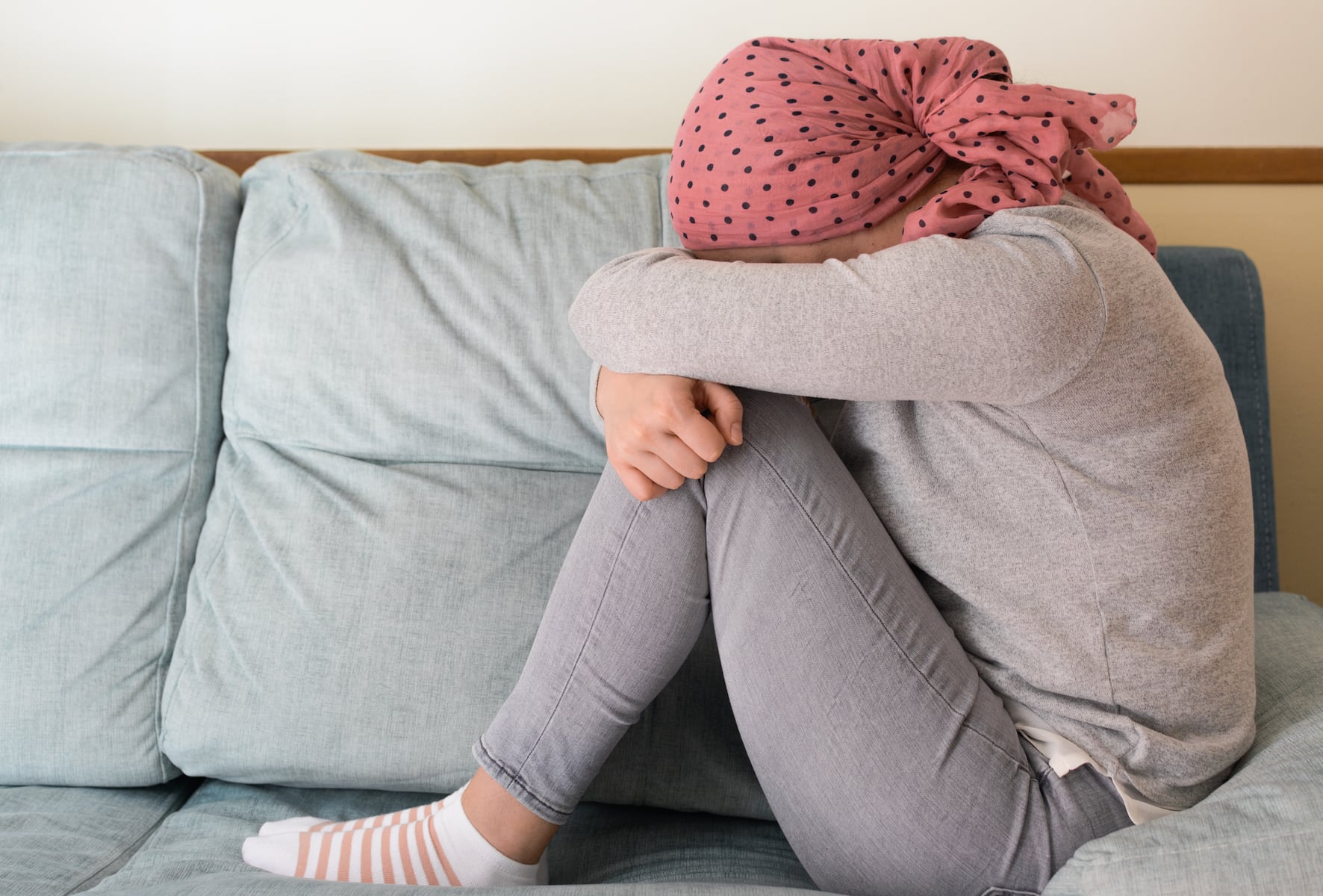
A breast cancer survivor has opened up about her ongoing struggle with depression, highlighting the emotional toll that the disease and its aftermath can take on individuals. After undergoing surgery and radiation treatments, she is officially classified as a “survivor” by her oncologists. Despite this label, she grapples with feelings of sadness and isolation that continue to overshadow her recovery.
Survivorship and Emotional Struggles
The survivor, who prefers to remain anonymous, shared her experience in a letter addressed to advice columnist Annie Lane. She expressed that while she has completed medical treatments and is expected to take medication for the next ten years, the emotional scars remain. “I don’t feel like a ‘survivor,'” she stated, emphasizing that the term does not account for the fear of recurrence or the side effects of her ongoing treatment.
Despite her daily efforts to maintain a routine—getting up, showering, and brushing her hair—the emotional weight of her diagnosis has led her to feel isolated. “The worst thing to me about cancer is that I can’t talk to anyone because I’ve gone from an actual person with thoughts and interests to people only wanting to know about the cancer,” she lamented. This sentiment reflects a broader concern among those who have faced significant health challenges, where the focus often remains solely on the illness rather than the individual.
The Need for Open Conversations
In response to her letter, Annie Lane acknowledged the complexities of the survivor label. She emphasized that being a survivor does not negate the pain and fear associated with the journey. Lane encouraged the writer to communicate her feelings honestly, particularly to her healthcare providers, who need a comprehensive understanding of her situation.
“Healing doesn’t happen overnight. Give yourself permission to feel whatever comes and ask honestly for the support you need,” Lane advised.
The survivor’s experience resonates with many others facing similar battles. People often feel pressured to present a brave front, even when grappling with profound sadness or anxiety. Lane noted that emotions like depression should not be stigmatized, as they are natural responses to traumatic events. “Sad things should understandably make us sad—and maybe depressed,” she said, validating the emotional spectrum that accompanies serious health issues.
Additionally, the survivor’s letter highlights the need for more supportive environments in which individuals can express their feelings without fear of judgment. Many find themselves sidelined in conversations, often opting to say they are “fine” to avoid discomfort for others, which can further hinder their healing process.
Overall, the dialogue surrounding survivorship and emotional health is crucial. As individuals navigate their paths to recovery, acknowledging the ongoing challenges they face is essential for fostering understanding and support within communities.
In another letter, a different individual expressed a sense of shock and confusion over their impending divorce after 15 years of marriage. This letter also underlines the emotional difficulties faced by individuals coping with significant life changes, emphasizing the importance of open communication in relationships.
As these stories unfold, they serve as poignant reminders of the human experience in the face of adversity and the need for compassion and understanding in our interactions with one another.