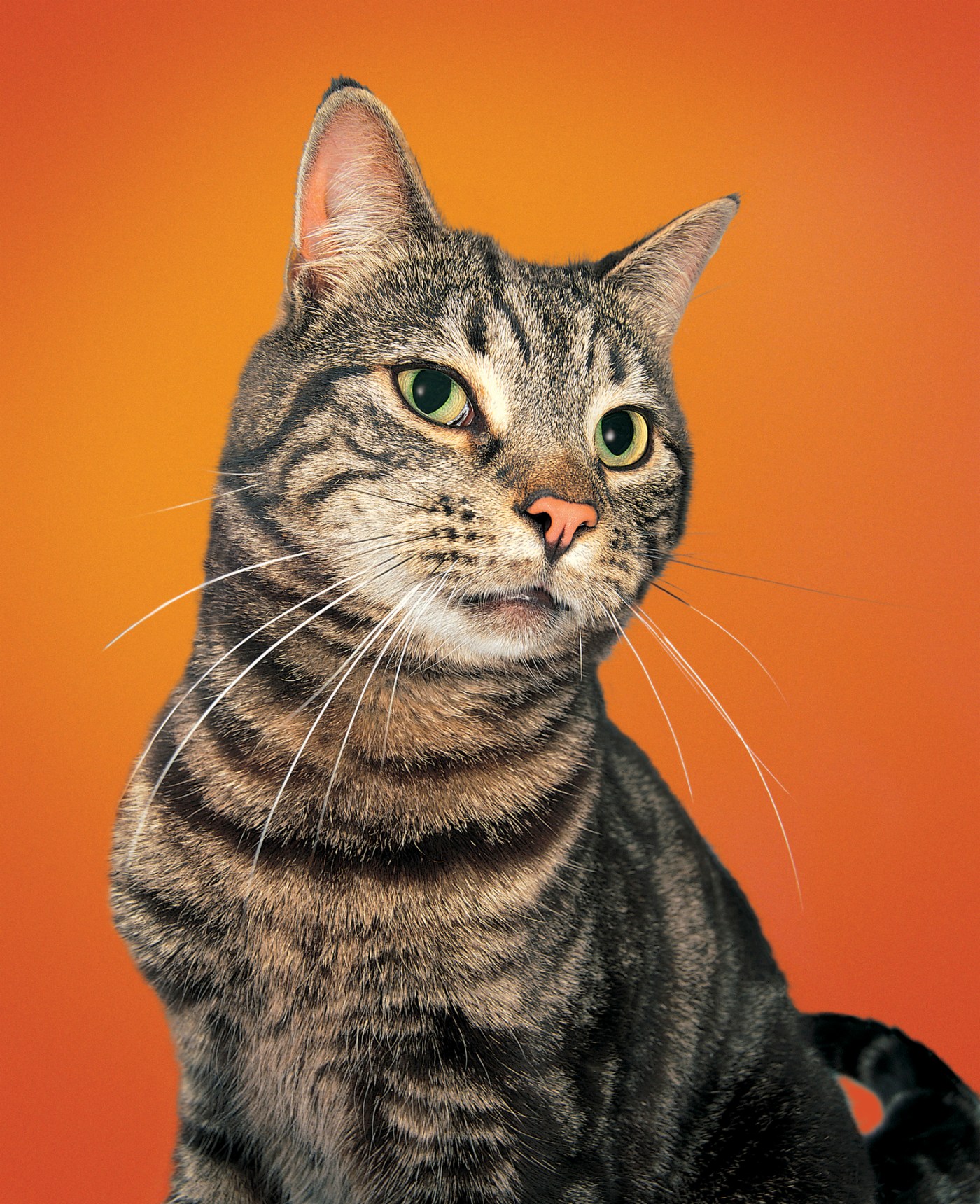
Cats can experience health issues that concern their owners, particularly when behaviors change suddenly. One cat owner recently sought advice regarding her two 10-year-old cats, Bill and Ted, who were reported to be in good health following their annual exams two months prior. The owner noted that one of the cats had developed intermittent sneezing, which had recently increased in frequency. The owner speculated that this might be related to exposure to composting materials in their environment.
Understanding the reasons behind a cat’s sneezing can help owners take appropriate action. According to Dr. John de Jong, President of the World Veterinary Association, there are several potential causes for increased sneezing in cats. While allergies are a possibility, they are typically accompanied by other symptoms such as itchy skin, watery eyes, and respiratory issues like wheezing or coughing.
In many cases, sneezing in cats is caused by respiratory infections, foreign objects lodged in the nasal passages, or irritants present in their surroundings. In the case of Bill, it is plausible that the composting materials may contain irritants or even small foreign bodies that could be causing the sneezing.
What to Monitor and Possible Tests
Pet owners should be vigilant for additional symptoms that could indicate a more serious issue. Signs to monitor include nasal discharge, swelling of the nose, decreased appetite, or a drop in energy levels. If these symptoms appear, further investigation may be necessary.
Dr. de Jong recommends a practical first step: removing the composting materials from the cat’s environment. If the sneezing persists after this change, the veterinarian may consider further diagnostics. This could include radiographs or an endoscopy of the nasal passages, along with blood tests to check for signs of infection.
Given that the overall health of Bill and Ted appears stable, Dr. de Jong is optimistic that the sneezing may not indicate a serious health concern. He expressed hope that the issue could be resolved relatively easily.
Pet ownership can sometimes lead to puzzling situations, but with careful observation and timely action, owners can ensure their feline companions remain healthy and comfortable. As Dr. de Jong humorously noted, this situation could be viewed as Bill and Ted’s Excellent Adventure in navigating their health.
For further inquiries, Dr. de Jong can be contacted through the Boston Mobile Veterinary Clinic at 781-899-9994.