In a recent letter to the advice column Dear Abby, a concerned wife expressed her frustrations regarding her husband’s vaping habits, highlighting the potential health risks to both him and their grandchildren. The letter underscores a growing concern among families about the dangers associated with vaping, particularly when children are present.
Health Concerns Linked to Vaping
The letter writer, who remains anonymous, noted that her husband has been vaping in their home for seven years. Despite her efforts to present him with scientific evidence about the health risks, he continues to vape indoors and while driving their grandchildren in his truck. She stated, “I have printed reliable scientific information for him, yet his response is always, ‘I know, I’m sorry, I need to stop.’”
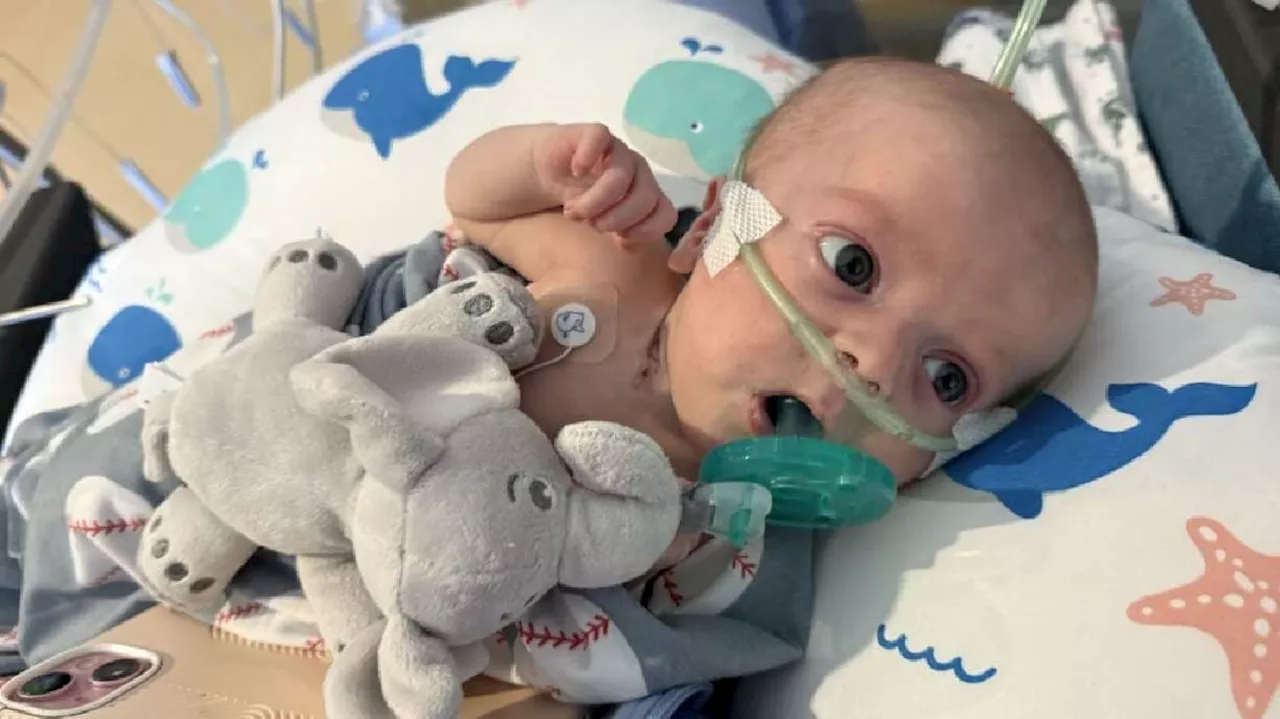
This scenario raises significant questions about the impact of secondhand vape exposure, especially on children. According to the American Lung Association, vaping can release harmful substances into the air, including nicotine, which can affect the health of those nearby. The organization emphasizes that children are particularly vulnerable to these toxins, which can lead to respiratory issues and other health complications.
The letter writer’s husband appears to be struggling with nicotine addiction, a common issue among those who vape. Abigail Van Buren, the creator of the column and known as Jeanne Phillips, suggested that the wife might consider setting boundaries by asking her husband to vape only outside the home. This approach could help create a healthier environment for their family.
Addressing Family Dynamics
Another important aspect raised in the letter pertains to the grandchildren’s parents. The writer questioned whether they are aware of the situation and how they feel about their children being exposed to vape smoke. It is crucial for families to communicate openly about vaping and its potential risks to children. Ensuring that all caregivers are informed can help in establishing clear rules regarding vaping in the presence of minors.
As the conversation around vaping continues to evolve, this letter serves as a reminder of the importance of awareness and responsibility in family settings. The issue of vaping is not just a personal choice; it affects the health and well-being of loved ones.
In her response, Van Buren also took a moment to remind readers about the upcoming transition to daylight saving time, urging them to turn their clocks forward by one hour. This change, occurring at 2 a.m. on Sunday, marks a shift toward longer days and the arrival of spring—a time often associated with renewal and optimism.
As families navigate the complexities of vaping and its implications, open dialogue and education remain key. The letter highlights the need for proactive measures to protect health, particularly in environments where children are present.
For further guidance on vaping and health-related concerns, the American Lung Association and other reputable organizations provide valuable resources and support.