The invitation of lawyer Aaron Siri to present at an upcoming meeting of the Centers for Disease Control and Prevention (CDC) has sparked significant controversy. Siri, known for his work alongside Robert F. Kennedy Jr. on various vaccine-related lawsuits, was invited to discuss vaccine safety and policy, a decision that has drawn sharp criticism from some lawmakers.
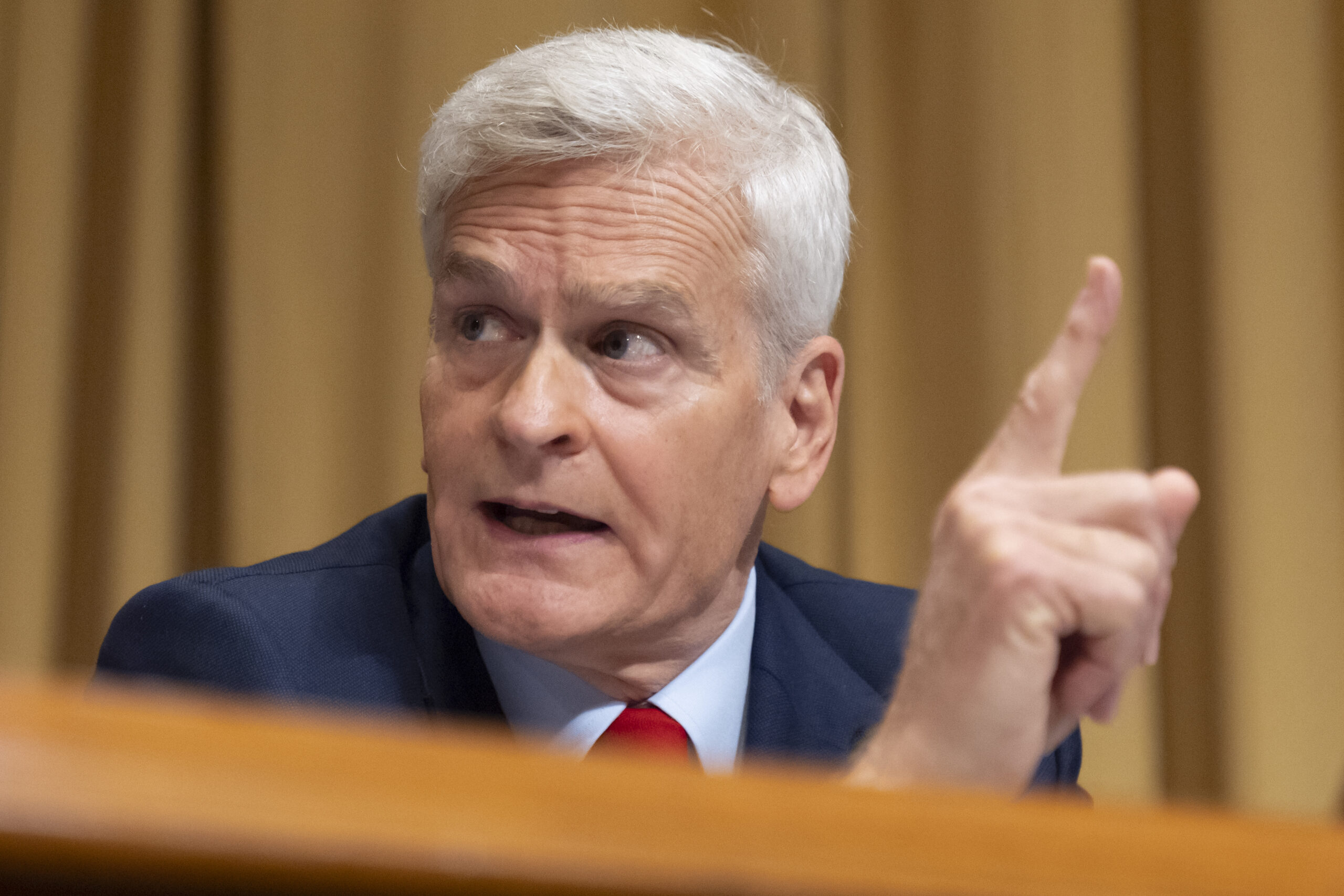
Senate Health Committee Chair Bill Cassidy expressed his discontent with the CDC’s choice to include Siri in the meeting. Cassidy, a physician and Republican senator from Louisiana, stated that inviting someone with an anti-vaccine stance undermines the integrity of public health discussions. He underscored the importance of relying on credible scientific evidence when addressing vaccine safety.
The CDC meeting, scheduled for December 5, 2023, aims to address ongoing vaccine policies and safety measures amid the continuing global health crisis. The inclusion of Siri, who has been vocal in opposing vaccine mandates and promoting alternative views on vaccine safety, raises questions about the agency’s commitment to evidence-based practices.
Critics of the invitation argue that allowing Siri to present could lend undue credibility to views that are not supported by the broader scientific community. Dr. Anthony Fauci, the former director of the National Institute of Allergy and Infectious Diseases, emphasized that public health decisions must be guided by data and not by personal beliefs.
Supporters of Siri’s participation contend that diverse perspectives are crucial for robust public discourse. They argue that engaging with critics can foster a more comprehensive understanding of vaccine-related concerns. This viewpoint, however, faces opposition from many health professionals who caution against legitimizing misinformation.
The controversy surrounding Siri’s invitation is not isolated. It reflects a broader national and international debate about vaccine safety and public health communication. Since the onset of the COVID-19 pandemic, vaccine hesitancy has become a pressing issue, complicating efforts to achieve widespread vaccination.
As the CDC prepares for this critical meeting, the agency faces the challenge of balancing open dialogue with the need to uphold scientific integrity. The outcome of the discussions could influence future vaccine policies and public trust in health recommendations.
In light of these developments, the CDC has yet to comment on the backlash regarding Siri’s invitation. The agency remains focused on its mission to protect public health through sound science and effective communication strategies. As the meeting date approaches, stakeholders across the spectrum will be watching closely to see how the CDC navigates this contentious issue.