A couple deeply connected to the Chicago area has pledged a significant donation of $11 million to Lurie Children’s Hospital. This funding aims to enhance research, treatment, and diagnosis for children affected by rare and genetic disorders. Don and Anne Edwards’ contribution will specifically support the newly named Edwards Family Division of Genetics and Rare Diseases.
Don Edwards, founder and executive chairman of Flexpoint Ford, has a personal stake in this initiative. His family has dealt with genetic disorders, which has motivated his commitment to improving medical outcomes for affected children. In his capacity as a trustee at Lurie, he emphasizes the urgent need for advancements in genetic diagnosis and therapies. “We know how much genetic diagnosis and potential therapies can change the lives of both the child and the entire family,” he stated.
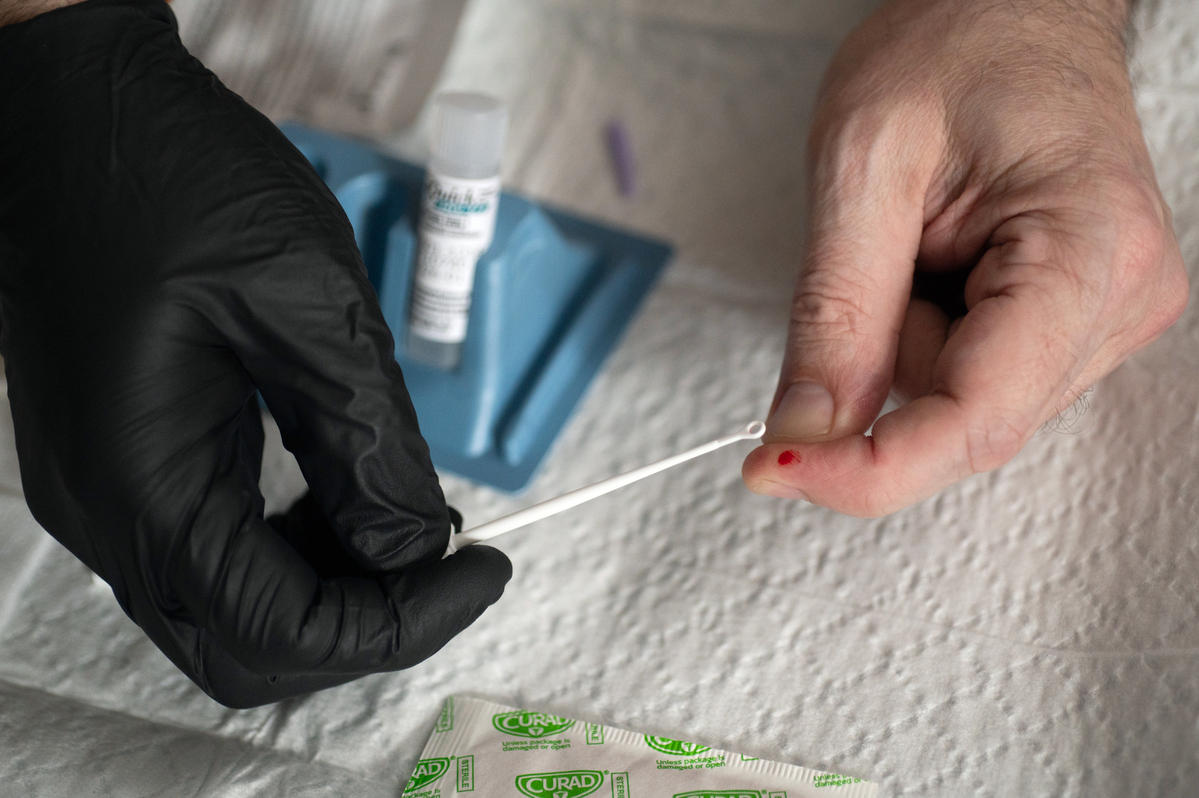
The donation will address a critical shortage in pediatric genetic specialists. Currently, Illinois has approximately one geneticist for every one million residents, according to Lurie Children’s data. This funding will enhance training programs for prospective pediatric geneticists and increase genetic testing capabilities at the hospital. This shift aims to expedite results, allowing for quicker diagnoses.
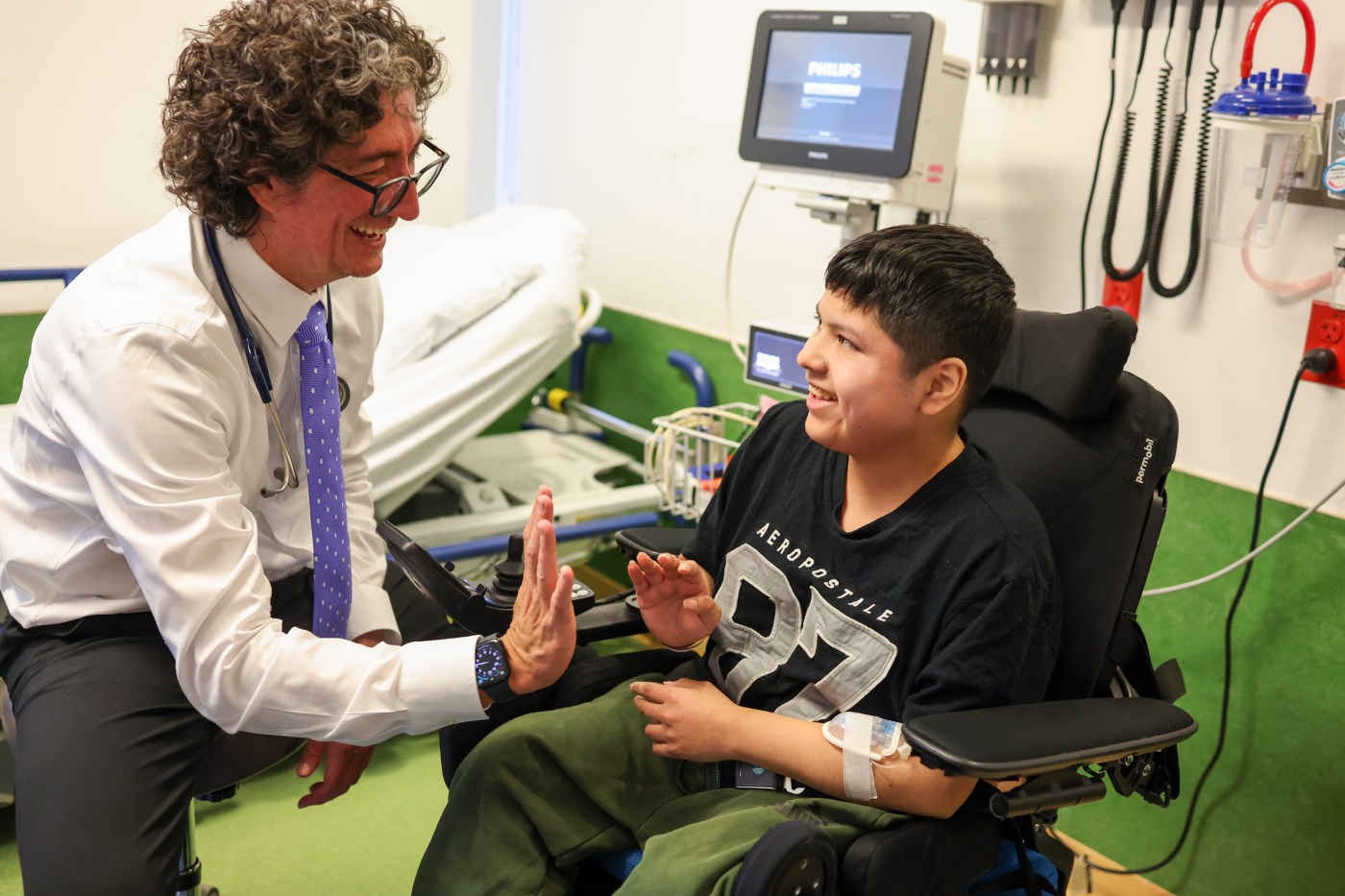
Additionally, the donation will facilitate the expansion of gene therapy and clinical research trials at Lurie over the next three to five years, nearly tripling current efforts. Dr. Carlos Prada, who leads the division, described the gift as “transformational,” noting its potential to lead to more treatments and cures for patients facing rare diseases.
According to the National Human Genome Research Institute, rare diseases impact approximately 25 million to 30 million Americans. In Illinois alone, about 1.5 million residents are affected by rare or unidentified diseases, as reported by the Illinois Rare Disease Commission in 2023. The time it takes to diagnose these conditions can be extensive; symptoms such as developmental delays in children often lead to prolonged uncertainty.
Parent Carrie Pinkham from Western Springs expressed her enthusiasm for the donation, highlighting its potential to enhance Lurie’s capabilities in addressing rare genetic disorders. Pinkham’s family has personally navigated a lengthy diagnostic journey for their son, Jack. Initially believed to be suffering delays due to his premature birth, Jack underwent genetic testing at age three, which revealed a rare genetic variance. It wasn’t until he was nine that he was diagnosed with Spinocerebellar Ataxia Recessive Type 15, a rare neurological disorder affecting movement and speech.
For Pinkham, the clarity of Jack’s diagnosis brought immense relief. In 2024, she and her family established the Jack Bear Foundation to raise awareness and fund research for this condition. “This gift, to me, means everything as a Lurie family,” she said. “It means a lot that we might be able to change the trajectory of our son’s life and others that have this condition.”
The Edwards family’s contribution is poised to make a lasting impact, addressing urgent needs in pediatric genetic research and ultimately improving the lives of countless children and families grappling with rare diseases.