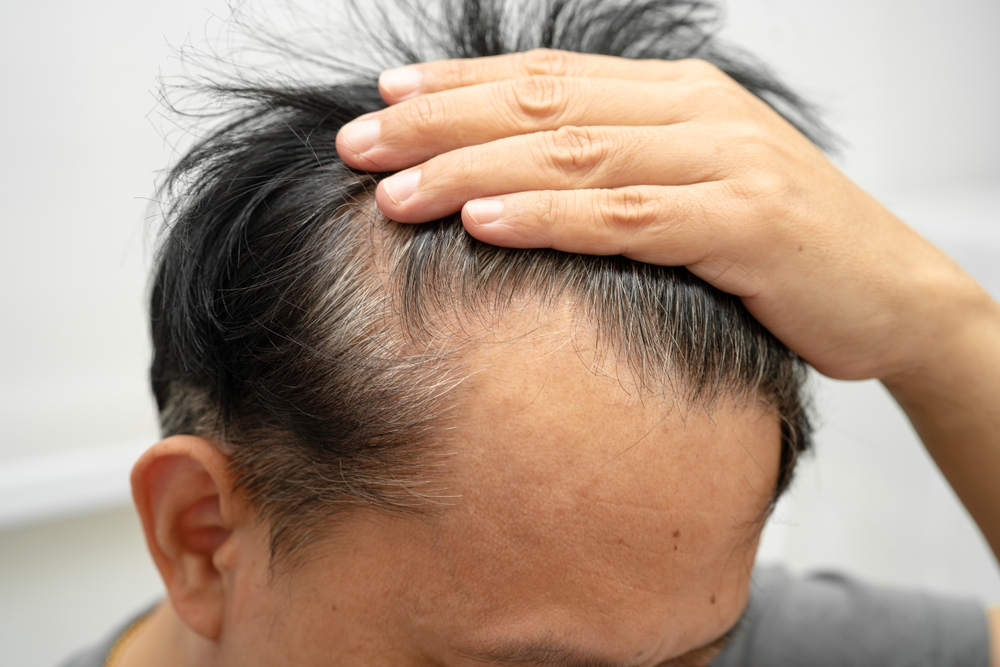
Recent discussions around hair health have gained attention, particularly following comments from Nvidia’s CEO, Jensen Huang. Huang has opted to embrace his gray hair, signaling a shift towards authenticity and acceptance of aging. He instructed his hairstylist not to dye his hair, reflecting a personal choice to present a “natural look appropriate for his age.” While this choice has resonated with many, it also highlights a broader conversation about the health implications of premature gray hair.
In the context of health, early-onset gray hair can be indicative of underlying issues. Traditional Chinese Medicine (TCM) identifies several key factors that may contribute to hair discoloration and loss. TCM posits that the state of one’s hair is deeply intertwined with overall health, particularly through the lens of kidney and blood health.
Understanding Hair Health through TCM
According to TCM, three primary causes of hair damage are identified: kidney deficiency, blood deficiency, and inadequate nourishment.
The first cause, kidney deficiency, is significant in TCM philosophy. The belief is that “the luster of hair is the manifestation of the kidneys.” In this view, the kidneys are not just organs but are central to a person’s energy system, influencing growth, reproduction, and aging. A deficiency in kidney qi, or vital energy, can lead to various hair issues, including thinning, dryness, and premature graying. Other symptoms like lower back pain, memory decline, and frequent nighttime urination may also indicate a deficiency.
The second cause, blood deficiency, underscores the importance of blood supply for hair vitality. TCM states, “Hair is the excess of blood,” suggesting that healthy hair growth requires robust blood circulation. A lack of sufficient blood can dull hair and accelerate the graying process. In essence, inadequate blood flow to hair follicles can be likened to parched soil, which fails to support growth.
Dietary Choices and Scalp Care
To combat these issues, TCM advocates for both dietary therapy and daily scalp massages. A one-minute daily scalp massage can stimulate blood flow and enhance nutrient delivery to hair follicles. This simple practice, combined with a balanced diet rich in essential vitamins and minerals, may help in restoring hair color and improving overall health.
Foods that are beneficial include those high in antioxidants, healthy fats, and proteins, which can nourish hair from the inside out. Nutrients such as iron, zinc, and vitamins A and E play crucial roles in maintaining healthy hair.
As Huang’s decision to embrace his gray hair demonstrates, personal choices regarding hair can also reflect deeper health considerations. By understanding the connections between hair health and overall wellness, individuals may find new ways to address premature aging and enhance their well-being.
In conclusion, the interplay between health and hair is complex, and by exploring TCM principles and incorporating simple practices, one can potentially nourish their hair while also addressing underlying health issues.