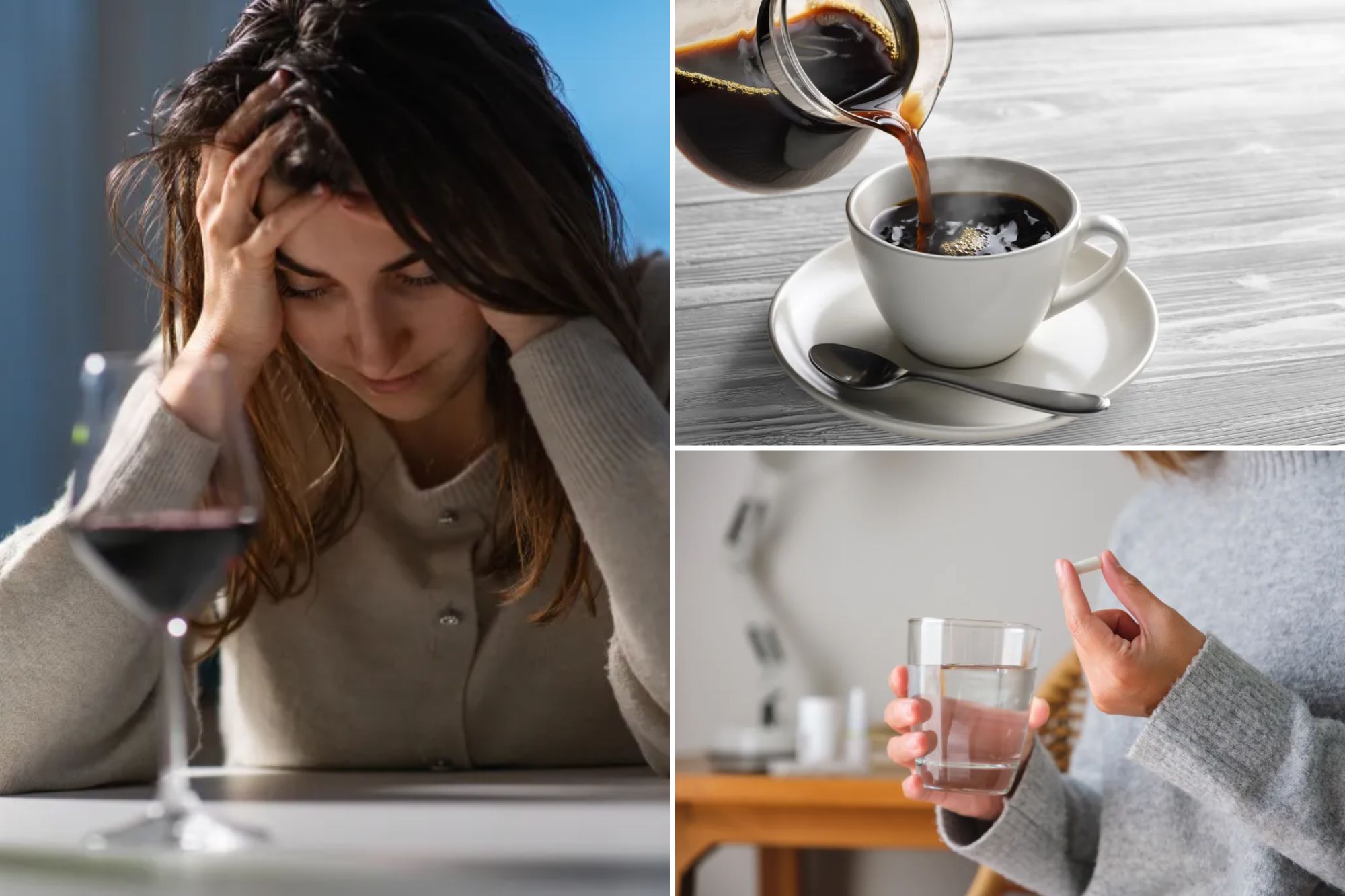
As the holiday season unfolds, many find themselves grappling with the aftermath of festive gatherings, often marked by overindulgence in alcohol. In the quest for relief from hangovers, a plethora of remedies circulate on social media, from greasy breakfasts to the “hair of the dog.” However, experts assert that many widely believed cures fail to address the biological processes behind hangovers.
According to the National Institutes of Health, a hangover occurs as the body responds to harmful byproducts generated during alcohol metabolism. Dr. Hillary Lin, a physician based in New York City, emphasizes that “most hangover ‘cures’ fail because they treat the liver like a sponge rather than a chemical processing plant that it is.” The consensus among health professionals is clear: there are no instant fixes.
Dispelling Common Hangover Myths
Experts have identified five prevalent myths surrounding hangover remedies, providing insights into what actually aids recovery.
1. **‘Hair of the Dog’**
The idea of drinking more alcohol to alleviate a hangover, often referred to as “hair of the dog,” is misguided. Dr. Lin explains that this approach merely postpones the hangover experience. While it may dull symptoms temporarily, it ultimately burdens the liver further. Alexa Ryan, a neurotherapist and clinical dietitian nutritionist from California, states, “It doesn’t address the underlying dehydration, inflammation, or toxic alcohol byproducts.” Additionally, Ian Anderson, co-founder of the mindfulness drinking app Sunnyside, warns that combining alcohol with substances like cannabis can exacerbate cognitive issues.
2. **Greasy Breakfasts**
A common belief is that a hearty breakfast can absorb leftover alcohol. However, Dr. Lin points out that by the time one wakes up, the alcohol has already left the stomach. “There is literally nothing left to ‘soak up,’” she says. Instead, experts suggest focusing on foods that may support recovery, such as eggs, bananas, and water-rich fruits, although they caution that evidence for their effectiveness is limited.
3. **Coffee and Lemon Water**
Many individuals reach for coffee or lemon water, hoping to detoxify. However, Ryan clarifies that detoxification does not function in this manner. By the time symptoms appear, alcohol has disrupted sleep and altered bodily functions. “Coffee and lemon juice don’t accelerate alcohol metabolism,” she states. Furthermore, Anderson notes that coffee can hinder rehydration and may worsen hangover symptoms, making water the most effective choice after a night of drinking.
4. **Patches and Supplements**
Not all hangover relief products deliver the promised results. Experts advise caution, as many supplements act too late to be truly effective. Dr. Lin highlights the potential of emerging probiotics designed to break down acetaldehyde in the gut before it enters the bloodstream. For immediate relief, she recommends consuming a high-quality electrolyte mix before bedtime.
5. **Sweat It Out**
Some believe that exercising can help eliminate alcohol from the system. However, Ryan asserts that alcohol is metabolized at a consistent rate by the liver, making exercise ineffective for expediting this process. “Exercising while hungover can worsen dehydration and increase dizziness,” she cautions, suggesting that additional stress on the body can lead to adverse effects.
The Path to Recovery
Despite the myriad claims, experts agree that there is no universal cure for hangovers. The most effective prevention strategy is moderation. The Centers for Disease Control and Prevention defines binge drinking as five or more drinks for men and four for women in a single occasion. Anderson advises alternating alcoholic drinks with water or non-alcoholic options to mitigate the impact of alcohol consumption.
Health authorities also emphasize that no level of alcohol consumption is entirely safe, as even low amounts can increase cancer risk. When hangovers do occur, recovery relies on rest, hydration, and time. Ryan reiterates the importance of prioritizing fluids with electrolytes, eating balanced meals, and allowing the liver ample time to detoxify effectively.
In essence, while the holiday season can be a time of indulgence, understanding the realities of hangover recovery can lead to more responsible drinking practices and a better experience during this festive period.