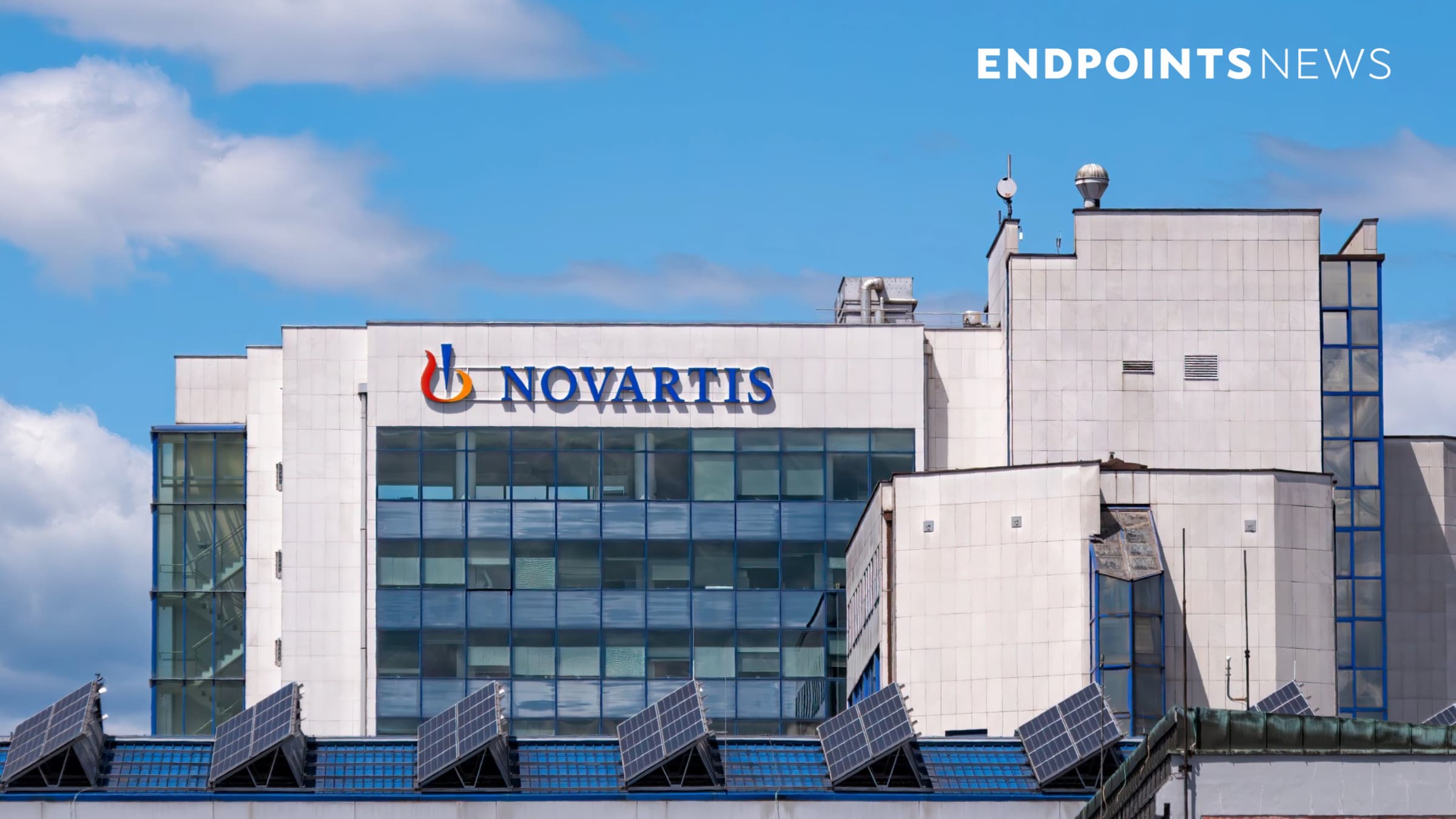
The U.S. Food and Drug Administration (FDA) has granted approval to Novartis for a new formulation of its gene therapy, Itvisma, aimed at treating spinal muscular atrophy (SMA). This approval, announced on September 28, 2023, marks a significant advancement for patients aged 2 and older who suffer from this debilitating condition.
This version of Itvisma is designed as a one-time treatment, offering a potential long-term solution for a disease that leads to muscle weakness and atrophy. The therapy works by delivering a copy of the SMN1 gene, which is essential for the production of a protein that maintains motor neuron health. In patients with SMA, the absence of this gene leads to the deterioration of motor neurons, ultimately resulting in severe physical limitations.
The approval comes after rigorous clinical trials that demonstrated Itvisma’s efficacy and safety. In trials, patients treated with Itvisma showed significant improvements in motor function compared to those who did not receive the therapy. Notably, a substantial percentage of participants achieved milestones such as standing and walking independently, highlighting the potential of this treatment to enhance quality of life.
Implications for Patients and Families
For families affected by SMA, the introduction of Itvisma represents hope and relief. SMA impacts not just the individuals diagnosed but also their families, who often face emotional and financial burdens associated with ongoing care. The approval of this therapy could reduce these burdens by providing a one-time treatment option rather than continuous therapies.
As Novartis prepares to launch Itvisma, discussions regarding pricing and access will be crucial. While specific pricing details have not been released, the company has indicated that they aim to ensure the therapy is accessible to those in need. Given the complexities of healthcare systems across different countries, equitable access to Itvisma will be a key consideration moving forward.
Regulatory authorities in other regions, including the European Medicines Agency, are also expected to examine the data from Novartis to determine approval in their respective jurisdictions. The global nature of this disease necessitates that treatments are made available internationally, allowing for the widest possible impact.
The Future of SMA Treatments
The approval of Itvisma adds to a growing arsenal of therapies for SMA, a condition that has seen rapid advancements in treatment options over the past few years. Since the introduction of the first gene therapy for SMA in 2016, the landscape of care for patients has shifted dramatically, with multiple options now available.
Health professionals are optimistic about what this means for future research and development in the field. The success of gene therapies not only for SMA but also for other genetic disorders may pave the way for innovative treatments that can address previously untreatable conditions.
As Novartis moves forward with Itvisma, the focus will remain firmly on patient outcomes. The company has pledged to continue monitoring the effects of the therapy in the real world, ensuring that it meets the needs of those living with SMA. With ongoing advancements in gene therapy, the future looks promising for patients seeking relief from this challenging condition.