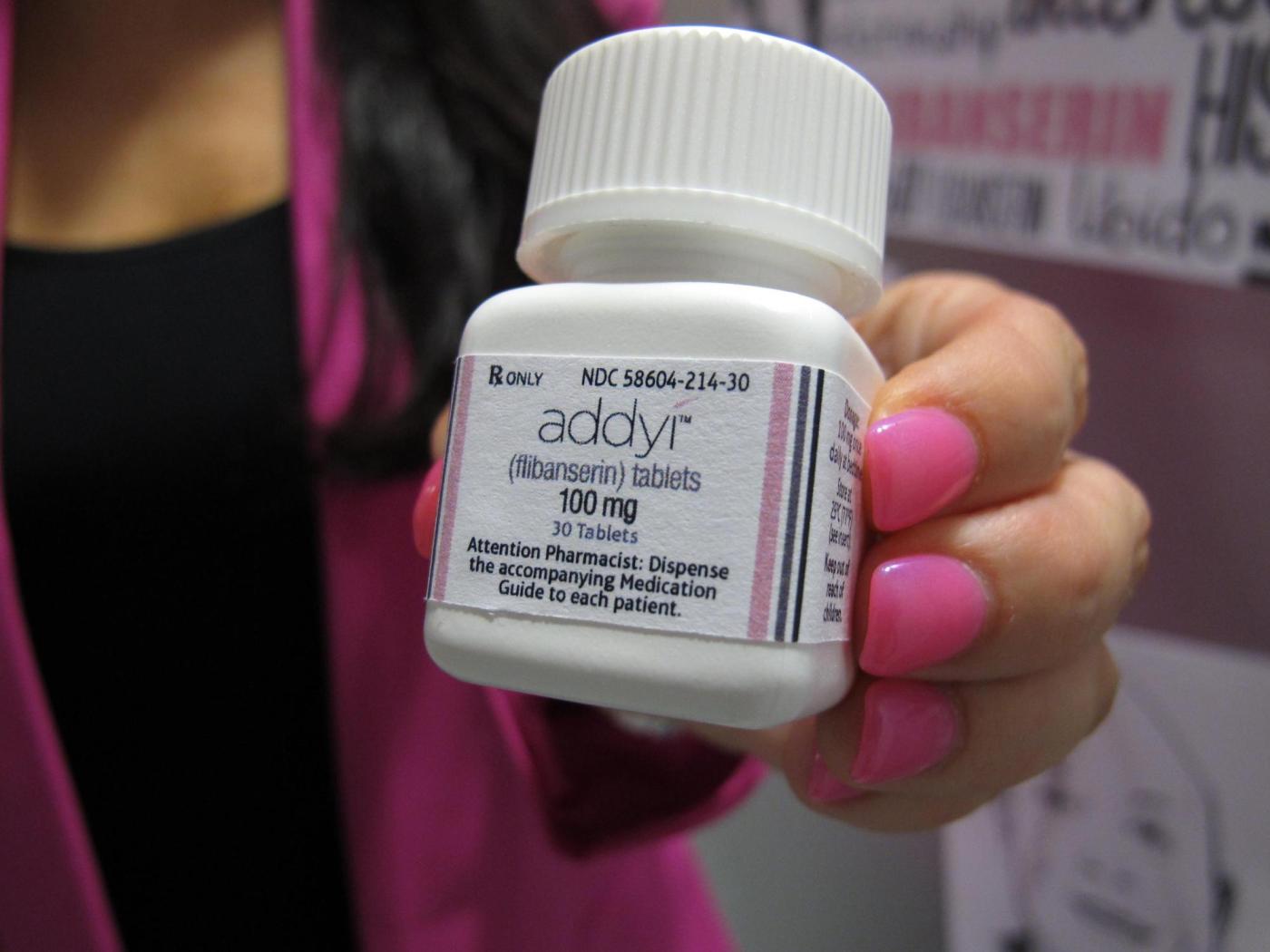
The U.S. Food and Drug Administration (FDA) has expanded the approval of the libido-boosting medication, Addyi, allowing its use for women over the age of 65 who have gone through menopause. This decision, announced on March 4, 2024, marks a significant shift in the drug’s application, which was initially approved in 2015 for premenopausal women experiencing low sexual desire due to emotional stress.
Addyi, produced by Sprout Pharmaceuticals, aims to address hypoactive sexual desire disorder, a condition recognized since the 1990s that affects many women. The drug acts on brain chemicals linked to mood and appetite but has faced scrutiny for its side effects. These include dizziness, nausea, and a serious warning concerning the dangers of combining the medication with alcohol, which can lead to dangerously low blood pressure and fainting.
Background and Market Impact
Despite its initial promise, Addyi’s commercial success has been limited. After its introduction, sales did not meet expectations, partly due to the adverse effects associated with its use. In 2019, the FDA approved a second drug for low female libido—a non-invasive injection that works differently on neurological pathways, highlighting the ongoing challenges in the development of effective treatments for women’s sexual health.
Cindy Eckert, CEO of Sprout Pharmaceuticals, emphasized the importance of this expanded approval. She stated that it reflects “a decade of persistent work with the FDA to fundamentally change how women’s sexual health is understood and prioritized.” The company announced the FDA’s update through a press release, reaffirming its commitment to addressing women’s health issues.
The condition of hypoactive sexual desire disorder is reported to impact a significant number of women in the United States. However, diagnosing this disorder can be complex. Factors influencing libido, especially after menopause, include hormonal changes, relationship dynamics, and mental health issues. Before prescribing medication like Addyi, healthcare providers must consider and rule out these various factors.
Controversies and Perspectives
The path to Addyi’s approval was not without controversy. The FDA initially rejected the drug twice prior to its eventual approval, citing concerns over its modest effectiveness and potential side effects. The approval followed a robust lobbying effort by Sprout and advocacy groups such as Even the Score, which framed the lack of treatment options for women as a matter of women’s rights.
Psychological experts remain divided on the issue of low libido in women. Some argue that it should not be classified as a medical problem, which complicates the conversation surrounding treatments like Addyi. While the FDA’s recent decision opens new doors for older women, it also raises questions about the broader implications for women’s health care and the understanding of female sexual dysfunction.
The FDA’s decision to expand Addyi’s approval is a pivotal moment in the ongoing discourse around women’s sexual health. As access to treatment increases, the focus on the complexities of libido and the factors affecting it will likely continue to evolve.