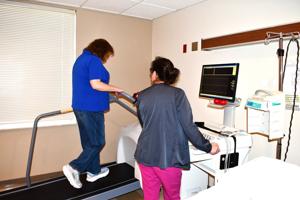
February is designated as American Heart Month, a time to raise awareness about the importance of heart health. Many individuals recognize the need to monitor their cardiovascular well-being, but it often takes a personal experience or concerning symptoms to prompt action. This month serves as a reminder to evaluate and prioritize heart health before issues arise.
The heart, a fist-sized organ, plays a critical role in the body. It pumps blood, delivering oxygen and essential nutrients to cells while removing carbon dioxide and waste products. Understanding how to maintain this vital organ is crucial for overall well-being.
Importance of Heart Health Awareness
The aim of American Heart Month is to encourage individuals to take proactive steps regarding their cardiovascular health. According to the American Heart Association, heart disease remains a leading cause of death globally. In 2021, approximately 17.9 million people died from cardiovascular diseases, highlighting the urgent need for awareness and preventive measures.
During this month, various organizations and health professionals offer tools and resources to help individuals assess their heart health. Simple lifestyle changes, such as maintaining a balanced diet, engaging in regular physical activity, and managing stress, can significantly impact heart health. The American Heart Association suggests that even small modifications can yield substantial benefits.
Tools and Resources for Monitoring Heart Health
Numerous digital platforms and mobile applications are available to help individuals track their heart health. These tools often provide insights into heart rate, blood pressure, and physical activity levels. By monitoring these metrics, individuals can better understand their cardiovascular health and make informed decisions regarding their lifestyle.
In addition to technology, regular check-ups with healthcare providers are essential. Medical professionals can conduct comprehensive assessments, including blood tests and screenings, to identify potential risk factors. Early detection of issues such as high cholesterol or hypertension can lead to more effective management and treatment.
As February progresses, individuals are encouraged to participate in community events focused on heart health. Local health organizations often host workshops, seminars, and fitness activities that promote cardiovascular wellness. Engaging in these events not only raises awareness but fosters a sense of community and support.
In conclusion, as American Heart Month draws attention to cardiovascular health, it is vital for individuals to take actionable steps to protect their hearts. By utilizing available resources, maintaining a healthy lifestyle, and seeking professional guidance, people can significantly improve their heart health and overall quality of life.