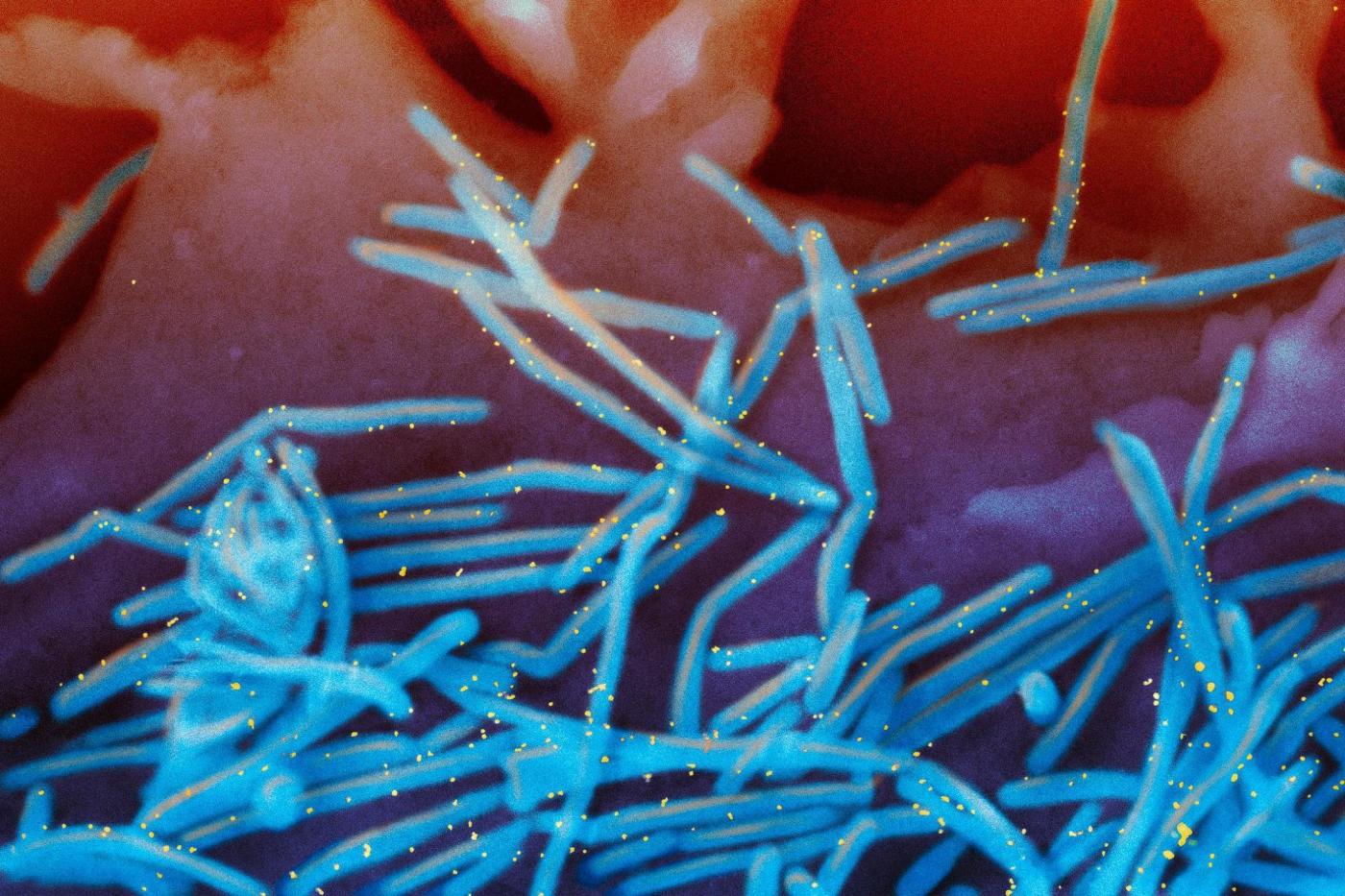
Flu activity remains relatively low across much of the United States, despite a noticeable increase in coughs and sniffles. According to the latest data from the U.S. Centers for Disease Control and Prevention (CDC), as of last week, flu activity was classified as high in four states: Colorado, Louisiana, New Jersey, and New York. In the majority of other regions, flu activity is reported as minimal or low. Although severity indicators are on the rise, officials maintain that the current season is still within the bounds of what is considered “mild.”
Winter often brings a surge in respiratory illnesses, including the flu, colds, and norovirus, a highly contagious virus causing vomiting and diarrhea. Recent trends indicate that norovirus cases have been increasing over the past month, raising concerns among health officials.
Monitoring Flu and RSV Trends
Last year’s flu season was particularly harsh, with hospitalization rates reaching their highest levels since the H1N1 flu pandemic 15 years ago. In total, there were 288 pediatric flu deaths reported, matching figures from the 2009-2010 pandemic. This week, the CDC confirmed the first pediatric flu death of the current season.
Concerns are mounting that this winter might present similar challenges. The A H3N2 virus, known for causing significant hospitalizations and fatalities among older adults, has been the most frequently reported strain so far this season. Alarmingly, 89% of the H3N2 infections analyzed belong to a new variant known as the subclade K variant, which differs from the strain included in this year’s flu vaccines. With flu seasons typically peaking around February, the impact of this vaccine mismatch remains uncertain.
Health experts recommend that everyone aged six months and older receive an annual flu vaccination. Current CDC data indicates that approximately 42% of adults and 41% of children have received their flu shots this season. While the vaccine may not prevent all symptoms, it is expected to help reduce the severity of infections, a conclusion supported by preliminary analyses from the UK.
Respiratory syncytial virus (RSV), another respiratory illness, usually peaks by December or January but has shown signs of starting later this season. Although reported cases of RSV have been low so far, Dr. Cameron Wolfe, an infectious diseases expert at Duke University, suggests that more cases are likely to emerge. Recent CDC updates indicate rising RSV infections in the southern and mid-Atlantic states.
The introduction of new RSV vaccines for pregnant women and older adults, as well as laboratory-made antibody injections for infants, may be contributing to improved vaccination rates. As of October, about 41% of Americans aged 75 and older had received the vaccine, with approximately 40% of infants also reported as protected.
COVID-19 Activity and Vaccination Updates
Currently, COVID-19 activity is relatively low compared to previous peaks. This week, the CDC released findings showing that the COVID-19 vaccine significantly reduces the risk of severe illness in children. For instance, among children aged nine months to four years, the vaccine was found to be 76% effective against symptoms severe enough to necessitate a visit to the hospital or urgent care. For children aged five to 17 years, the effectiveness rate was 56%.
Despite these promising findings, the Trump administration has ceased recommending COVID-19 vaccines for healthy children, a decision met with criticism from various medical organizations. Approximately 7% of children and 15% of adults have received the current season’s COVID-19 vaccine, according to the CDC.
In October, the agency revised its recommendations, leaving vaccination decisions up to individuals. This shift has sparked debates within the medical community over the importance of maintaining robust vaccination guidelines for a virus that has contributed to over 1.2 million deaths in the U.S.
As the winter season progresses, health officials remain vigilant, urging individuals to consider vaccinations for flu and RSV to mitigate the potential impacts of these respiratory illnesses.