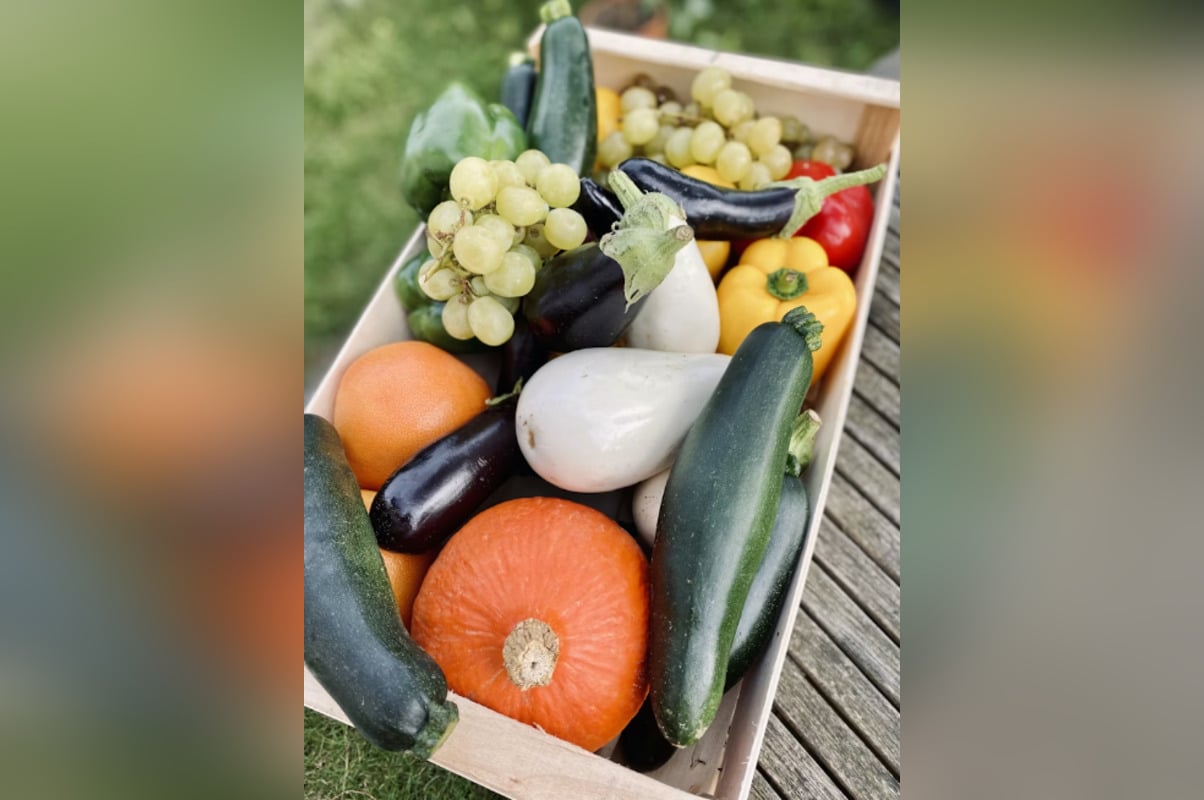
In a pioneering move to address chronic disease, FreshRx Oklahoma is shifting the diabetes care paradigm by directing patients to local farms instead of traditional pharmacies. Founded by Erin Martin, this nonprofit organization operates a yearlong produce-prescription program that provides bi-weekly boxes of locally grown, regenerative produce along with nutrition classes to low-income individuals with type 2 diabetes. This innovative approach not only aims to improve health outcomes but also supports local agriculture, creating a unique synergy that benefits both patients and farmers.
The results from FreshRx’s pilot year are compelling. By the end of the program, 30 out of 40 participants experienced an average reduction of 2.2 percentage points in their A1C levels. As of September 2025, the initiative has reached 135 participants, according to data from the USDA NIFA. The program’s effectiveness is underscored by regular monitoring of health metrics, including A1C, blood pressure, and weight, conducted every three months. This rigorous data collection enhances the credibility of FreshRx’s claims and supports its appeal to health plans and policymakers who seek evidence of the efficacy of “food as medicine.”
Oklahoma Complete Health has highlighted the economic impact of the FreshRx model, stating that every dollar invested yields approximately $1.70 in local economic returns. The Medicaid plan, operated by Centene, is extending this initiative to eligible SoonerSelect members, combining produce deliveries with cooking classes and quarterly health check-ins. Leaders in the health plan industry emphasize the importance of linking positive health outcomes with local purchasing, aiming to create a sustainable model for long-term reimbursement.
How FreshRx Operates
FreshRx’s process begins with clinics screening low-income patients suffering from uncontrolled type 2 diabetes. The nonprofit then takes charge of filling and distributing nutrient-rich produce boxes every two weeks. Alongside the produce, FreshRx offers cooking demonstrations and short nutrition videos to enhance participants’ understanding of healthy eating. The organization prioritizes sourcing from small regenerative farms in Oklahoma and employs local community members for distribution and educational roles. Staff members also assist participants in navigating benefits and arranging delivery, ensuring accessibility for all.
The legislative landscape in Oklahoma is becoming increasingly supportive of this model. The Food Is Medicine Act (SB806), enacted in 2025, empowers the Oklahoma Health Care Authority to seek federal approval for expanded Medicaid nutrition supports while emphasizing the importance of community-based organizations and local growers. Erin Martin recently briefed Robert F. Kennedy Jr., the Health and Human Services Secretary, and Brooke Rollins, the Agriculture Secretary, on how FreshRx integrates regenerative agriculture with diabetes care. Advocates believe that combining real-world data with policy support will determine whether produce prescriptions can transition from niche programs to widespread practices.
Future Engagement and Community Impact
For those interested in learning more about FreshRx and its impact, Erin Martin is scheduled to speak at the Think Regeneration conference on October 20-21, 2026, in Edmond, Oklahoma. The conference aims to unite farmers, clinicians, and policymakers to advance local Food is Medicine initiatives. The event will take place at The Springs in Edmond, and early-bird registration is open until July 31, 2026. Farmers and ranchers can attend at no cost through support from the Organic Crop Improvement Association (OCIA) and USDA, reflecting the program’s foundational farm-to-health approach.
Supporters of FreshRx assert that its combination of clinic-level results and a local procurement strategy creates a compelling business case for directing healthcare funds towards healthy food. As Erin Martin aptly stated, “If we have people with the worst health outcomes, we need to give them the best food possible.” The organization’s ongoing collaboration with health plans will be crucial in determining whether the promising early outcomes translate into sustainable funding, ultimately benefiting both patients and local producers.