Hawaii has taken significant strides in the fight against Alzheimer’s disease with the recent passage of two critical bills during the final moments of the legislative session. House Bill 700/Act 286 mandates that all residents aged 65 and older must receive a cognitive test during their annual Medicare wellness visit. This new law marks a pivotal shift in early detection practices, ensuring that proactive measures are not just encouraged but legally required.
Breakthroughs in Alzheimer’s Detection and Treatment
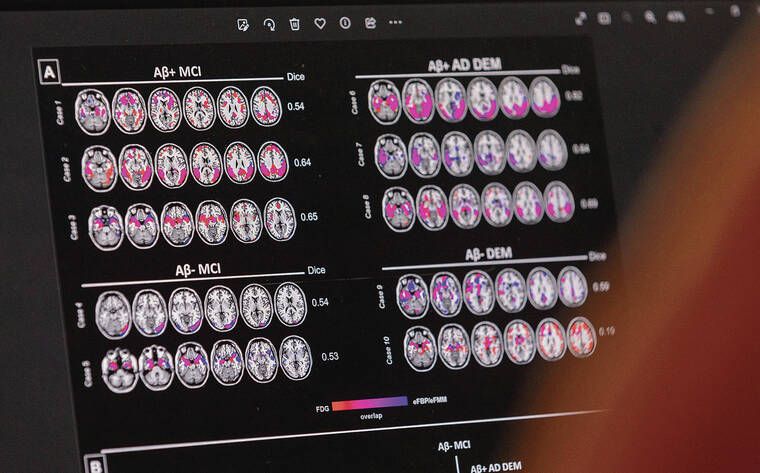
These legislative successes come on the heels of groundbreaking advancements in Alzheimer’s research and treatment. A newly FDA-approved blood test can now detect amyloid plaques—an early indicator of Alzheimer’s—years before clinical symptoms emerge. This innovative test requires only a small vial of blood, eliminating the need for costly PET scans and lengthy waiting periods for results.
In addition to this diagnostic breakthrough, a subcutaneous auto-injector for Leqembi (lecanemab) has recently become available. This marks a significant shift in treatment administration; patients will soon be able to receive this essential medication from the comfort of their homes rather than enduring regular visits to infusion centers. The ability to receive treatment at home not only enhances convenience but also promises to improve the quality of life for those affected by Alzheimer’s.
For families in Hawaii, these developments represent more than mere medical advancements; they are vital lifelines. With the state’s senior population growing at 22%, significantly higher than the national average, the need for accessible and effective Alzheimer’s care is urgent. The geographical challenges of Hawaii, where island distances can complicate care, underscore the importance of these new tools and treatments.
Ensuring Equitable Access to Care
While these innovations offer great promise, their impact depends on equitable access for all residents. If only those who can afford these services benefit, the state risks creating a new form of inequality. It is crucial for insurers, particularly Medicare, to cover the new blood test to ensure that all individuals affected by Alzheimer’s can receive timely and accurate diagnoses.
The strength of Hawaii has always been its sense of ohana, or family, and this should extend to the healthcare system. The recent legislative changes, combined with scientific advancements, create a unique opportunity for Hawaii to lead by example in Alzheimer’s care. The state has the chance to become a model for the nation, demonstrating how culture, compassion, and science can unite to support its elders.
To ensure that Hawaii moves forward effectively, support from officials is essential. U.S. Senator Brian Schatz is being urged to co-sponsor the bipartisan Alzheimer’s Screening and Prevention (ASAP) Act, which would authorize the Department of Health and Human Services to provide Medicare coverage for routine blood-based dementia screening. This legislative measure could serve as a transformative step towards earlier detection and comprehensive care.
Residents are encouraged to discuss the new blood tests and cognitive screenings with their healthcare providers and to advocate for necessary legislative changes. The future of Alzheimer’s care in Hawaii will not only be shaped by scientific advancements and laws but also by community engagement and support.
By working together, Hawaii can translate breakthrough science into real hope for its residents, granting its elders the dignity, time, and connection they deserve. If successful, Hawaii could demonstrate to the world how a small chain of islands can prioritize memory preservation and compassionate care for its aging population.