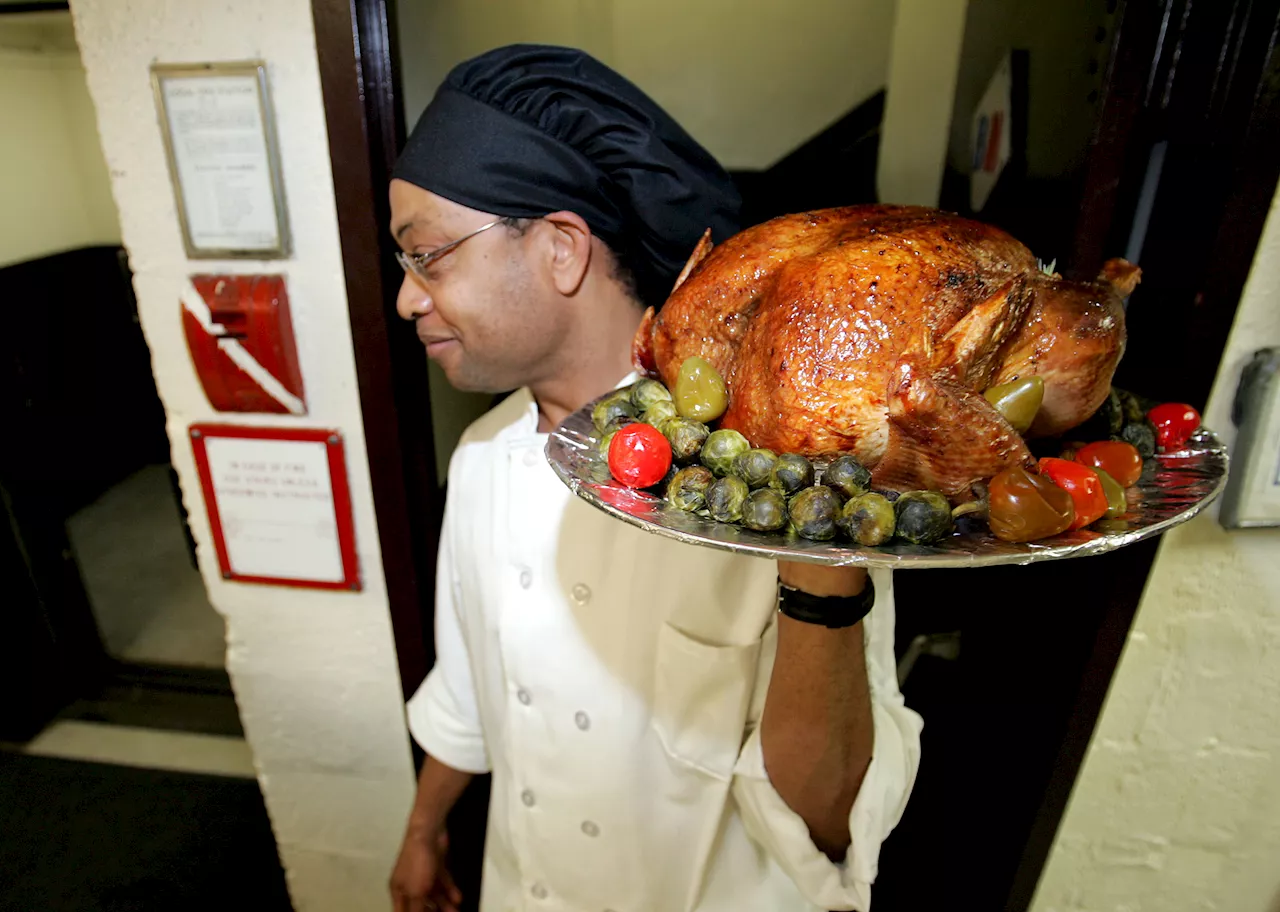
Thanksgiving celebrations often revolve around festive meals, but for those concerned about their heart health, this holiday can present challenges. With traditional dishes frequently high in sodium and fat, making informed dietary choices is crucial. Experts, including registered dietitians and cardiologists, offer practical advice to help individuals enjoy their meals while prioritizing cardiovascular well-being.
Balancing Tradition with Health
Turkey is a staple of Thanksgiving dinners, known for its lean protein content. Jen Messer, a registered dietitian and president of the New Hampshire Academy of Nutrition and Dietetics, highlights the benefits of choosing turkey breast. Its low-fat profile makes it an excellent option for individuals monitoring cholesterol and calorie intake. However, the accompanying side dishes can often detract from the meal’s healthfulness.
To navigate this festive feast, Dr. Ramy Sadek, a board-certified cardiologist at UCR Health in Riverside, California, recommends a balanced plate composition. He advises filling half the plate with vegetables, a quarter with lean protein like turkey, and the remainder with starches. Using a smaller plate and pausing before serving seconds can also promote mindful eating, helping to manage portion sizes and overall caloric intake.
Ingredient swaps can further enhance a heart-healthy Thanksgiving. For example, opting for whole-grain bread for stuffing instead of white bread can lower saturated fat levels. Incorporating olive oil in place of butter is another effective strategy. Additionally, using low-sodium ingredients during meal preparation can significantly help manage sodium intake, which is essential for cardiovascular health.
Mindful Eating and Post-Meal Activities
Contrary to common belief, skipping breakfast to make room for the Thanksgiving meal is not advisable. A light breakfast can help regulate blood sugar levels, contributing to overall health. After the meal, engaging in light physical activity, such as a 10 to 15-minute walk, is beneficial. This practice aids digestion and helps stabilize post-meal blood sugar levels.
Staying hydrated is equally important. Drinking sufficient water can help offset sodium intake from the meal. Individuals should also maintain their prescribed heart medications as directed, as sudden inactivity can pose risks for heart health. When it comes to alcohol consumption during the holiday, moderation is key, as excessive intake can elevate blood pressure.
In addition to heart health discussions, various incidents have recently made headlines. In Cache County, a tragic car accident resulted in two fatalities when a vehicle crossed into oncoming traffic. Furthermore, Danielle Staley, a woman from Holladay, Utah, was found safe after being reported missing for two weeks. These events serve as reminders of the importance of safety and well-being during the holiday season.
As families gather to celebrate Thanksgiving, the focus on heart health can ensure that this cherished occasion is both enjoyable and nurturing. By implementing mindful eating habits and engaging in post-meal activities, individuals can savor the festivities without compromising their cardiovascular health.