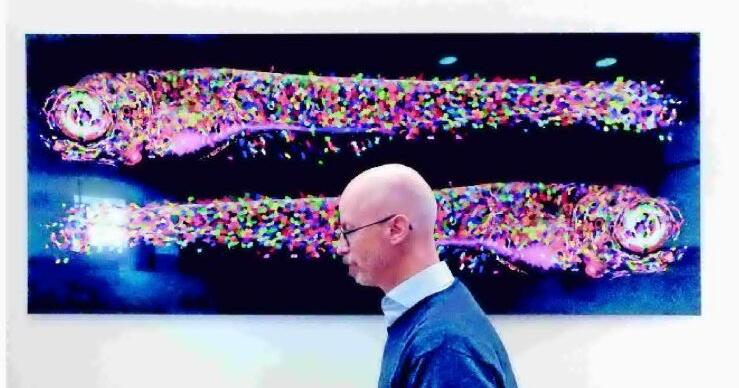
Researchers at the University of Wisconsin-Madison are making significant strides in heart regeneration, aiming to address the growing prevalence of cardiovascular diseases. Led by Dr. Michael S. Miller, the team is exploring a groundbreaking approach to regrow heart tissue using stem cells, which could transform treatment options for patients with heart conditions.
The research, which gained momentum in July 2023, focuses on harnessing the body’s natural healing processes. By utilizing stem cells, the scientists aim to stimulate the regeneration of damaged heart tissue, potentially offering a solution for millions suffering from heart diseases. This innovative method stands in stark contrast to traditional approaches, which often rely on surgical interventions or long-term medication.
Advancements in Regenerative Medicine
The study has attracted attention from major funding bodies, including the National Institutes of Health, which has recognized the potential impact of this research on public health. Cardiovascular diseases are a leading cause of mortality worldwide, accounting for approximately 31% of all deaths, according to the World Health Organization. The urgent need for effective treatments makes this research particularly relevant.
Dr. Miller’s team is focused on creating a detailed understanding of how to manipulate stem cells to mimic the body’s natural heart repair mechanisms. The researchers are optimistic that their findings will lead to new therapies that not only improve heart function but also enhance the overall quality of life for patients.
In preliminary studies, the team has successfully demonstrated that manipulated stem cells can develop into various types of heart tissue, including muscle and blood vessels. This breakthrough could pave the way for future clinical trials, bringing researchers closer to a viable treatment option for heart disease.
Future Implications and Research Goals
The potential for stem cell therapy in heart regeneration is vast, and the implications for healthcare could be transformative. If successful, this research could significantly reduce the need for heart transplants and other invasive procedures, ultimately leading to more accessible and less expensive treatment options.
Continued research will focus on understanding the best methods for integrating these stem cells into existing heart tissue without causing adverse effects. As the project progresses, the team at the University of Wisconsin-Madison plans to collaborate with other institutions and industry partners to expand the scope of their research and explore practical applications.
The commitment to advancing heart health through innovative research highlights the University of Wisconsin-Madison’s role as a leader in the field of regenerative medicine. As studies continue, the hope is to not only regrow damaged hearts but also inspire new avenues of treatment for various organ failures, marking a significant step forward in modern medicine.