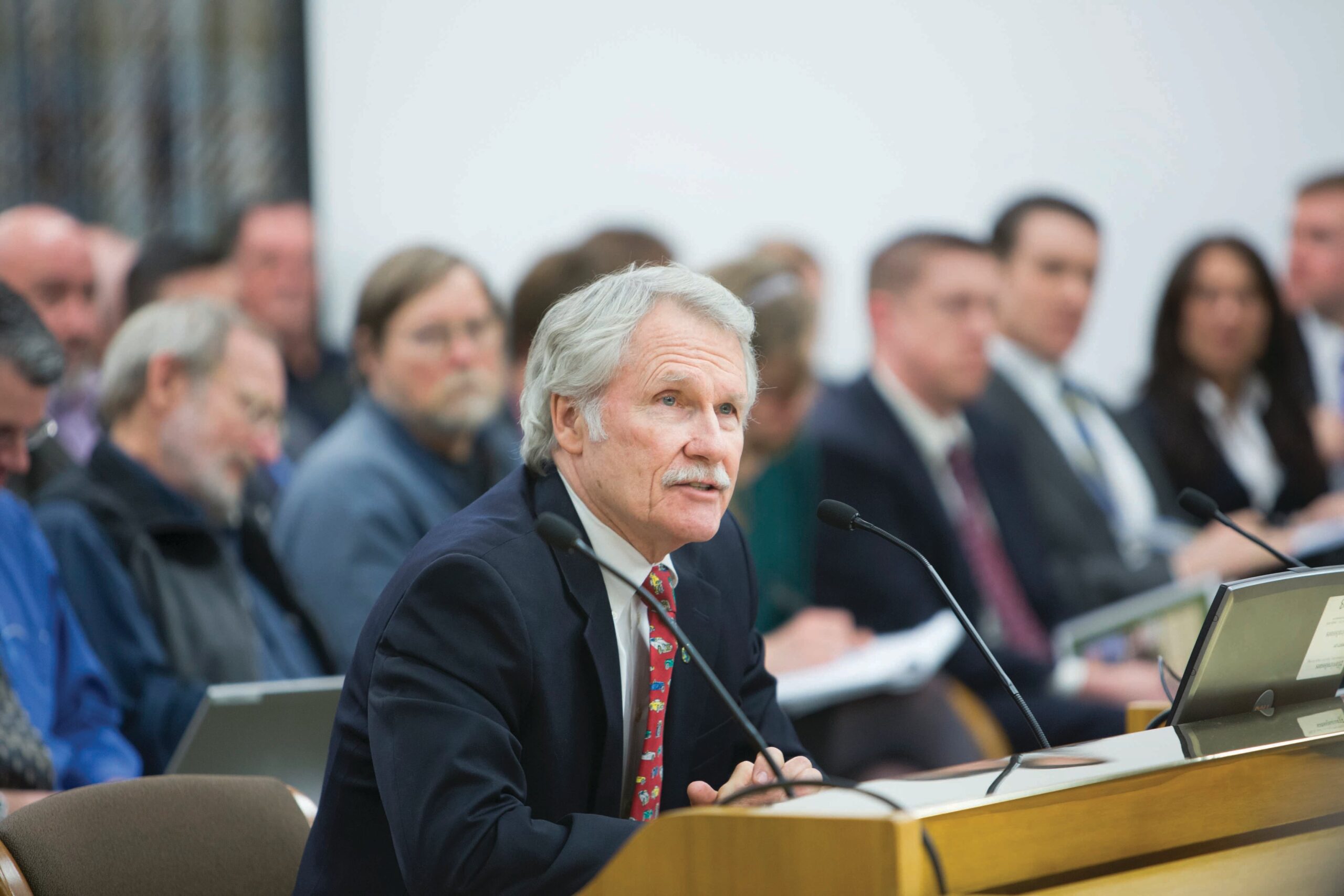
Former Governor John Kitzhaber successfully challenged state lawmakers and the Oregon Health Authority (OHA) regarding proposed changes to the Oregon Health Plan. Earlier this month, Kitzhaber opposed efforts to eliminate the prioritized list, a mechanism that determines which treatments the state will fund. This list is seen as crucial for managing the state’s health care budget. Following his intervention, the controversial bill was halted in committee, a significant victory for Kitzhaber who has been a key figure in Oregon’s health care landscape for three decades.
Kitzhaber’s return to the political arena has sparked a diverse range of opinions among readers. Some commend his pragmatic approach to health care, emphasizing the reality of limited resources. A Reddit user, under the name Verite_Rendition, expressed respect for Kitzhaber’s understanding of health care budgeting, stating, “He gets that we have a finite budget for health care, and that at the end of the day rationing will always happen.” This perspective highlights a belief that Kitzhaber has been instrumental in maintaining the integrity of the Oregon Health Plan over the years.
In contrast, not all responses are supportive. Henry Rearden, commenting on the website wweek.com, criticized Kitzhaber’s legacy, arguing that the Oregon Health Plan has failed to deliver on its promises since its inception in 1989. He pointed to its inability to improve health outcomes or reduce costs, citing the program’s scaling back during the 2002–2003 recession and its reliance on the Affordable Care Act for survival.
The discussion extends to broader issues within the health care system. Karen Kellogg, via Facebook, highlighted the challenges posed by high deductibles associated with the Affordable Care Act. She noted that many families are forgoing necessary medical care due to financial constraints, illustrating a systemic issue that resonates with many.
Concerns about equity within the Oregon Health Plan also emerged. A user known as Diva pointed out that the attempt to remove the prioritized list is tied to discussions about gender-affirming care. This user argued that many enrolled in the state-funded program are undocumented immigrants and emphasized the importance of transparency around the services provided, suggesting that legal scrutiny may follow any attempts to bypass clear definitions of coverage.
While some readers expressed a desire for Kitzhaber to return to the governor’s office, viewing his past scandals as relatively minor compared to current political controversies, others remain skeptical. User Pdxphotoguy84 stated, “I would love for Kitzhaber to run for governor again,” reflecting a belief that his leadership could bring stability to the state’s health care policies.
The conversation surrounding Kitzhaber and the Oregon Health Plan underscores the complexities of health care in the United States, particularly in a state known for its progressive policies. As the OHA moves forward, it faces the challenge of aligning state health care priorities with federal requirements, a task complicated by the diverse opinions of Oregonians.
In summary, Kitzhaber’s advocacy for the prioritized list has reignited conversations about health care access, budgeting, and policy transparency in Oregon. The responses from the public illustrate the varied perspectives on health care reform and the significant challenges that remain.